
Food Wastage and Starvation
Causes, Consequences, and Solutions
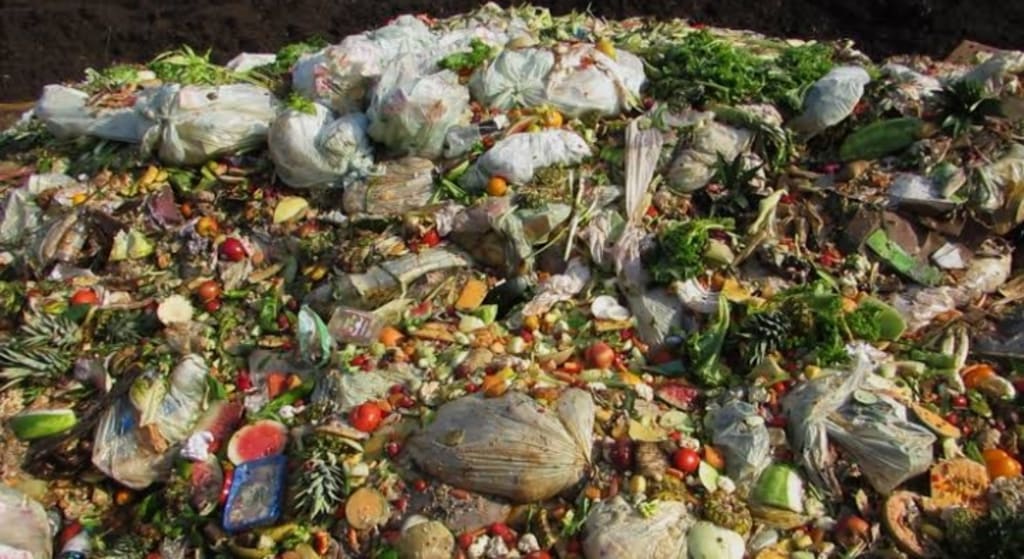
Food is a basic necessity for human survival. It provides the essential nutrients, vitamins, and minerals that our body needs to function properly. However, in today's world, food wastage is a significant issue, even as millions of people worldwide suffer from hunger and starvation. According to the United Nations, approximately one-third of all food produced globally is wasted each year, which is equivalent to 1.3 billion tonnes of food. At the same time, over 690 million people worldwide are hungry, with the majority living in developing countries. This article explores the issues of food wastage and starvation, their causes, consequences, and possible solutions.
Causes of Food Wastage
The issue of food wastage is complex and multi-faceted. In developed countries, food waste is mainly due to excessive consumption, overproduction, and consumer behavior. For example, people in developed countries often buy more food than they need, leading to food waste. Additionally, food retailers and restaurants often overproduce or discard edible food due to cosmetic imperfections, expiration dates, or overproduction.
In contrast, in developing countries, food waste is due to a lack of proper storage, transportation, and inadequate infrastructure. For example, inadequate cold storage facilities and transport systems lead to spoilage and food waste. Furthermore, farmers in developing countries often face challenges in selling their produce due to a lack of market access and low prices. As a result, they may have to discard their crops, leading to food wastage.
Another significant cause of food wastage is the lack of awareness about the issue. Many people do not realize the extent of food wastage and the impact it has on the environment, economy, and society. Therefore, there is a need for greater public awareness and education about food wastage.
Consequences of Food Wastage
Food wastage is not only a moral issue, but it also has significant economic and environmental consequences. Food waste costs the global economy around $1 trillion each year. Additionally, wasted food emits harmful greenhouse gases, such as methane, which contribute to climate change. It also wastes precious natural resources, such as water, land, and energy, that are used to produce, transport, and package the food.
Moreover, food wastage has social consequences, particularly in developing countries. For example, when food is wasted, it could have been used to feed people who are hungry. Hunger is a critical issue that affects millions of people worldwide. Hunger is not just about the lack of food, but it also leads to malnutrition and poor health outcomes. Starvation is a major cause of death in developing countries, particularly among children. Moreover, starvation has significant economic and social consequences, as it hinders people's ability to work and earn a living.
Solutions to Food Wastage
Addressing the issue of food wastage requires a comprehensive and multi-faceted approach. Here are some possible solutions:
Reduce food waste at the source: One of the most effective ways to reduce food waste is to prevent it at the source. This can be achieved by reducing overproduction, improving storage and transport facilities, and educating consumers about the impact of food wastage.
Improve food distribution: Another way to reduce food wastage is to improve the distribution of food. This can be achieved by developing better market access and logistics systems, reducing food loss during transportation, and supporting small-scale farmers and producers.
Promote food recovery: When food waste cannot be prevented, it can be recovered and used for other purposes. This can be achieved through food donation programs, food banks, and composting programs.
Implement government policies: Governments can play a crucial role in addressing food wastage by implementing policies such as food waste reduction targets, tax incentives, and regulations on food labeling.
About the Creator
Keep reading
More stories from writers in Education and other communities.
How Japan Saved Its Biggest City from Collapse
400 years ago, modern-day Tokyo was known as Edo, and it was already one of the biggest cities in the world, with a population approaching 1 million. However, it was on the verge of ecological collapse. Years of intense logging had led to massive deforestation. The city now faced timber shortages and the impacts of severe erosion and frequent flooding that threatened food supplies. But over just a few decades, Edo will transform and become one of the most sustainable and efficient cities in history.
By Munesh Yadav2 days ago in Education
Understanding Laravel Helper Functions and Their Use Cases
Laravel is widely appreciated for its clean syntax, expressive structure, and developer-friendly ecosystem. One of the most underrated yet powerful features of the framework is its built-in helper functions. These helpers simplify common tasks, reduce boilerplate code, and improve overall development speed. If you’re working with Laravel regularly, understanding helpers in Laravel can significantly improve how efficiently you write and maintain code, especially when building modern applications such as dashboards, SaaS platforms, or integrations with tools like the Best AI Video Ads Tools for marketing automation.
By Lennox Gray2 days ago in Education



Comments
There are no comments for this story
Be the first to respond and start the conversation.