
Food Technology Research In Larissa, Greece: A Land Of Rich History And Agricultural Innovation
Food Technology Research
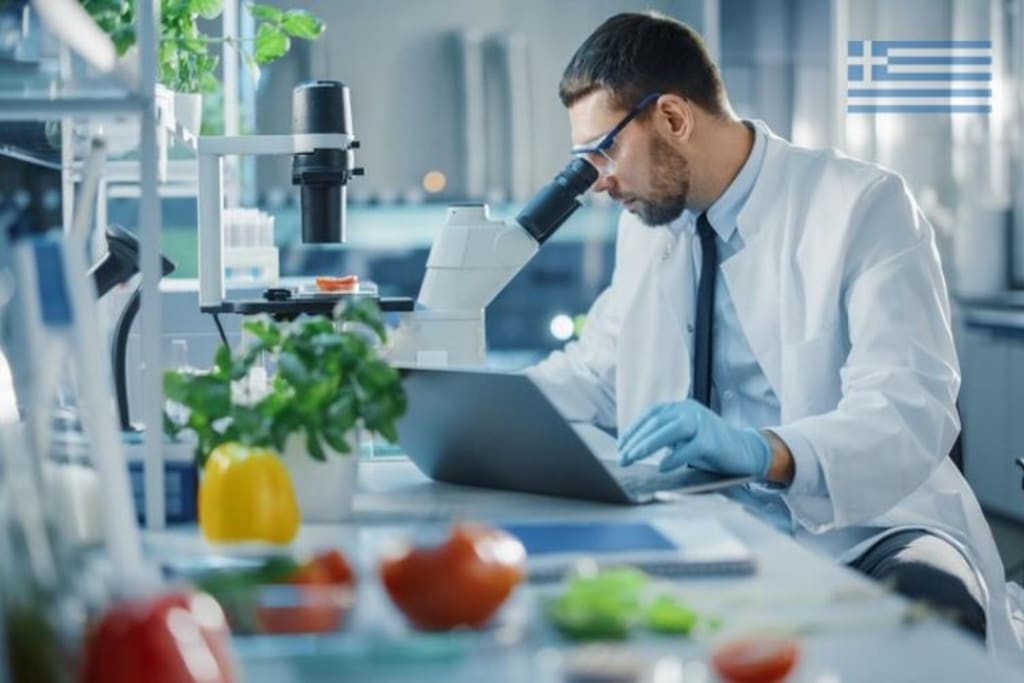
Nestled in the heart of Greece's Thessaly region, Larissa is a historic city that offers a unique environment for food technology research. Its lush plains, which were left behind by the ancient Peneus River, have long been the birthplace of abundant agriculture. Presently, Larissa finds itself at the nexus of innovation and tradition, providing an ideal environment for investigating sustainable methods of food production, processing, and preservation.
A Food Production Legacy:
The agricultural history of Larissa dates back thousands of years. Ancient Greeks referred to Thessaly's lush plains as the "breadbasket of Hellas," and the city itself served as a hub for trade in agricultural goods. The locals have a great deal of regard for the land and its resources because of this long history of food production.
Contemporary Difficulties and Possibilities:
As the world's population rises and the climate changes, securing a safe and sustainable food supply is becoming increasingly difficult. Larissa's agricultural foundation and expanding research facilities put it in a good position to use food technology research to address these issues. Here are some crucial areas of attention:
Precision Agriculture: Studies into precision agriculture methods can greatly increase resource efficiency and sustainability. Examples of these methods include applying sensors and data analytics to maximize crop yields, water use, and fertilizer use.
Minimally Processed Foods: There is a growing consumer demand for wholesome, fresh foods with little processing. Research on cutting-edge processing methods, like pulsed electric field processing and high-pressure processing, can help keep food items fresh and nutritious while reducing spoiling.
Valorization of Byproducts: As byproducts, a large amount of agricultural produce is discarded. The development of technologies that can transform these leftovers into useful ingredients or biofuels can help to decrease waste and encourage a more circular food system.
Food Safety and Traceability: Customer confidence depends on ensuring food safety and traceability at every stage of the supply chain. Food may be tracked from farm to fork with the aid of blockchain technology and sensor-based monitoring systems, increasing transparency and lowering the possibility of contamination.
The Benefits of Larissa for Research on Food Technology:
Robust Agricultural Foundation: Larissa's closeness to lush farmland offers an ample supply of raw materials for scientific endeavors.
Expanding Research Infrastructure: The city is home to a number of research institutes and universities with backgrounds in engineering, agriculture, and food science. This encourages creativity and provides a collaborative environment for researchers.
Government Support: The Greek government is funding programs to encourage innovation in the agriculture industry because it understands the value of food technology research.
Entrepreneurial Spirit: A number of small businesses concentrating on creating cutting-edge food technology are part of Larissa's expanding startup ecosystem. Research and development can now take place in a dynamic setting.
Recovery of Lycopene from Tomato Juice Waste
The recovery of lycopene from tomato juice waste to produce value-added products is another significant project. This research is conducted in collaboration with the Food and Drinks Safety and Hygiene Laboratory and Iliogennima-Rahmani Alexandra. The aim is to reduce food waste and create new products with high nutritional value.
Optimization of Production Conditions
The optimization of existing production conditions to acquire the knowledge needed to produce dried whey is another ongoing project. This study is conducted in collaboration with the Food and Drinks Safety and Hygiene Laboratory and Hipirotikes Proteins S.A. The objective is to improve the efficiency and quality of dairy product production.
Impact of Antifungal Agents on Cheese Characteristics
Research on the impact of known and novel antifungal agents on the characteristics of Cretan Gruyere cheese is also underway. This project involves the Food and Drinks Safety and Hygiene Laboratory and Tirokomiki Amariou S.A. The goal is to enhance the quality and safety of cheese products.
Design of a Mechanical System for Nanoparticle Preparation
The design, construction, and testing of a mechanical system, electronically controlled, for the preparation of biologically interesting nanoparticles is another significant project. This research is conducted in collaboration with various industry partners and aims to develop innovative food products with enhanced nutritional value.
Digitalisation in Agro-Food Firms
Digitalisation has become a crucial aspect of the agro-food industry in Greece. A study by Evgenia Anastasiou and colleagues explores the primary tools and digitalisation applications used by agro-food firms in Greece. The findings highlight the importance of digital technologies in enhancing operational efficiency, improving supply chain management, and increasing competitiveness.
key digital tools used by agro-food firms in Larissa
The key digital tools used by agro-food firms in Larissa, Greece, based on the provided search results, are:
Digital platforms and the internet : The search results indicate that the implementation of digital technologies in agro-food firms in Greece remains in an early stage, with firms primarily taking advantage of key digital platforms and the internet.
Cloud-based technologies : The research highlights the use of cloud-based technologies and applications by agro-food firms to enhance operational efficiency, improve supply chain management, and increase competitiveness.
Data analytics and decision support tools : Agro-food firms are leveraging data technologies to support decision-making processes and gain insights that can add value to their agricultural products.
Blockchain and traceability solutions : There is a growing interest in the use of blockchain technology to enhance transparency and traceability in the agri-food supply chain.
Precision farming and smart agriculture tools : The workshop on "Digital Transformation towards a Sustainable Agriculture" highlights the importance of integrating digital solutions, such as precision farming and smart agriculture technologies, to improve the sustainability and efficiency of agricultural practices.
In conclusion:
Greece's Larissa offers a special setting for study on food technology. Because of its strong agricultural roots, expanding research facilities, and innovative attitude, the city is well-positioned to contribute significantly to the creation of novel and sustainable solutions for the world food system. Larissa can develop into a center for food technology research by utilizing its advantages and tackling its future problems, guaranteeing a safe and sustainable food supply for future generations.
Opportunities for Additional Research:
An outline of Larissa's prospects for food technology research is given in this report. The following are some particular areas that need for more investigation:
The effects of global warming on regional agriculture and possible ways to respond.
creating sensor technologies to monitor food safety and quality in real time.
investigating the possibility of using locally produced Greek food items as functional components.
examining consumer preferences for food products that are sourced locally and sustainably.
By using these new opportunities and expanding on its current capabilities, Larissa may further establish itself as a leader in food technology research and make a substantial contribution to a safer and more sustainable global food chain.
About the Creator
Keep reading
More stories from elainpitts and writers in Education and other communities.
Investigating the Chemical Make-Up and Bioactive Ingredients of Classic Cretan Food in Heraklion, Greece: A Food Science Research Study
The extraordinary nutritional richness and potential health benefits of traditional Cretan cuisine have been acknowledged. With a strong foundation in Mediterranean cuisine, the island of Crete in particular is well known for its distinctive culinary customs. The objective of this research was to examine the chemical makeup and bioactive ingredients of authentic Cretan cuisine in Heraklion, Greece. Thirty classic meals were chosen, encompassing a variety of main courses, sweets, and drinks. A variety of analytical methods were used in the investigation, such as nuclear magnetic resonance (NMR) spectroscopy, liquid chromatography-tandem mass spectrometry (LC-MS/MS), and gas chromatography-mass spectrometry (GC-MS).
By elainpitts2 years ago in Education
5 AI Side Hustles You Can Start in 2026 to Make Money Online
Artificial intelligence isn’t just a buzzword—it’s a goldmine for anyone looking to start a side hustle or make extra income online. In 2026, AI tools are more accessible than ever, allowing individuals to automate tasks, create digital products, and provide services that were previously time-consuming or expensive.
By Majus Jasulaitis7 days ago in Education



Comments (1)
Hey, just wanna let you know that this is more suitable to be posted in the 01 community 😊