
Fix Your Finances in Just 2 Hours
Simple, Step-by-Step Plan to Take Control of Your Money, Cut Expenses, and Start Saving Today


How to Improve Your Finances in Just 2 Hours
Managing your personal finances can seem overwhelming, but the truth is, you don’t need to spend weeks or months to start seeing improvement. With just two focused hours, you can take meaningful steps toward financial stability and long-term growth. Here’s how to use those two hours efficiently to transform your financial situation.
---
Hour 1: Organize and Understand Your Financial Situation
1. Gather All Financial Information (20 minutes)
Start by collecting all your financial data: bank statements, credit card balances, loan documents, investment accounts, and pay stubs. Use a spreadsheet or personal finance app (like Mint, YNAB, or Personal Capital) to input the following:
Current income (monthly or biweekly)
Fixed expenses (rent, utilities, subscriptions)
Variable expenses (food, transportation, entertainment)
Debts (credit cards, student loans, mortgages)
Assets (savings, investments, property)
Having everything in one place gives you a clear picture of where you stand.
2. Calculate Net Worth and Cash Flow (15 minutes)
Net worth = Assets - Liabilities.
Cash flow = Income - Expenses.
If your net worth is negative or your cash flow is consistently in the red, don’t panic. The goal is awareness, not perfection. This snapshot helps you set realistic financial goals and identify problem areas.
3. Identify Problem Areas and Spending Leaks (25 minutes)
Look for patterns in your spending. Are you overspending on dining out or subscriptions you forgot about? Are your debt payments eating too much of your income?
Make a list of potential improvements, such as:
Cancel unused subscriptions
Limit takeout to once a week
Automate savings transfers
Small adjustments can lead to big results over time.
---
Hour 2: Take Action and Set a Plan
4. Create or Adjust Your Budget (20 minutes)
Based on what you learned in Hour 1, build a realistic monthly budget. Allocate your income to:
Needs (50%) — rent, groceries, utilities
Wants (30%) — entertainment, hobbies, dining out
Savings & debt repayment (20%)
If your expenses are too high, prioritize cutting from the “wants” category first. Budgeting isn’t about restriction; it’s about control.
5. Automate Your Finances (15 minutes)
Automation is your best friend in personal finance. Set up:
Automatic transfers to savings
Automatic bill payments (to avoid late fees)
Retirement contributions (if offered through work)
This ensures your money is working for you without constant manual oversight.
6. Build or Boost an Emergency Fund (10 minutes)
If you don’t already have one, open a separate high-yield savings account for emergencies. Aim for $500 to start, then work up to 3–6 months of expenses. Transfer a small amount weekly—even $20 adds up over time.
7. Check Your Credit Score and Make a Debt Plan (15 minutes)
Visit a site like Credit Karma or use your bank’s app to check your credit score. Understanding what impacts your credit (payment history, credit utilization, etc.) helps you make better decisions.
If you have debt, consider:
Snowball method: pay smallest debts first for motivation
Avalanche method: pay highest interest debts first to save money
Choose the method that works best for you and stick to it.
---
Final Thoughts
Improving your finances doesn’t have to be complicated or time-consuming. In just two focused hours, you can:
Understand your current financial position
Eliminate wasteful spending
Create a functional, personalized budget
Automate your financial habits
Take meaningful steps toward saving and debt repayment
The key is consistency. Revisit your budget monthly, continue learning, and make small changes as needed. Over time, your financial habits will become second nature, and you'll be on the path toward financial freedom—starting with just two hours today
About the Creator
Money Talks, I Write
Writer. Investor. Observer of money and mindset.
✍️ Money Talks, I Write — because every dollar has a story.
Keep reading
More stories from Money Talks, I Write and writers in Education and other communities.
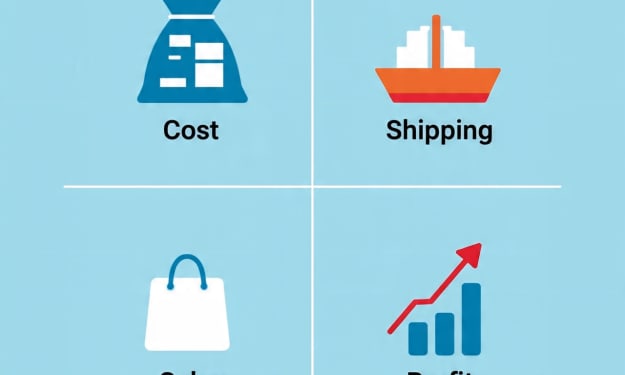
How to Make ₦6 Million a Day with Import and Export
How to Make Millions Daily Through Import and Export (800 Words) Introduction Import and export is one of the oldest and most profitable forms of commerce in the world. By simply moving goods from where they are abundant and cheap to where they are scarce and expensive, you can build a powerful business with daily profits running into millions — even ₦6,000,000 or more. While this sounds ambitious, it's achievable with the right knowledge, capital, and strategy.
By Money Talks, I Write7 months ago in Education
The Rise of Remote Work: Crafting an Application Letter That Opens Doors
A Changing Workplace Work has undergone a dramatic transformation over the past decade. Offices once defined the rhythm of daily life for millions of people. Commutes, cubicles, and conference rooms shaped the professional routine. Today, however, technology has reshaped the way many careers function. The rise of remote work has made it possible for employees to contribute from home offices, shared spaces, and sometimes even different continents.
By CEO A&S Developers5 days ago in Education
The Complete Path to Growth: A Practical Guide to Hospitality Expansion for Ambitious Leaders
Expansion is one of the most effective strategies for hospitality businesses aiming to reach new markets, increase revenue, and strengthen brand visibility. Whether growing through new locations, enhanced services, or improved digital reach, expansion requires careful planning and consistent leadership. Growth-driven hospitality leaders understand that expansion is not just about scaling up but about doing so in a way that protects quality, operational stability, and customer satisfaction. With the right systems in place, hospitality businesses can expand sustainably and build long-term competitive advantages.
By Asad Malik8 days ago in Education


Comments
There are no comments for this story
Be the first to respond and start the conversation.