
First Aid in Case of Burns
Essential measures to take
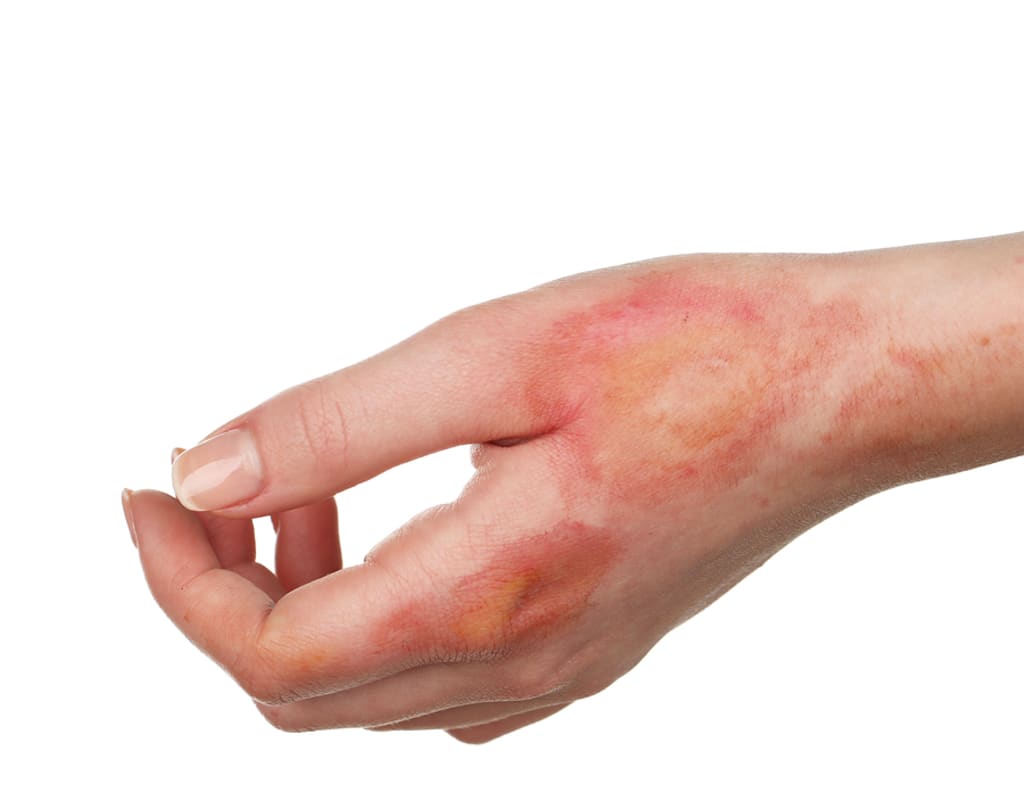
Burns are tissue injuries caused by exposure to thermal, chemical, electrical agents, or radiation, which can affect the skin, mucous membranes, and sometimes deeper structures, with varying degrees of severity depending on the depth and extent of the damage.
Burns are among the most common causes of accidents and represent serious medical, psychological, and social emergencies, with life-threatening potential and risk of disability. They are a significant public health concern, with a major impact on quality of life and functional capacity. Health education plays a crucial role in burn prevention. For these reasons, knowledge of the main first aid procedures should be widespread to minimize the consequences of burn injuries.
First aid is provided at the site of the accident and consists of several steps:
- Removing the victim from the source of the burn and extinguishing flames that have ignited clothing using available means. In general, the victim should not be undressed. Clothing should only be removed if it is soaked with irritating or hot liquids that could worsen the injuries. Jewelry should be removed to prevent circulation obstruction after the burned area swells. If the jewelry is already stuck to the wound or difficult to remove, it should be left to medical personnel.
- Cooling the burn using cold water for 10–15 minutes. This reduces pain and limits the area affected by the burn. The wound should be protected with sterile materials (sterile dressings, clean gauze, or cotton cloth).
- Fluid administration: Oral fluids should only be given if the victim is conscious, has no facial burns, and the burns are superficial.
- In severe burns, assess vital functions (respiration, circulation) and support them if necessary (artificial respiration, cardiac massage; resuscitation is rarely needed except in high-voltage electrical burns).
- If bleeding or fractures are present, provide temporary hemostasis and immobilization.
- Analgesics, oxygen, and crystalloids can be administered when conditions allow (oxygen 100% in case of carbon monoxide poisoning).
- Transport: Wrap the victim in sterile sheets and transport as quickly as possible to the nearest hospital with emergency surgical services for burns covering more than 5% of the body. Do not give food or fluids orally during transport.
Actions to Avoid in Burn Cases
- Do not burst blisters: Blisters protect against infection, reduce pain, and accelerate healing.
- Do not apply ointments, oils, flour, alcohol, etc.: These can promote infection and irritation.
- Do not remove clothing stuck to the wound: This may worsen the injury, cause bleeding, and increase the risk of infection.
- Do not apply ice directly to the burn: Ice can damage already injured nerve endings, causing severe pain and muscle spasms.
Conclusion
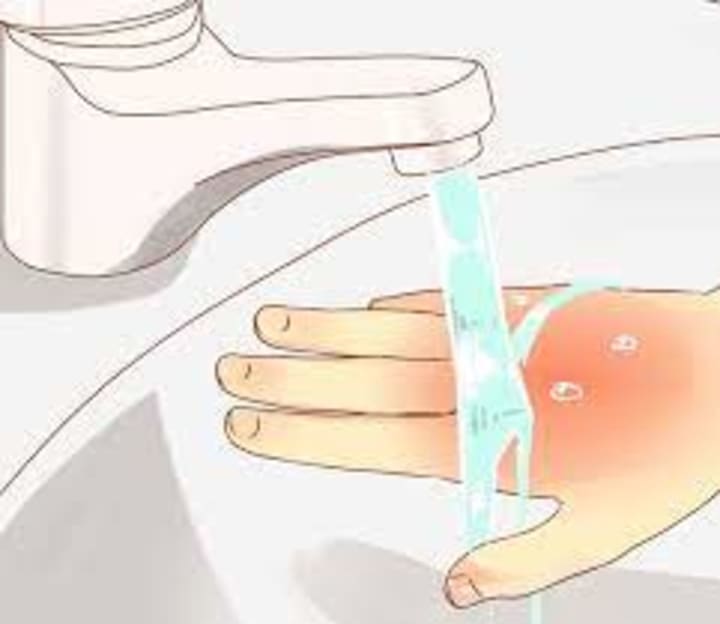
The main goals of first aid in burn cases are to stop the burning process, limit injury, and prevent complications until medical care is provided. It is essential to cool the burn with cold water, protect the wound with sterile materials, and avoid inappropriate substances (ointments, ice, toothpaste, etc.). Fluids should only be given orally if the victim is conscious and has no facial burns, while in severe cases, fluids are administered intravenously in a hospital setting. Correct and rapid intervention can reduce the severity of injuries and save the victim’s life.
Author’s note: This article was originally written in Romanian and published on Medium. It has been translated into English for Vocal publication.
G. A.
References
- BATU Tiberiu, CRĂINICEANU Dorin, Chirurgie plastică, microchirurgie reconstructivă și arsuri, Editura Victor Babeș, Timișoara, 2020.
- BORUNDEL, Corneliu, (sub redacţia), Medicinǎ internǎ pentru cadre medii, Editura. ALL, Bucureşti, 2000.
- DAȘCHIEVICI, Silvian, MIHĂILESCU, Mihai, Chirurgie, Editura Medicală, București, 2020.
- LUNGU, Mihail-Petru, Manual de specialități chirurgicale pentru școlile postliceale și asistenți medicali, Editura All, București, 2019.
About the Creator
Keep reading
More stories from Ganju Alexandra and writers in Education and other communities.
How empathy improves mental, spiritual, and physical Health
The development of a human being is built upon moral values such as love, empathy, tolerance, and gratitude. To maintain genuine connections with others—and to nurture our own growth—empathy plays a central role. Through empathy, we restore and uphold the health of our body, mind, and soul.
By Ganju Alexandra3 months ago in Motivation
The 1793 Chain Cent: America's First Large-Scale Copper Coin
Holding a 1793 Chain Cent is like holding the first argument of a new nation. More than just America’s first mass-produced penny, this coin is a piece of history that sparked public debate, fueled by a design many found utterly wrong. Its story—from a chaotic mint to a collector's dream—explains why it remains one of the most coveted pieces in all of American numismatics. This guide will walk you through its turbulent birth, teach you to spot the tiny detail that can mean a fortune, and explain what truly makes it valuable.
By Laura Bennett2 days ago in Education




Comments (1)
i was always taught to just put a fresh tomato or a blade of alovera on it