
Financial Literacy for Learners
Building Income Skills Early

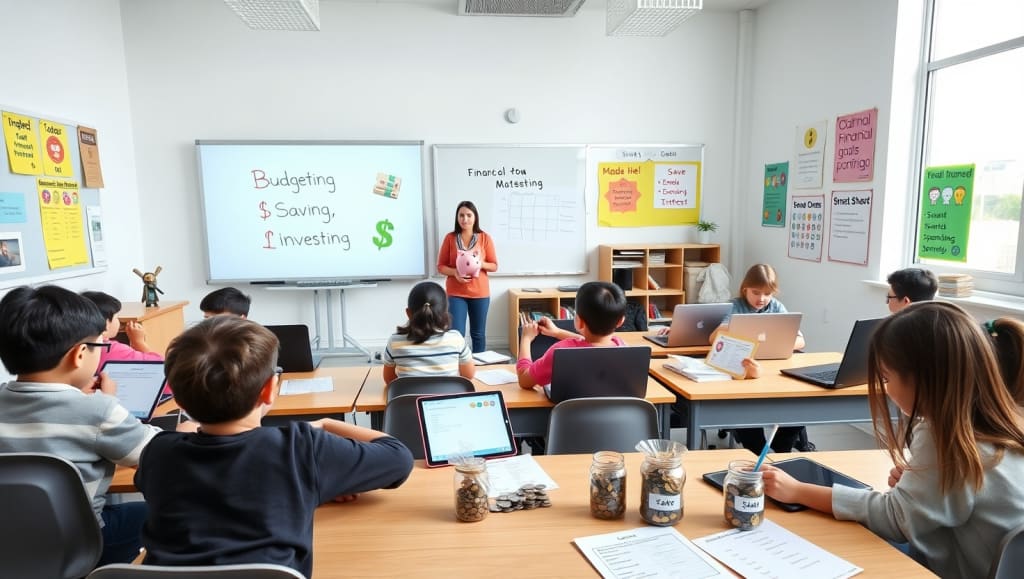
Fifteen-year-old Riha sat at her desk, staring at her empty piggy bank. She had spent all her pocket money on snacks and online shopping, and now she had nothing left to buy a book she had been wanting for weeks.
Sameer, her younger brother, entered the room and observed her annoyance. "What's going on?" He inquired. Riha exhaled. I never seem to have sufficient funds. No matter how much I get, I always end up spending it too fast.”
Sameer grinned. “You should learn how to make money, not just spend it.”
Riha sighed. Earn money? How?”
Sameer shrugged. I've been watching videos on YouTube about young people starting small businesses. Some sell artwork, others tutor students. Even I was able to help Dad's friend with a computer issue last week, which helped me earn money. Riha was surprised. "Have you already begun earning?" Sameer gave a nod. Yes, and I even preserved a portion of it. If you want, I can show you how to manage and grow your money too.”
After giving it some thought, Riha said, "Alright, teach me."
Lesson 1: Understanding Your Spending and Income
Sameer took out a notebook and wrote two words in it: expenses and income. “Income is the money you earn,” he explained. “Expenses are the money you spend. You won't have anything saved if you spend everything. But if you manage it well, you’ll always have enough for the things you need.”
Riha nodded. “So, I need to control my spending.”
Sameer laughed. “Exactly. And if you want to buy extra things, you need more income.”
Lesson 2: Finding Ways to Earn Money
Riha was eager to learn how to make money. Sameer gave her some ideas:
Writing, graphic design, and video editing are examples of freelancing. Tutoring: instructing younger students in her strong areas of expertise. Selling Handmade Crafts: Making art, jewelry, or digital stickers
Photography: Taking photos and selling them on the internet Riha's eyes sparkled. “I love writing! I might be able to begin by writing blogs or stories. Sameer nodded. “That’s a great idea! You can write for websites or even start your own blog. Ads and sponsors help some bloggers make money. Riha was exuberant. She had never thought about earning money through her skills before.
Lesson 3: Smart Budgeting and Saving
She was then introduced to budgeting by Sameer. Let's say your writing earns you $50. What do you do with it?”
Riha gave it some thought. "I would buy that book I want," Sameer shook his head. "That is what you did previously. We'll adhere to the 50-30-20 rule this time. He recorded it: 50 percent for necessities (essentials like school supplies) 30% for wants, such as amusing items like books or treats 20% for savings (keep for future use)
Riha realized she had never saved money before. “This way, I won’t run out of money so fast!” Sameer grinned. “Exactly! Additionally, you can invest if you save.”
Lesson 4: Investing and Growing Money
Riha was interested. “Invest? Isn't that something that only grownups do?” Sameer shook his head. “Nope. Even children can begin small. You can use apps that teach you about stocks and mutual funds or open a savings account. Riha liked the idea of making her money grow instead of just spending it. "Where do I begin?" Sameer suggested, “Save your money in a bank instead of keeping it at home. Some banks even offer interest on savings, which means your money will slowly grow.”
Riha was inspired. To earn money, she made the decision to open a savings account and begin writing online. Riha’s Financial Transformation
Riha followed the lessons over the following few weeks:
She started writing blogs for a website and earned her first $20.
She kept track of her spending and devised a budget.
She saved 20% of her earnings in her new savings account.
She focused on planned purchases rather than impulsive purchases. One day, she had enough saved to buy the book she wanted without running out of money.
She smiled as she held the book. “This feels different,” she said. “I didn’t just spend money—I earned it, managed it, and saved for it.”
She got a proud nod from Sameer. That is financial competence! Now, imagine if you keep doing this for years. By the time you’re in college, you’ll already have money saved up!”
Early on, Riha realized the power of money management. She made the decision to keep learning about investing, budgeting, and financial independence for both herself and others.
Finally
Get started early and make your future secure. The story of Riha demonstrates how early financial literacy can benefit students:
Use their skills to make money
Control your spending and avoid debt
Build savings for a secure future
Today is the best day to get started. Financial success can be achieved through even the smallest actions, such as working on a side project or saving pocket money. What will you start today?
About the Creator
Cotheeka Srijon
A dedicated and passionate writer with a flair for crafting stories that captivate, inspire, and resonate. Bringing a unique voice and perspective to every piece. Follow on latest works. Let’s connect through the magic of words!
Keep reading
More stories from Cotheeka Srijon and writers in Education and other communities.
Getting Rid of Negative Habits for Better Learning
Getting Rid of Negative Habits for Better Learning Aryan, who was thirteen years old, had a look of anger on his face as he stared at his desk. While his history book was open and his homework was unopened, he had not read a word. His phone buzzed every few minutes, tempting him to check messages. When he tried to concentrate, he kept thinking about the most recent video game or the amusing meme his friend had sent earlier. He murmured, "I don't get it." "I sit down to study, but I just can't focus," says the student. As she entered, his mother, who had been observing him from the doorway, gently stroked his shoulder. “Aryan, have you ever thought about the habits that might be stopping you from studying well?”
By Cotheeka Srijon12 months ago in Education
Why the Moon Sometimes Appears Orange
The Moon’s True Color Before diving into atmospheric effects, it’s important to understand the Moon’s actual color. The surface of the Moon is primarily gray, composed of rock and dust called regolith. It reflects sunlight rather than producing its own light.
By shahkar jalal3 days ago in Education




Comments
There are no comments for this story
Be the first to respond and start the conversation.