
Finance Academy – Day 1: Mastering the Basics of Personal Finance
Understand the Five Pillars of Money Management and Build the Foundation for Financial Freedom


Finance Academy – Day 1: Introduction to Personal Finance
Welcome to Day 1 of the Finance Academy series. Whether you want to improve your budgeting skills, understand investing, or work toward financial independence, this series will build your knowledge one manageable lesson at a time. Today, we begin with the basics: What is personal finance? And why should you care?
What is Personal Finance?
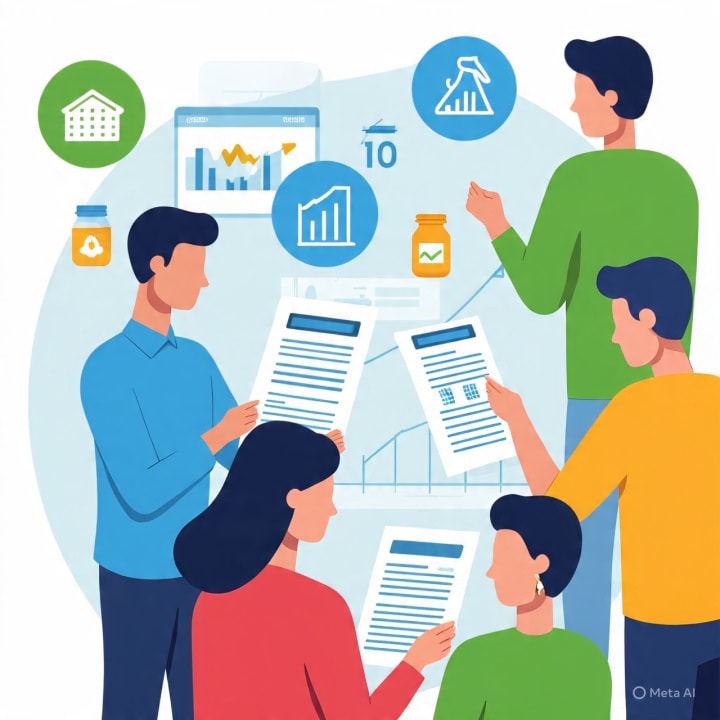
Personal finance refers to how you manage your money as an individual or household. It includes budgeting, saving, investing, debt management, insurance, and retirement planning. The goal of personal finance is simple: to make your money work for you, not against you.
When you manage your finances well, you gain:
Financial security
Peace of mind
More choices and freedom
A safety net for unexpected expenses
Poor financial management, on the other hand, leads to stress, limited options, and potentially long-term hardship.
The Five Pillars of Personal Finance
Let’s explore the core areas that personal finance covers:
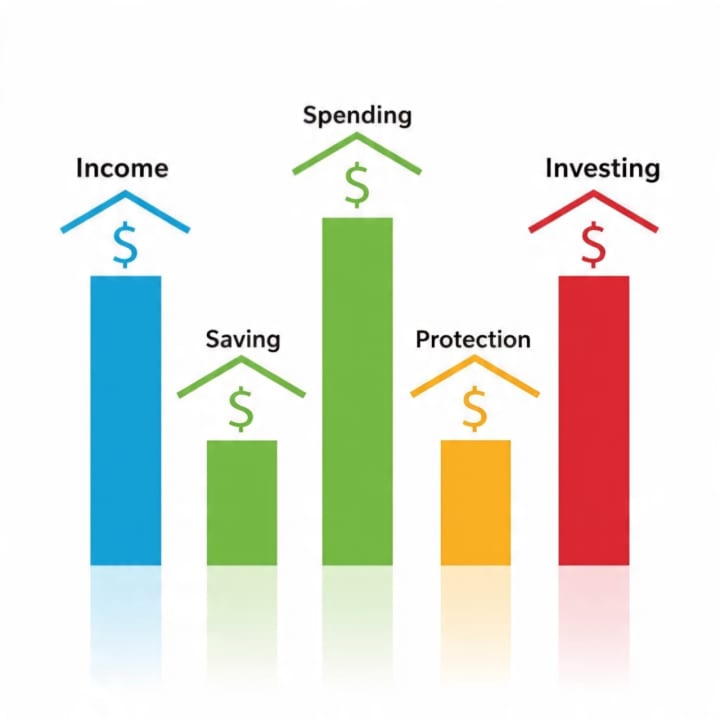
Income
Your income is the foundation of your finances. This includes your salary, business earnings, side hustle money, dividends, interest, and any other cash inflows.
Managing your income means understanding how much you bring in and how it aligns with your lifestyle and goals.
Spending
This includes every dollar that leaves your wallet or bank account: rent, groceries, entertainment, subscriptions, transportation, etc.
The key to success is spending less than you earn—consistently.
Saving
Saving is about setting aside money for short-term goals (like vacations or emergency funds) and long-term goals (like buying a home).
A good rule of thumb is to save at least 20% of your income, especially when you're starting out.
Investing
Investing involves putting your money into assets like stocks, bonds, or real estate, with the goal of growing your wealth over time.
Investing allows your money to work for you, thanks to the power of compound interest.
Protection
Insurance (health, life, auto, etc.), estate planning, and risk management fall into this category.
These tools protect your finances against unexpected events like illness, accidents, or death.
Budgeting: The First Habit of Financial Success
A budget is simply a plan for how you will spend and save your money. Think of it like a roadmap for your monthly cash flow.
A popular and effective method is the 50/30/20 rule:

50% of your income goes to needs (rent, food, utilities)
30% to wants (dining out, hobbies, subscriptions)
20% to savings and debt repayment
This is a great starting point, but your personal budget may vary depending on your goals and lifestyle.
The Importance of Emergency Funds
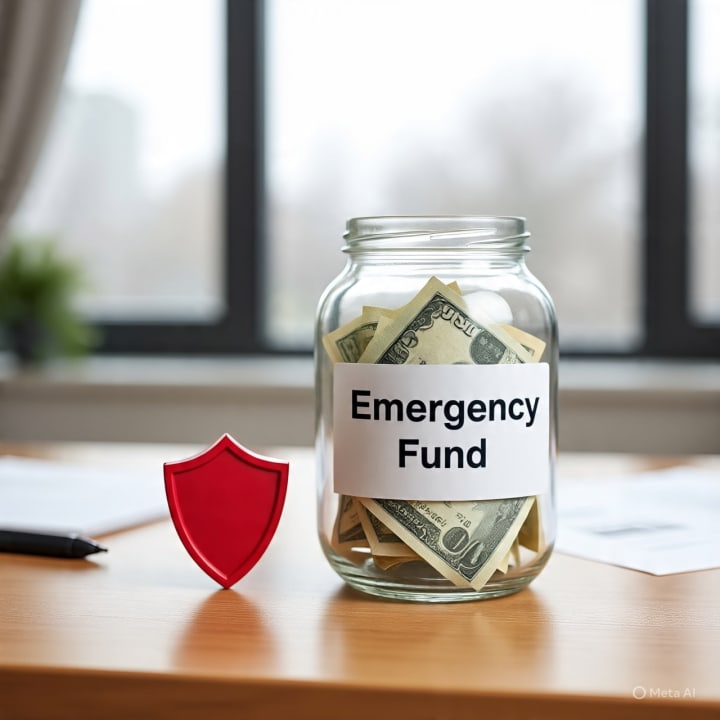
An emergency fund is a savings account used only for true emergencies—like job loss, medical emergencies, or urgent car repairs.
Goal: 3 to 6 months' worth of living expenses
Where to keep it: A high-yield savings account (easy to access, but separate from daily funds)

Having this cushion helps you avoid debt and stay financially stable when life throws you a curveball.
Good vs. Bad Debt
Not all debt is created equal. Understanding the difference is essential.
Good debt helps you build wealth. Examples: student loans (if they lead to higher income), mortgages, or small business loans.
Bad debt is high-interest and often used for depreciating assets. Credit card debt, payday loans, and car loans fall into this category.
If you're currently in debt, don’t panic. We’ll dive into debt repayment strategies (like the Debt Snowball and Avalanche methods) in a future lesson.
Key Takeaways from Day 1
Personal finance is about how you earn, spend, save, invest, and protect your money.
Building good habits starts with awareness and budgeting.
Spend less than you earn—it’s the golden rule.
Set up an emergency fund as your first financial defense.
Understand the difference between good and bad debt.
Your Assignment for Today
Track Your Spending: For the next 7 days, write down every dollar you spend—on paper or with a budgeting app like Mint, YNAB, or EveryDollar.
Calculate Your Monthly Income: Know your after-tax take-home pay.
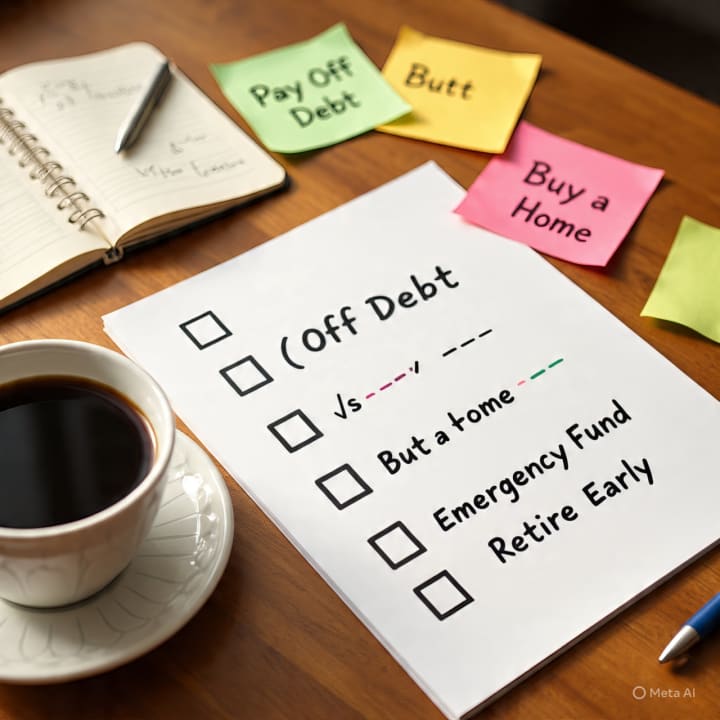
Write Down Your Financial Goals: What do you want to achieve? Pay off debt? Buy a home? Retire early?
What’s Next?
In tomorrow’s lesson (Day 2), we’ll build your budgeting system, explore popular budgeting apps, and help you create a monthly financial plan tailored to your lifestyle.
About the Creator
Keep reading
More stories from MoneyOrbit and writers in Education and other communities.
Top Money Principles Everyone Should Know
Top Money Principles Everyone Should Know Managing money is one of the most essential life skills — yet it’s often overlooked in schools and homes. Whether you're building wealth, paying off debt, or planning for retirement, understanding key financial principles can transform your financial future.
By MoneyOrbit6 months ago in Education
The Energy Pivot The State of Russia’s Oil and Gas in 2026
For decades, this was the "world's gas station": Russia's pipeline network to Europe was the veins of the world economy. By 2026, that aura is dull and those veins are rerouted out of Europe. Since the collapse of the Soviet Union, the Russian oil and gas sector is facing the largest structural change.
By Neeraj kumar3 days ago in Education
What’s the best position to sleep in?
In the 1970s, psychoanalyst Samuel Dunkell proposed a curious, albeit almost completely unsubstantiated, theory that the position you sleep in reflects your personality. For example, preferring to snooze in the so-called royal position indicated self-confidence, while sleeping semi-fetal meant you’re sensible and well adjusted. While Dunkell’s ideas lack any definitive proof, how we sleep can impact our health. So, what’s the best position to sleep in? Sleep positions go by countless creative names—
By Munesh Yadava day ago in Education



Comments
There are no comments for this story
Be the first to respond and start the conversation.