
Fewer Students Are Reporting Race in College Applications After Supreme Court Ruling
Impact of Supreme Court's Affirmative Action Ban: Fewer Students Disclosing Race at Top Colleges
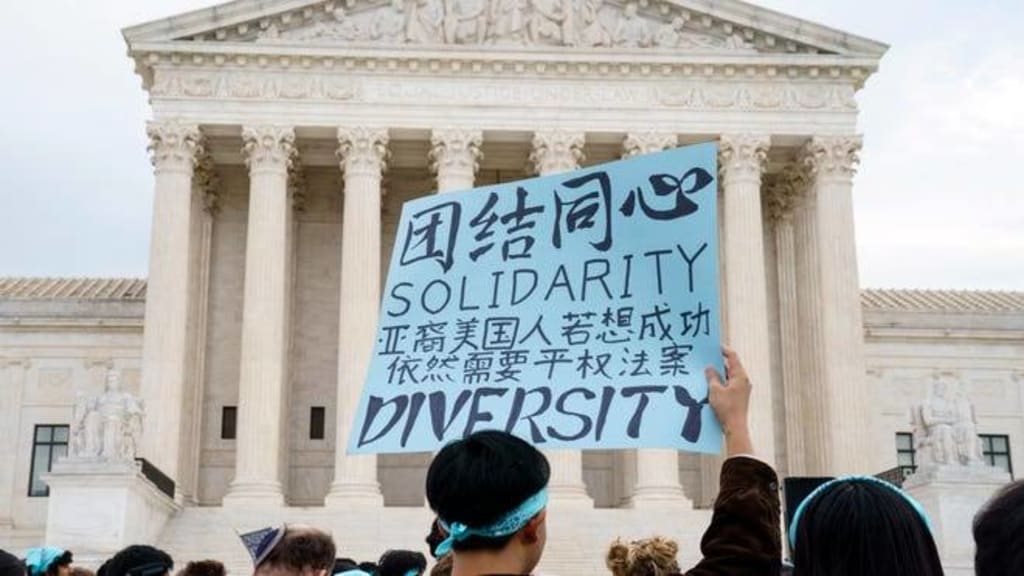
Since the Supreme Court’s ruling last year that effectively banned race-conscious admissions, there’s been a noticeable shift at some of the most selective colleges: fewer students are choosing to disclose their race or ethnicity in their applications. Although this change affects only a small percentage of universities, it has sparked discussions about how the ruling might be shaping college admissions and the racial makeup of incoming classes.
Impact on Selective Colleges
The ruling has had the most noticeable impact on highly selective universities, such as Ivy League schools, which previously considered race as one of many factors in their admissions process. These elite institutions, which include some of the wealthiest and most well-resourced colleges in the country, have now had to adjust their admissions policies. While the majority of colleges in the U.S. were unaffected by the June 2023 ruling, these top-tier schools were among those where race played a role in shaping diverse student bodies.
Since the decision, many people have been closely watching to see how, or if, the racial and ethnic makeup of freshmen classes would change. While the data from different universities is still trickling in, some early trends are starting to emerge.
Fewer Students Disclosing Their Race
One key finding is that at several selective colleges, a larger percentage of students are opting not to disclose their race or ethnicity on their applications. For example, at Pomona College in California, the number of students who didn’t identify their race more than doubled from 3.7% in 2022 and 2023 to 6.9% in 2024. Similar trends were reported at other top institutions like Stanford, Princeton, and Harvard.
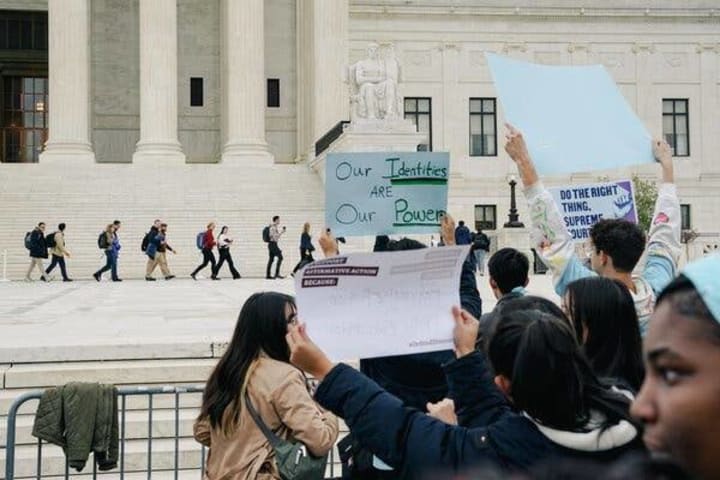
Carson Byrd, a researcher at the University of Michigan who studies race in higher education, believes that this change could be due to confusion over how the Supreme Court’s decision might impact students. He suggests that many students are unsure whether disclosing their race could help or hurt their chances of being admitted, leading some to avoid sharing that information altogether.
Why Colleges Still Ask About Race
Despite the ban on race-conscious admissions, many colleges still ask students to report their race or ethnicity for reasons beyond admissions decisions. Schools often use this data to paint a picture of their campus diversity, which can be an important factor for prospective students who want to feel welcomed and represented.
James Murphy, an expert at the nonprofit group Education Reform Now, explained that colleges often highlight their diverse student bodies to send a message to students of color: "Do I belong here?" These schools want to show that they are inclusive and diverse, even as they grapple with the new legal limits on considering race in admissions.
Changes in Enrollment
In addition to the shift in how students are disclosing (or not disclosing) their race, some selective schools are also seeing changes in the actual enrollment numbers of students from underrepresented groups. For example, Johns Hopkins University, MIT, and Stanford all reported drops in Black and Hispanic student enrollments this fall. However, this trend isn’t universal. Some institutions, like Northwestern University and Yale, saw an increase in the enrollment of these same demographic groups.
The data on these changes is still early, and experts caution against making definitive conclusions. Schools collect and report demographic information in different ways, making it hard to compare data directly from one institution to another.
A Closer Look at Amherst College
At Amherst College, the impact of the Supreme Court ruling has been particularly striking. Black student enrollment has dropped by nearly 75% from its previous two-year average, according to a tracker compiled by Murphy. This has sparked concern among students, including the Black Student Union (BSU), which recently wrote an open letter to alumni urging them to stop donating to the college until the administration takes more action to recruit Black students.
Avery Cook, a junior at Amherst and a member of the BSU, shared her disappointment, saying that the lack of diversity on campus this fall is palpable. As a small liberal arts college, Amherst’s steep decline in Black student enrollment has noticeably altered the campus atmosphere.
Looking Ahead: What’s Next?
Michael Elliott, Amherst’s president, acknowledged the drop in diversity and expressed the college’s commitment to regaining ground in future admissions cycles. He pointed out that many other colleges are facing similar challenges and are still evaluating the results of their first admissions cycle under the new legal standards.
In the past, other states that banned race-conscious admissions, like California, saw similar trends. When California passed Proposition 209 in the 1990s, banning affirmative action, there was an increase in the number of students who didn’t report their race, and many underrepresented students were pushed toward less selective universities. It’s unclear if the same pattern will play out on a larger scale now, but the early data suggests that this year’s drop in student diversity may not be a one-time occurrence.
A Wait-and-See Approach
As colleges and universities navigate the new legal landscape, many are urging caution before jumping to conclusions. John Bravman, president of Bucknell University in Pennsylvania, pointed out that this is only the first admissions cycle since the Supreme Court ruling. “We’re in the early days,” he said, emphasizing the need to watch the data in the coming years before making any sweeping statements about the long-term effects of the decision on diversity in higher education.
For now, the data is raising important questions about how students are approaching their college applications, and how universities are adjusting to the new legal framework. It remains to be seen whether these trends will continue or shift as schools and students adapt to a new era of race-blind admissions.
About the Creator
Rising Graduation Rates Show the Power of Student Support
Education shapes the future of every community. In recent years, schools across the United States have reported rising graduation rates, and this progress tells a powerful story. More students are completing high school and moving toward new opportunities. As a result, educators, families, and community leaders see clear proof that focused support and better teaching methods make a real difference.
By Tom Walter Wake Forest3 days ago in Education



Comments
There are no comments for this story
Be the first to respond and start the conversation.