
Garland County Schools Declared Unitary: What It Means for Students
Garland County Schools Gain Independence from Desegregation Order After Three Decades
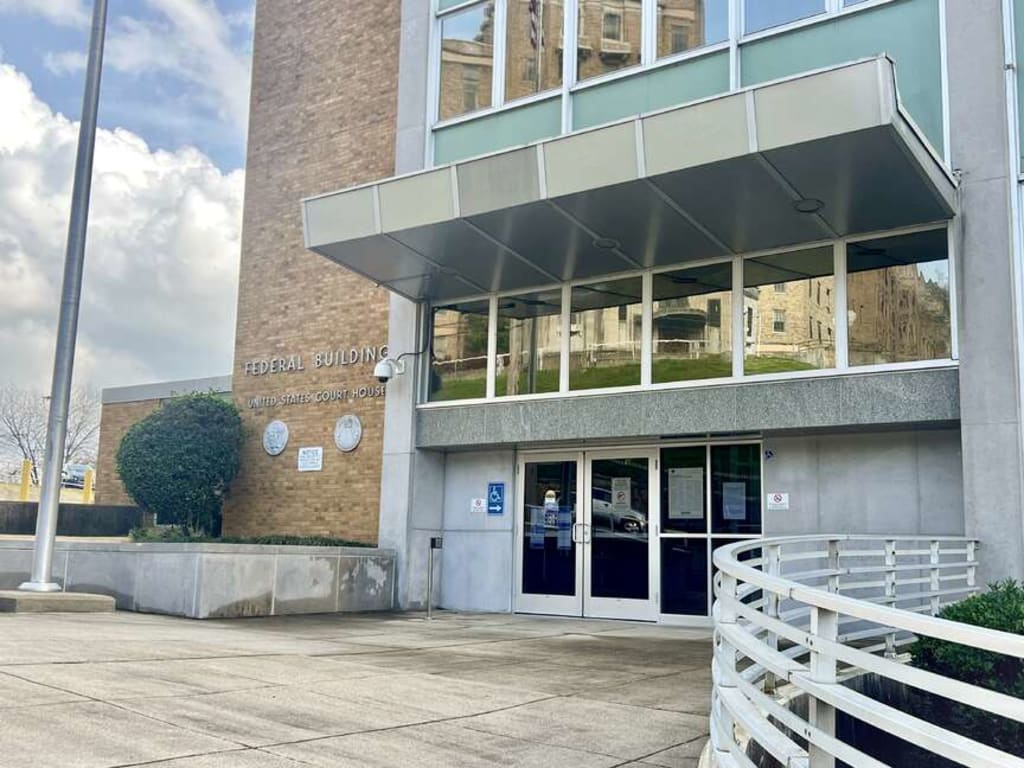
In a significant decision, a federal judge has declared that the seven school districts in Garland County, Arkansas, including the Hot Springs district, are now considered “unitary.” This ruling marks an end to a decades-old desegregation order that had been in place since 1992. But what does this change mean for students, parents, and the community? Let’s break it down.
What Does "Unitary" Mean?
When a school district is declared “unitary,” it means that it has successfully eliminated any racial segregation and no longer requires court supervision to ensure racial balance in its schools. The term stems from desegregation efforts that were put in place after the landmark 1954 Supreme Court case *Brown v. Board of Education*, which ruled that racial segregation in public schools was unconstitutional. Over the years, school districts across the U.S. have been monitored by courts to ensure they were complying with desegregation orders.
In the case of Garland County, a desegregation order had been in effect for over 30 years. During this time, the districts were required to follow specific guidelines that ensured racial diversity and fairness in student enrollment and transfers. However, with the latest ruling from Federal Judge Susan Hickey, the court has determined that the county's school districts have now fulfilled these obligations.
The 1992 Desegregation Order
The desegregation order in Garland County was originally put in place in 1992. The purpose of this order was to address any racial imbalances that might exist within the county’s schools and to ensure that students of all racial backgrounds had equal access to educational opportunities. This meant that the schools had to actively work to maintain racial diversity among their students and staff, and any transfers between schools had to take the racial makeup of the districts into account.
For decades, the districts in Garland County operated under this order. Schools were closely monitored, and legal actions were sometimes required to address any concerns of racial imbalance. However, the county has now reached a point where the courts believe that these measures are no longer necessary.
The Judge’s Decision
In a 35-page ruling, Federal Judge Susan Hickey found that the seven school districts in Garland County, including Hot Springs, have met their obligations under the desegregation order. According to the ruling, after years of litigation and effort from the districts, the schools are now considered unitary. This means that the districts no longer need to follow the court-mandated requirements that were put in place to ensure racial diversity.
This ruling is a major milestone for the county, as Garland County was the last in the state of Arkansas to still be operating under a county-wide desegregation order. With this decision, the county joins others in the state that have already achieved unitary status.
What This Means for Students and Families
With the desegregation order lifted, there are some important changes that students and families in Garland County should be aware of:
1. Freedom to Transfer: One of the key changes is that students can now transfer between school districts without any restrictions based on the racial composition of those districts. Under the desegregation order, transfers were often limited or regulated to ensure that racial diversity was maintained. Now, families have more freedom to choose where their children go to school, regardless of race.
2. End of Court Supervision: The school districts will no longer be under court supervision to monitor racial balance. This means that the districts will now manage their own enrollment policies without the need to report to or be guided by the courts on desegregation matters.
3. Focus on Educational Improvement: With the desegregation order lifted, schools in Garland County can shift their focus more fully to improving education for all students. This may include new programs, curriculum enhancements, or initiatives aimed at boosting student achievement across the board.

A Step Forward for Garland County
The decision to declare Garland County’s schools unitary is a reflection of the progress the districts have made over the years. Judge Hickey’s ruling acknowledges the efforts that the schools have taken to create an environment where students of all races can learn together without the need for ongoing court oversight.
While this is a positive step forward, it’s important to remember that achieving unitary status doesn’t mean that the work is over. Schools will still need to be vigilant in ensuring that all students, regardless of race, have access to equal opportunities. The goal of desegregation was never just about numbers or racial ratios—it was about creating an inclusive environment where every child can succeed. Now, the challenge for Garland County’s schools is to maintain that spirit of inclusivity moving forward.
Conclusion
The decision to declare the school districts in Garland County unitary is a historic moment for the region. After more than three decades under a desegregation order, the county has reached a point where the courts no longer see the need for oversight. For students and families, this brings new freedoms in terms of school choice, while for the districts, it allows them to focus more on enhancing educational outcomes.
As Garland County moves forward, the hope is that this newfound autonomy will lead to even greater strides in providing high-quality education for all students.
About the Creator
7 Online Skills That Can Change Your Financial Future in 2026
7 Online Skills That Can Change Your Financial Future In today’s digital world, one skill can completely transform your life. Just a decade ago, making money online sounded unrealistic to many people. Today, thousands of people are building careers, businesses, and even financial freedom using only their laptops and internet connections. The truth is simple: the internet has created opportunities that never existed before. But the biggest mistake most people make is waiting for the “perfect moment” to start learning. The reality is that learning just one valuable online skill can open doors to income streams you never imagined. Here are seven powerful online skills that can truly change your financial future. 1. Content Writing Content writing is one of the easiest online skills to start with. Every website, blog, and online business needs high-quality content to attract readers and customers. If you can write helpful, interesting, or informative articles, you already have the foundation for this skill. Content writers earn money by writing: Blog posts Website content Product descriptions News articles Platforms like freelance marketplaces, blogging websites, and digital publications are always looking for good writers. With practice, many writers turn this skill into a full-time career. 2. Graphic Design In the online world, visuals matter. Businesses need logos, social media graphics, advertisements, and brand designs to attract attention. Graphic design allows creative people to turn their imagination into income. Even beginners can start by learning simple tools and gradually improving their skills. Graphic designers can work with: Small businesses Online brands Content creators Marketing agencies A single well-designed logo or brand package can sometimes earn more than weeks of traditional work. 3. Video Editing Video is the most powerful form of content on the internet today. From social media platforms to online courses, videos dominate the digital world. But most creators don’t have the time or skill to edit their own videos. This is where video editors come in. If you learn how to cut clips, add music, create smooth transitions, and improve video quality, you can become extremely valuable. Video editors are needed by: YouTubers Businesses Online educators Social media influencers The demand for video editing continues to grow every year. 4. Social Media Management Millions of businesses rely on social media to reach customers. But many business owners don’t know how to grow their pages, create content, or engage with their audience. Social media managers help brands: Plan content Post regularly Respond to followers Grow their audience With the right strategy, social media managers can manage multiple accounts and earn steady monthly income. This skill combines creativity with marketing knowledge, making it highly valuable. 5. Digital Marketing Digital marketing is one of the most powerful online skills you can learn. It involves promoting products, services, or brands through online channels such as search engines, social media, and email. Digital marketers help businesses get: More website visitors More customers More sales Companies are willing to pay well for people who can increase their revenue. Learning digital marketing can open doors to freelance work, remote jobs, or even your own online business. 6. Web Development Every business needs a website. But building a professional website requires technical skills. Web developers create and maintain websites using coding languages and development tools. Although this skill takes more time to learn than others on this list, it is also one of the highest-paying online skills. Many web developers work remotely and build websites for clients all around the world. Once you gain experience, the opportunities become endless. 7. AI Content Creation Artificial intelligence is rapidly changing the online world. Many creators and businesses now use AI tools to produce content faster and more efficiently. AI content creators use technology to generate: Articles Images Videos Marketing content People who understand how to use AI tools effectively have a huge advantage in the modern digital economy. Instead of replacing creativity, AI often amplifies it. Those who learn how to combine creativity with technology will be ahead of the curve. Final Thoughts The internet has made it possible for anyone, anywhere in the world, to build valuable skills and create new income opportunities. But knowledge alone is not enough. The real difference comes from taking action. Pick one skill from this list and start learning today. Practice consistently. Improve a little every day. Over time, that single skill could become the foundation of a completely different financial future. Because sometimes, all it takes is one skill to change everything.
By Baseer Shaheen a day ago in Education




Comments
There are no comments for this story
Be the first to respond and start the conversation.