
Fascinating Food Fact
Fact That Will Change How You See Your Kitchen
Fascinating Food Facts That Will Change How You See Your Kitchen
Food is more than just nourishment—it’s full of surprises, quirks, and science. From garlic’s unexpected trick to Oreos’ not-so-double stuffing, here’s a deep dive into some fascinating food facts that might just blow your mind.
Taste Garlic Without Eating It
Did you know you don’t need to actually eat garlic to taste it? If you rub a clove of garlic on your feet, you might taste it within 15 minutes. While there’s no definitive explanation for this phenomenon, it could be linked to allicin, a compound in garlic that travels through your body. Placebo effect or not, it’s a fun experiment to try!
Juicier Lemons with a Microwave Hack
Warming lemons in a microwave can make them juicier. The heat softens the membranes inside the fruit, making it easier for the juice to flow freely. Next time you need lemon juice for your recipe, give this simple trick a try.
Keppel Fruit: Nature’s Perfume
Ever heard of the keppel fruit? It’s a rare fruit with a unique superpower: it can make your sweat smell like violets. While uncommon, it’s a fascinating example of how nature can surprise us in unexpected ways.
The First Vegetable Grown in Space
The first vegetable grown in space was a potato. NASA successfully grew five small potatoes from tubers, proving that space travelers might one day enjoy fresh (or fried!) food on their journeys.
Foods Full of Water
We know watermelons, tomatoes, and celery are mostly water, but did you know potatoes are about 80% water too? Their water content plays a role in helping them absorb and reflect Wi-Fi signals, just like humans do. Still, potato juice might not be the best drink idea—roasting them is a far tastier option.
Oranges That Aren’t Orange
Not all oranges are orange. In subtropical regions, the climate doesn’t get cold enough to break down chlorophyll, leaving the fruit peel yellow or greenish. To make them orange, growers often treat the fruit with ethylene gas.
Cranberries: The Bouncing Berry
Want to check the quality of cranberries? Drop them! Good cranberries bounce because of tiny air pockets inside. The higher they bounce, the better their quality. Plus, this same air makes them float in water.
Dogs and Veggies
While many dogs enjoy vegetables like carrots and cucumbers, never feed them grapes. Grapes are toxic to dogs and can lead to serious health issues. Stick to dog-friendly veggies for your furry friend.
Pumpkin Seeds: A Protein Powerhouse
Think meat is the only great source of protein? Think again. Pumpkin seeds and broccoli have more protein per calorie than beef, making them excellent choices for vegetarians or anyone looking to diversify their diet.
Almonds Are Not Nuts
Despite popular belief, almonds are not true nuts. A nut should be dry, but almonds grow inside a fruity layer. On the tree, they look like small peaches, and you have to crack open the fruit to get to the almond seed.
Coffee: A Berry-Based Brew
Your morning coffee isn’t just a caffeine kick—it’s technically stewed fruit! Coffee beans are actually seeds inside a berry, making your cup of joe a berry-infused drink.
Onions and Tears
Not all onions make you cry. Onions grown in sulfur-poor soil taste sweeter and don’t irritate your eyes. If you’re dealing with a tear-inducing onion, try chilling it or rinsing your knife with cold water to reduce the tearful effects.
Baby Carrots: A Marketing Trick
Not all baby carrots are naturally tiny. Some are regular-sized carrots trimmed down to make them marketable. This clever trick turns carrots with no market value into a sellable product.
No Negative-Calorie Foods
Lettuce, celery, and kale are often touted as “negative-calorie” foods, but this is a myth. While they’re very low in calories (about 10 per serving), digesting them only burns half a calorie—not enough to put you in the negative.
The Truth About Grated Cheese
If you buy pre-grated cheese, check the label for cellulose. This digestible wood pulp is added to prevent clumping. While it’s safe to eat, it’s a surprising addition to your cheese!
Fake Wasabi
Most wasabi sold in supermarkets isn’t real wasabi. True wasabi is hard to cultivate and expensive, so it’s often replaced with horseradish, flavorings, and colorants.
White Chocolate Isn’t Chocolate
White chocolate isn’t real chocolate. It’s made from sugar, milk, vanilla, and cocoa butter, but lacks the cocoa solids needed to classify it as chocolate.
The Everlasting Honey
Honey is the only food that never expires. Its low pH and high sugar content make it inhospitable for bacteria and organisms that cause spoilage. Even ancient jars of honey are still edible!
Diamonds from Peanut Butter
Peanut butter and engagement rings have something in common: diamonds. Scientists have figured out how to extract carbon from peanut butter, put it under intense pressure, and create diamonds. Who knew?
Fruit Candies and Car Wax
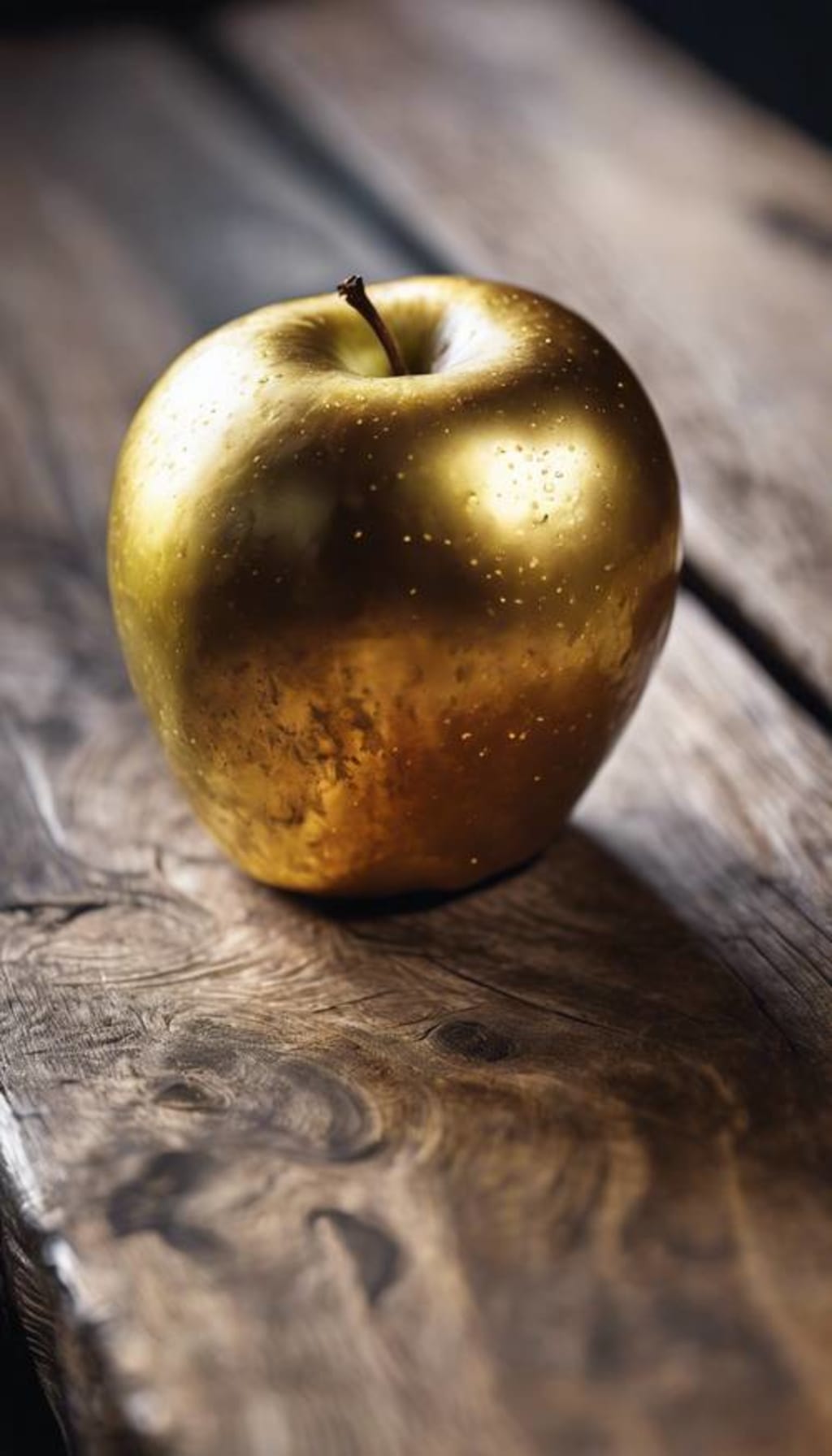
That shiny coating on fruit candies comes from carnauba wax, the same substance used to polish cars. Many fruits, especially apples, also have a thin layer of this wax to give them a glossy appearance.
Ketchup as Medicine
In the 1800s, ketchup was used as medicine. Doctors believed tomatoes had medicinal properties, so ketchup became a health remedy. While its medical claims didn’t hold up, it remains a beloved condiment today.
The Color of Plates Matters
Did you know the color of your plate can influence how you perceive food? Studies show that red plates can help reduce portion sizes, while drinks in orange cups are perceived as tastier.
The Quirks of Bananas
Bananas, technically berries, can ripen faster if placed in a bag with apples or tomatoes. These fruits release ethylene gas, which speeds up ripening. Fun fact: the bananas you buy may have been stored for up to a year before hitting supermarket shelves.
Farm-Raised Salmon
Farm-raised salmon are naturally white. To mimic the pink hue of wild salmon, which eat shrimp, farmed salmon are fed artificial dyes. Decades ago, a company marketed white salmon as “guaranteed not to turn pink in the can.” Talk about creative advertising!
From garlic’s strange tricks to ketchup’s medicinal past, the world of food is full of surprises. The next time you step into your kitchen, you might just see your ingredients in a whole new light!
About the Creator
Keep reading
More stories from Jatia Pradhan and writers in Education and other communities.
Why Your Next Vacation Should Be India
Why Your Next Vacation Should Be India: A Vibrant Land of Wonders Planning your next getaway? Consider adding India to your list. While it may seem like a world away—both in distance and culture—India is a surprisingly tourist-friendly destination. Even better, visiting this vibrant country won’t burn a hole in your wallet. Let me take you through a journey of why India should top your travel bucket list.
By Jatia Pradhanabout a year ago in Education
How Portland is Changing Mobile Development for 2027?
Not long ago, success in mobile development meant building the fastest app, optimizing screen layouts, and pushing updates to millions of smartphones. That formula worked for years. But somewhere along the way, developers began noticing something strange: the rules were quietly changing.
By Mike Pichai4 days ago in Education
The Grey to Green Shift: Inside France’s USD 20,912.99 Million Cement Revolution (2025–2034)
In the industrial corridors of France in 2026, a massive transformation is underway. Cement the literal foundation of modern civilization is no longer just a grey powder. It has become a strategic frontier for carbon technology and a barometer for France’s "Green Sovereignty."
By Neeraj kumar4 days ago in Education




Comments