
Facades: Abstracting Complexity of inner Architecture
The Facade
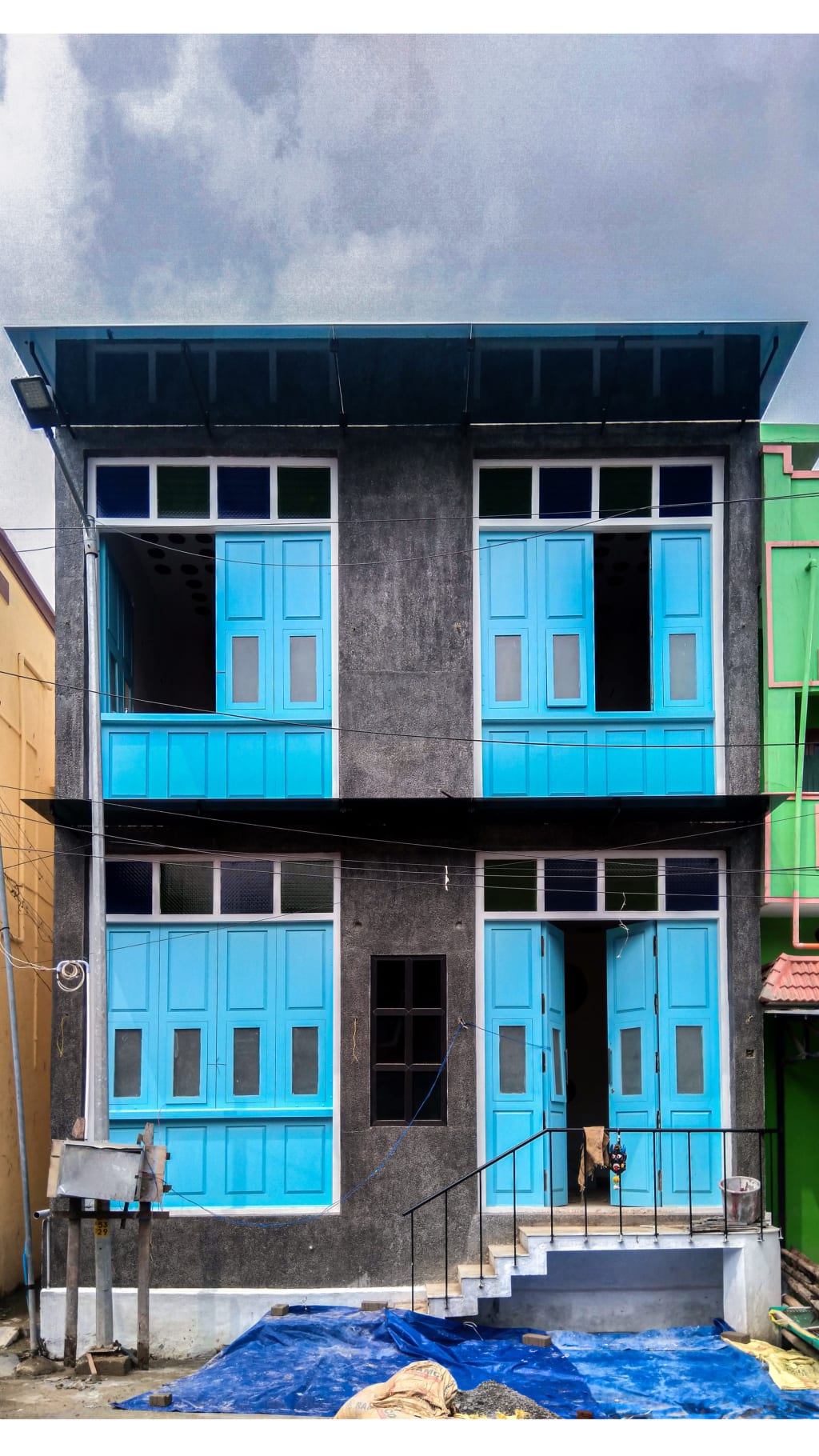
In building architecture, a facade is the external face of a building, typically the front or main entrance. The facade is often the most visible and distinctive part of a building, and is used to create an impression of the building and to reflect its style and character.
Simplicity: A facade can provide a simpler, more intuitive interface to a complex system, making it easier for users to understand and use.
The facade of a building serves several important functions. It provides protection from the elements, including wind, rain, and sun. It also serves as a barrier to noise and other external disturbances. In addition, the facade can contribute to the energy efficiency of a building by providing insulation and helping to regulate the temperature inside.
The design of a building's facade is influenced by a variety of factors, including the local climate, the architectural style of the surrounding area, and the specific needs and preferences of the occupants. In many cases, the facade is an expression of the building's function and purpose, and it may be designed to convey a particular image or message to the public.
Design of facade is not mandatory to follow the context of the location, it can vary also. One way to make the project stand out and appear more unique is to differentiate it from others in the surroundings.
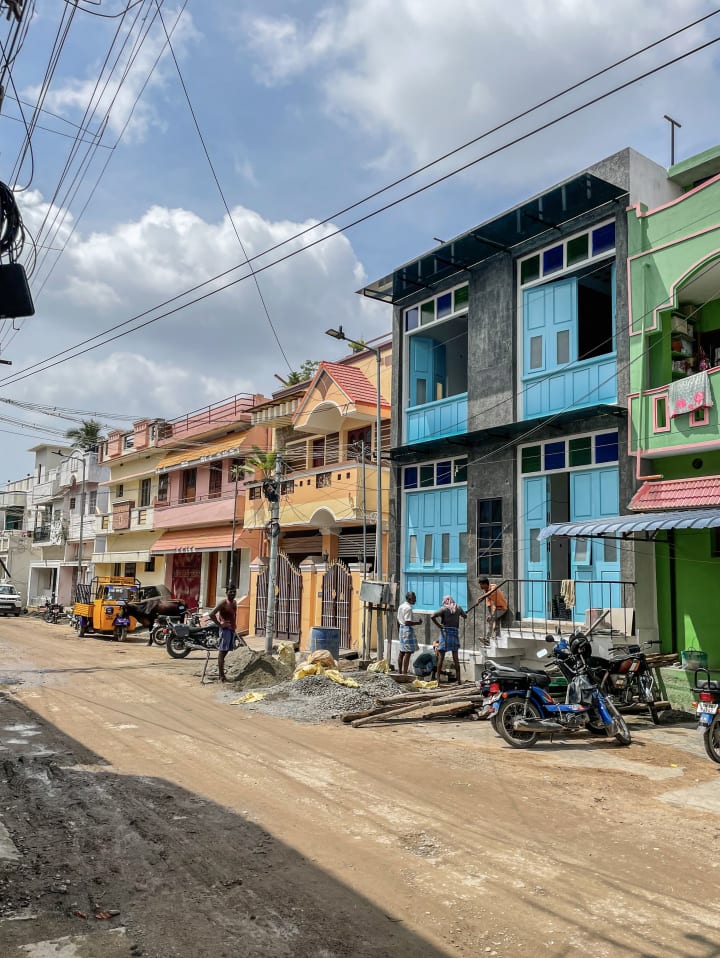
The facade is typically the first thing that people see when they approach a building, and it is often designed to make a strong impression and to set the tone for the rest of the structure. In many cases, the facade is an expression of the building's function and purpose, and it may be designed to convey a particular image or message to the public. For example, the facade of a government building might be designed to convey a sense of authority and stability, while the facade of a luxury hotel might be designed to convey a sense of opulence and exclusivity.
There are many different types of facades that can be used on a building. Some common types of facades include:
Brick: This type of facade is made of brick and is often used on traditional or historic buildings.
Stone: Stone facades are made of natural stone and are often used on buildings in a traditional or classical style.
Glass: Glass facades are made of large panels of glass and are often used on modern buildings to create a sleek, contemporary look.
Stucco: Stucco facades are made of a plaster-like material and are often used on buildings in a Mediterranean or Spanish style.
Wood: Wood facades are made of wood panels or shingles and are often used on buildings in a rustic or natural style.
Metal: Metal facades can be made of aluminum, steel, or other metal materials and are often used on modern or industrial buildings.
Concrete: Concrete facades are made of poured or precast concrete and are often used on modern buildings to create a clean, minimalist look.
There are many other types of facades as well, and the choice of material will depend on the architectural style of the building, the local climate, and the specific needs and preferences of the occupants.
In conclusion, a facade is the external appearance of a building. It includes the walls, windows, doors, and other features that are visible from the outside. The facade is a key element of a building's design and plays a significant role in shaping its character and overall aesthetic appeal.
Image from the project:
The Raja veedu, tirunelveli - onebulb architecture studio
About the Creator
aakash
I write on everyday what i observe and related to architecture, art.
Keep reading
More stories from writers in Education and other communities.
Wealthiest Zip Codes in the U.S: A Guide for Real Estate Investors
In the world of real estate, there is a distinct difference between "expensive" markets and "wealth-concentrated" ecosystems. While many investors chase high-growth "hot" markets, a select group of seasoned professionals focuses on a different metric: the five-digit zip code.
By REI Data Solutionsabout 14 hours ago in Education
Rachel Reviews: The Spiral Archive by Pieter Hendrik
It's difficult for me to know where to start with a review of this book as it was, for me, an entirely unique experience and one that I'll probably never have again. I don't want that to be interpreted as unenjoyable but it has left me scratching my head a little and ruminating on its content, its themes and its characters.
By Rachel Deeminga day ago in BookClub
A Dart at Dusk
Seconds ago, the sullen sun set on the two of us… my exuberant furry companion and me. A fresh breeze embraces us, delivering welcome relief from the day’s oppressive heat. His typical stumbling and staggering along — apace with a sloth — has turned into trip-trapping, high-stepping, almost skipping along.
By Angie the Archivist 📚🪶6 days ago in Petlife



Comments
There are no comments for this story
Be the first to respond and start the conversation.