
Exploring the Wonders of the Milky Way Galaxy
Latest Discoveries

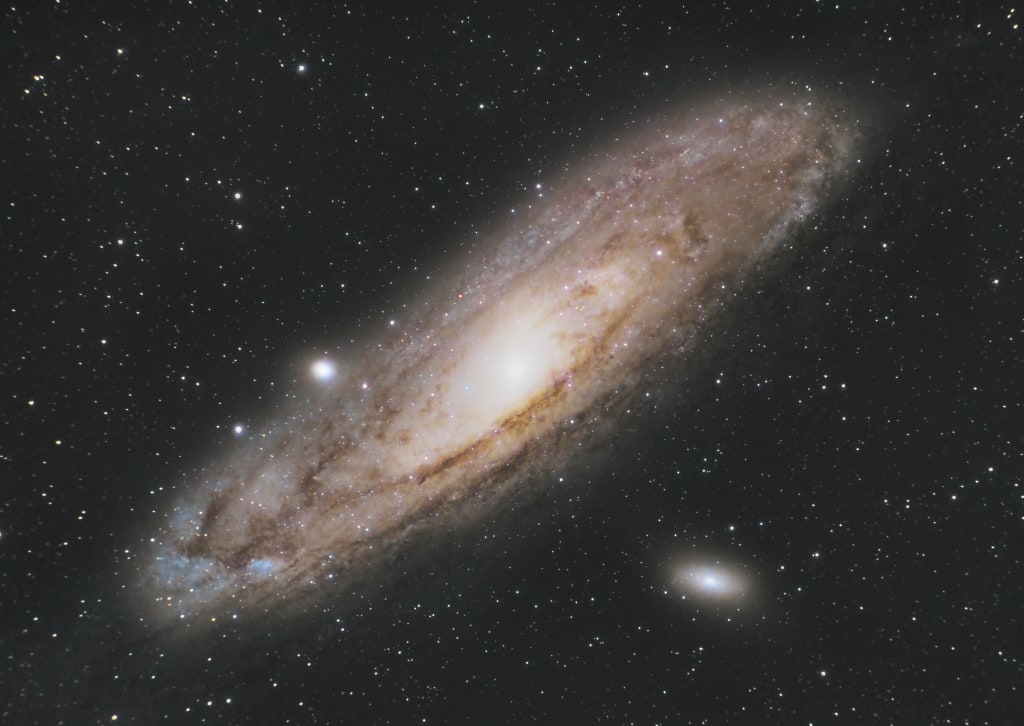
The Milky Way Galaxy has always fascinated astronomers and space enthusiasts alike. With its stunning beauty and immense scale, our home galaxy continues to be a subject of research and exploration. In this blog, we will delve into the latest information and discoveries about the Milky Way Galaxy, shedding light on its secrets and mysteries.
A Spiral Galaxy of Astonishing Size
The Milky Way is a barred spiral galaxy, which means it has a central bar-shaped structure surrounded by spiral arms. While we've known this for some time, recent observations and research have provided us with a more detailed understanding of its size and structure. The Milky Way's diameter is estimated to be around 100,000 light-years, and it contains an estimated 100 to 400 billion stars, including our own Sun.
The Supermassive Black Hole at the Center
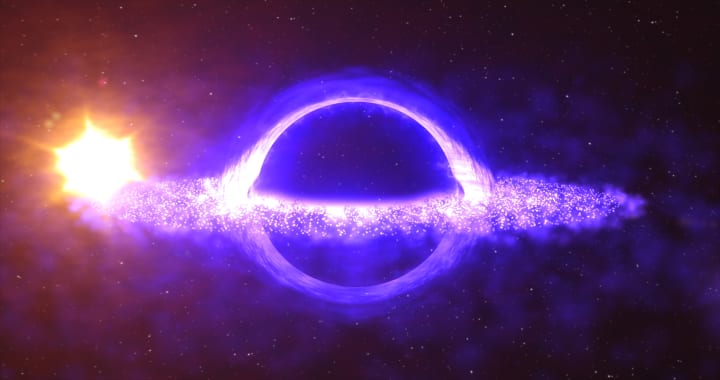
At the heart of our galaxy lies a supermassive black hole known as Sagittarius A* (pronounced "Sagittarius A-star"). This black hole is roughly 4.3 million times the mass of our Sun. Recent studies have allowed us to closely monitor the movements of stars near Sagittarius A*, providing strong evidence for the existence of this colossal cosmic entity.
The Milky Way's Dynamic Spiral Arms
The Milky Way's spiral arms are not static; they are dynamic regions filled with stars, gas, and dust. Recent research using radio telescopes and infrared observations has provided insights into the structure and movement of these arms. Some scientists believe that we may have more arms than previously thought, with newer models suggesting between two and four major spiral arms.
A Surprisingly Active Galactic Center
The region around Sagittarius A* is far from being a cosmic wasteland. In fact, it's quite the opposite. Recent observations have revealed a flurry of activity, including energetic processes and even star formation near the galactic center. This challenges the notion that black holes are destructive forces that prevent star formation, highlighting the complexity of the galactic center.
Unveiling the Dark Matter Halo
One of the most significant mysteries of the Milky Way Galaxy is the presence of dark matter, an invisible and mysterious substance that does not emit, absorb, or reflect light. Recent efforts have been made to map the distribution of dark matter in our galaxy. These studies suggest that the Milky Way is enveloped by a massive dark matter halo, which plays a crucial role in shaping the galaxy's structure and influencing the motion of stars within it.
A Galactic Feast of Exoplanets
Exoplanet discoveries have become a hot topic in recent years, and the Milky Way is no exception. Astronomers have identified thousands of exoplanets within our galaxy, many of which are located in the habitable zones of their parent stars, where conditions might be suitable for life as we know it. This opens up exciting possibilities for the search for extraterrestrial life within our own galaxy.
Galactic Cannibalism
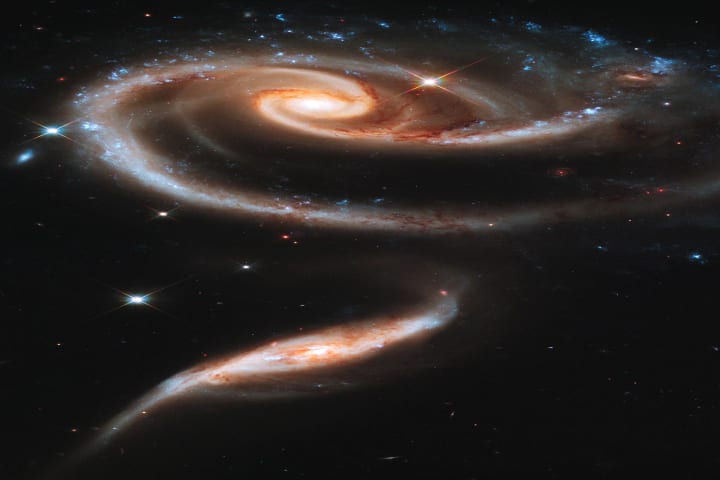
ic CannibalismOur Milky Way has a history of interactions with other galaxies. Recent research suggests that the Milky Way has cannibalized smaller satellite galaxies over its long lifetime. Evidence of this cosmic feast includes streams of stars and other debris, which are remnants of these galactic mergers. These interactions have shaped our galaxy's appearance and evolution.
A Galactic Collision Looms Ahead
The Milky Way is on a collision course with the Andromeda Galaxy, our closest neighboring spiral galaxy. While this collision is not expected to occur for several billion years, it is a fascinating topic of study. Recent simulations and observations have refined our understanding of this impending galactic collision, which will profoundly reshape both galaxies involved.
Galactic Archaeology: Tracing Our Origins
In recent years, astronomers have embraced a field known as "galactic archaeology." By studying the oldest stars in the Milky Way, researchers can learn about the galaxy's formation and evolution. This discipline has led to fascinating insights into the age and composition of the Milky Way's stellar populations, shedding light on our galaxy's history.
The Milky Way's Role in the Cosmic Web
Our Milky Way is not an isolated island in space; it's part of a vast cosmic web of galaxies that stretch across the universe. Recent cosmological simulations and observations have contributed to our understanding of how the Milky Way fits into this larger structure. It serves as a building block in the grand tapestry of the universe.
Our knowledge of the Milky Way Galaxy continues to expand and deepen thanks to ongoing research and technological advancements. With each new discovery, we come closer to unraveling the mysteries of our galactic home, from the enigmatic supermassive black hole at its center to the intricate dance of stars in its spiral arms. As we continue to
About the Creator
Reader insights
Outstanding
Excellent work. Looking forward to reading more!
Top insight
Excellent storytelling
Original narrative & well developed characters
Keep reading
More stories from Biprojit saha and writers in Education and other communities.
Exploring the Mysteries of Nebulae
Nebulae are celestial wonders that have fascinated astronomers and stargazers for centuries. These cosmic clouds of gas and dust play a crucial role in the birth and death of stars and offer a window into the evolution of our universe. In this blog, we will delve into the world of nebulae and uncover some important facts about these captivating phenomena.
By Biprojit saha2 years ago in Education
How Magnetic Fields Shape Solar Activity: The Hidden Power Behind Solar Flares and Sunspots
At first glance, the Sun appears calm and steady—a glowing sphere lighting our skies every day. Yet beneath this peaceful appearance lies a star constantly shaped by powerful and invisible forces. These forces twist, stretch, and reshape the Sun’s surface, producing dramatic events such as sunspots, solar flares, and massive eruptions of energy.
By shahkar jalala day ago in Education
How to Start a Home Remodeling Business
Starting a home remodeling business can be a good opportunity for people who enjoy construction, repairs, and improving homes. Many homeowners want to update their kitchens, bathrooms, roofs, and living spaces, but they often need skilled professionals to handle the work.
By supun fernando5 days ago in Education



Comments (5)
hi
wow
wow
wow nice
wow so nice