
Exploring the Universe with Space Telescopes
capturing the dots in the night sky

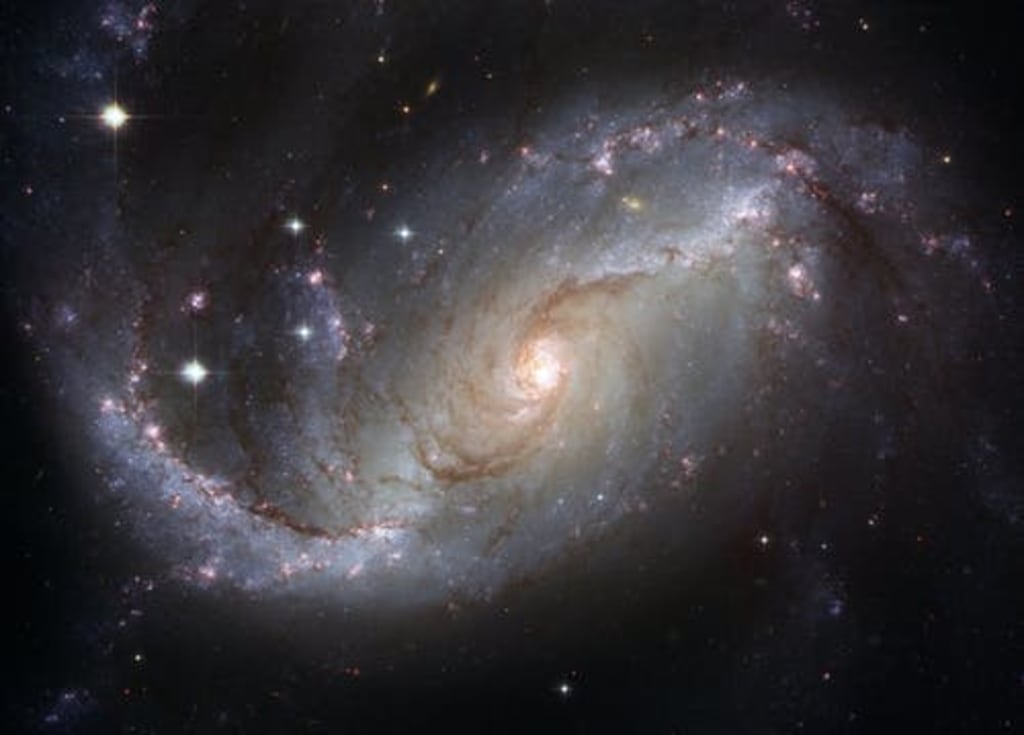
Exploring the Universe with Space Telescopes
Exploring the vast expanse of the universe is a captivating and endlessly fascinating pursuit, and one of the most important tools we have for doing so is the space telescope. Did you know that the first space telescope, the Orbiting Astronomical Observatory 2, was launched way back in 1968? Since then, space telescopes have come a long way and have played a crucial role in some of the most significant discoveries in the field of astronomy.
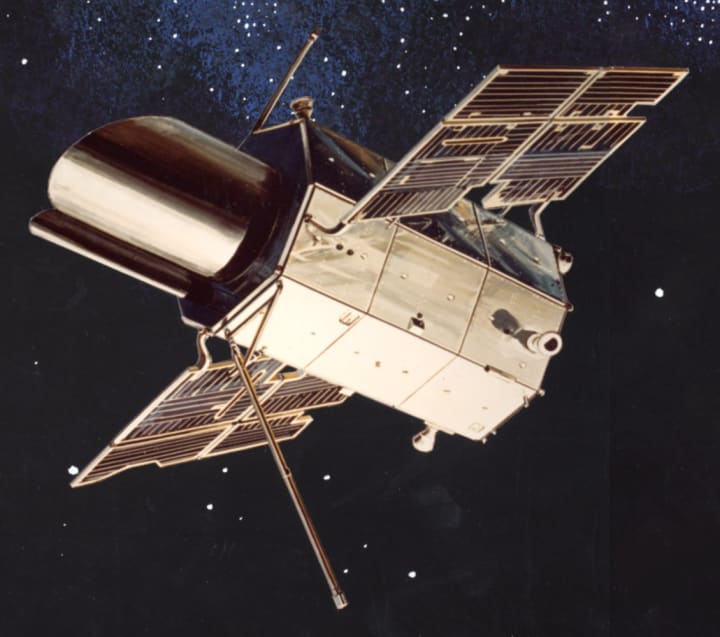
Space telescopes work by capturing light from distant objects and then analyzing that light to learn more about those objects. There are two main types of space telescopes: optical telescopes, which observe visible and ultraviolet light, and radio telescopes, which observe radio waves. Both types of telescopes have their own unique advantages and are used to study different aspects of the universe.
One of the most famous space telescopes is the Hubble Space Telescope, launched in 1990. One of the main goals of the Hubble Space Telescope is to study the universe in visible, ultraviolet, and near-infrared light. It has been used to observe distant galaxies, nebulae, and stars, and has made many important scientific discoveries, such as the rate at which the universe is expanding and the existence of supermassive black holes.
The Hubble is equipped with a number of scientific instruments, including cameras and spectrographs, which are used to analyze the light from celestial objects. It has a primary mirror that is 2.4 meters (7.9 feet) in diameter and is able to capture extremely high-resolution images.

There are several benefits to using space telescopes over ground-based telescopes. For one, space telescopes can see objects in higher resolution because they are not limited by Earth's atmosphere, which can distort and interfere with light. Additionally, space telescopes are able to observe objects that are blocked by the atmosphere, such as certain types of radiation.

The future of space telescopes is bright, with several exciting missions already underway. The James Webb Space Telescope, which was launched on October 31, 2021, is the successor to the Hubble and is able to observe even further back in time to the early universe.One of the main goals of the JWST is to observe the first stars and galaxies that formed in the universe, which are too far away and too faint to be seen by other telescopes. It will do this by looking at the infrared light emitted by these objects, which has been stretched and redshifted by the expansion of the universe.
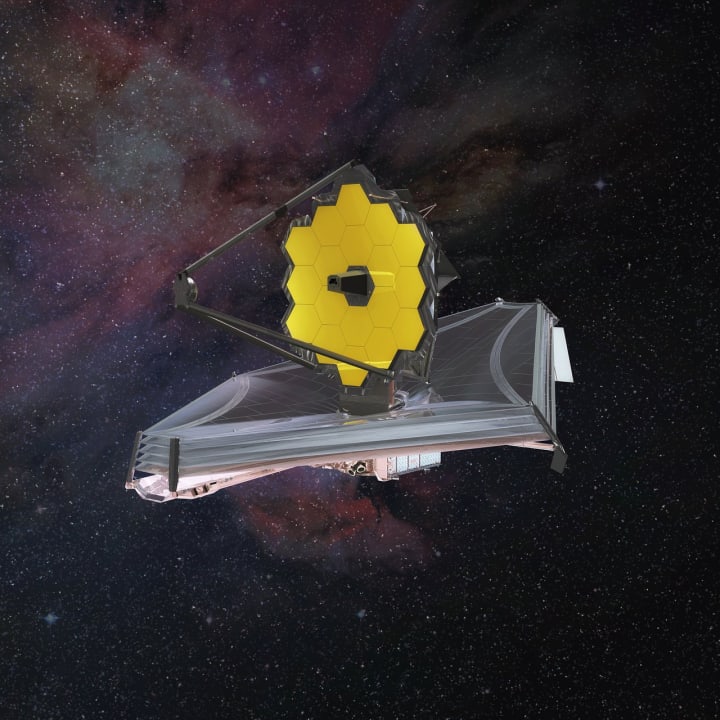
The JWST is also equipped to study the atmospheres of exoplanets , which are planets that orbit stars other than the Sun. It will be able to detect the chemical signatures of these atmospheres and potentially even search for signs of life. In addition to its scientific capabilities, the JWST is also notable for its technical innovations. It has a large mirror that is made up of 18 hexagonal segments and is much more sensitive to infrared light than the Hubble. It also has a sunshield that is the size of a tennis court, which will protect the telescope from the heat of the Sun and allow it to operate in the cold temperatures of space.
The Large Synoptic Survey Telescope, set to begin operations in the 2030s, will be able to survey the entire sky every few nights and will be used to study dark matter and dark energy.
In conclusion, space telescopes are an invaluable tool for exploring the universe and have enabled us to make some of the most significant discoveries in the field of astronomy. From the Hubble to the James Webb, these remarkable instruments will continue to push the boundaries of our knowledge and understanding of the cosmos. Whether you're an astronomy enthusiast or just curious about the world around us, space telescopes are sure to inspire and captivate you.
About the Creator
cosmos z
just writing about some stuffs
Reader insights
Nice work
Very well written. Keep up the good work!
Top insights
Easy to read and follow
Well-structured & engaging content
Eye opening
Niche topic & fresh perspectives
On-point and relevant
Writing reflected the title & theme
Service That Wins: Why Quality Service Is the Strongest Advantage Any Business Has
Every business wants attention, growth, and loyalty. Many chase these goals through ads, discounts, or fast trends. These methods can help for a short time, but they fade quickly. One factor keeps working year after year: quality service. It shapes how people see a brand. It guides customer decisions. It turns simple transactions into lasting relationships. Quality service is not about doing extra work. It is about doing the right job in the right way. It means listening carefully. It means responding with care. It means solving problems without confusion or delay. When customers feel respected and supported, they remember it. That memory becomes a reason to return.
By Apex Service Partners3 days ago in Education




Comments
There are no comments for this story
Be the first to respond and start the conversation.