
Exploring the Rich Heritage of Traditional Martial Arts in Tamil Nadu
From Silambam to Nillaikakakki : A Look into the Diverse Combat System of Tamil Nadu
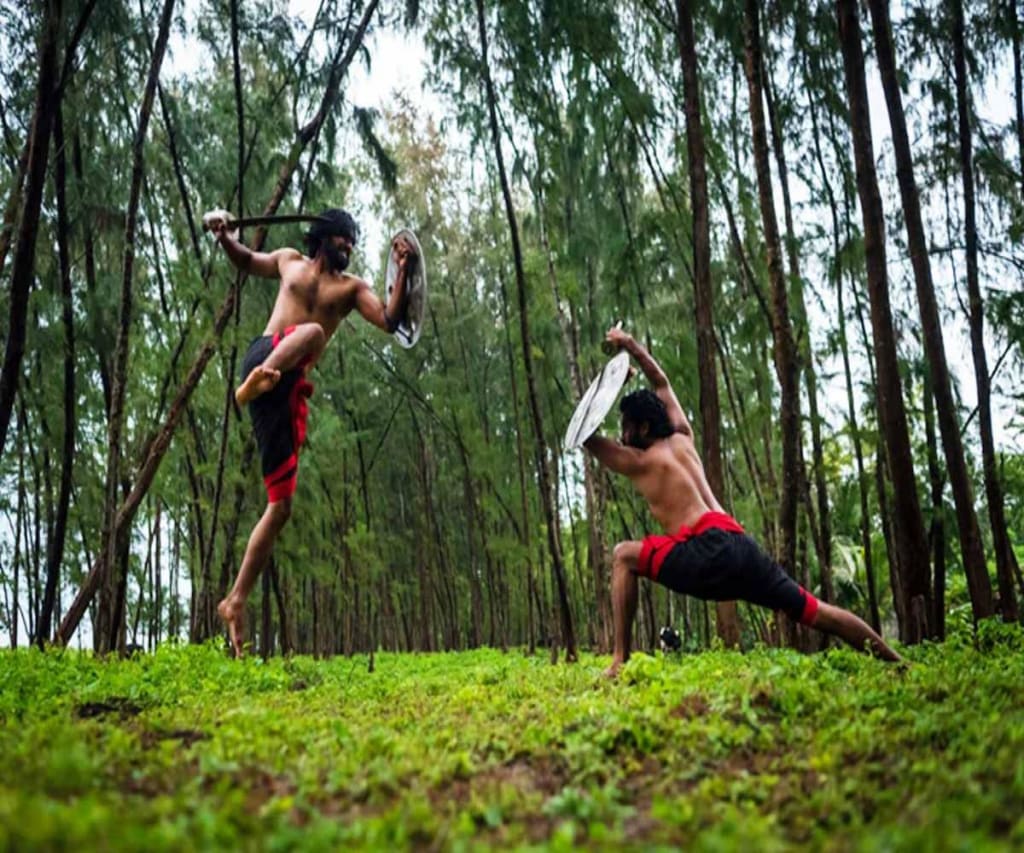
Tamil Nadu, a state in southern India, has a rich tradition of martial arts that are closely tied to the region's cultural heritage. Here are some examples of Tamil Nadu's traditional martial arts:
1. Silambam
2. Varma Kalai
3. Kuttu Varisai
4. Adi Murai
5. Nillaikalakki
These are just a few examples of the many martial arts that are practiced in Tamil Nadu. Each art has its unique techniques and training methods, but they all share a common focus on physical fitness, mental discipline, and self-defense.
1. Silambam
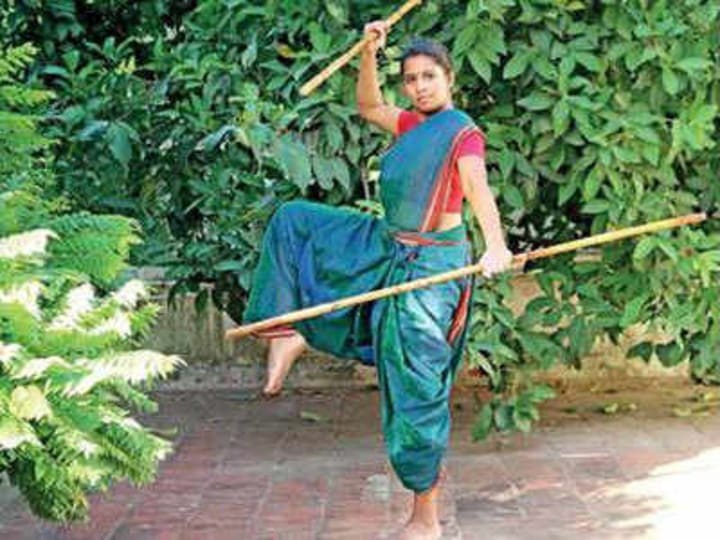
Silambam is a traditional martial art from Tamil Nadu, a state in southern India. It is a weapon-based martial art that uses a long bamboo stick, known as a silambam, as the primary weapon. The length of the silambam can vary from person to person, but it is usually around 5 to 6 feet long.
Silambam has a long history in Tamil Nadu and is said to have originated over 2,000 years ago. It was developed as a means of self-defense and was practiced by Tamil warriors who needed to defend themselves from attack. Over time, the art evolved to include a wide range of techniques and training methods, including strikes, blocks, footwork, and forms.
In Silambam, practitioners learn to use the silambam both defensively and offensively. They are taught to strike their opponents with quick, powerful blows, and to block attacks with deft movements of the stick. In addition to stick fighting, Silambam also includes empty-hand techniques, grappling, and joint locks.
Today, Silambam is practiced by people of all ages and backgrounds in Tamil Nadu and other parts of India, as well as in other countries around the world. It is recognized as an important part of Tamil Nadu's cultural heritage and is taught in schools and martial arts academies across the region.
2. Varma Kalai
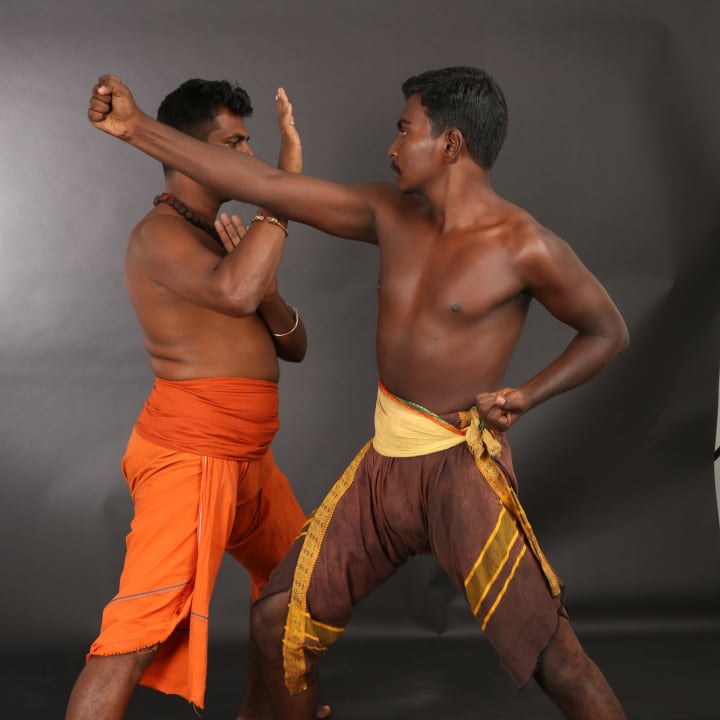
Varma Kalai is a traditional martial art from Tamil Nadu that focuses on the use of pressure points or "varmam" on the human body. It is a holistic system of self-defense that combines physical training with medical knowledge and energy healing.
The art of Varma Kalai dates back over 5,000 years and has its roots in the ancient Siddha and Ayurveda medical traditions of South India. It was originally developed as a means of healing the body and mind, but over time it evolved to include self-defense techniques.
In Varma Kalai, practitioners learn to identify and manipulate the varmam points on the body. These points are similar to the acupressure points in Chinese medicine and are believed to control the flow of energy in the body. By manipulating these points, practitioners can either heal or harm an opponent.
The techniques of Varma Kalai include strikes, kicks, joint locks, and throws, but the emphasis is on using precise strikes to specific varmam points in order to disable an opponent. Practitioners also learn to use meditation and breathing techniques to improve their focus and mental clarity.
Today, Varma Kalai is practiced by a small number of practitioners in Tamil Nadu and other parts of South India. It is considered a rare and valuable martial art, and is often taught in small, family-run schools.
3. Kuttu Varisai
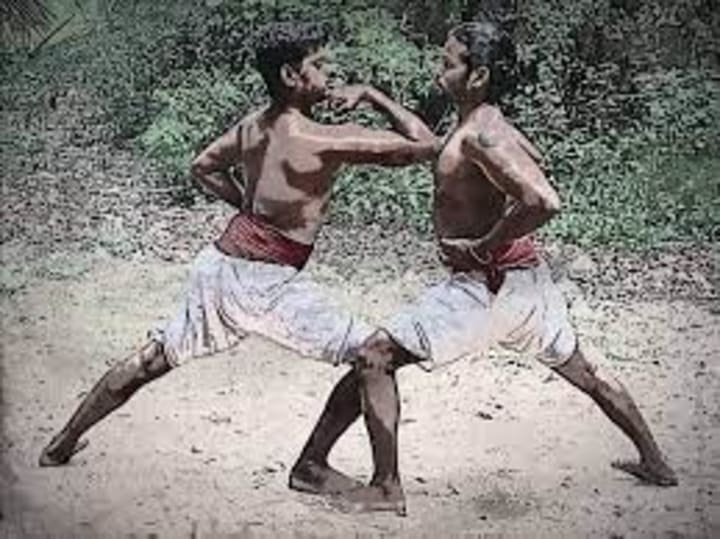
Kuttu Varisai is a traditional martial art from Tamil Nadu, a state in southern India. It is an unarmed combat system that emphasizes fast, fluid movements and acrobatics, and is sometimes referred to as "Tamil acrobatics."
The art of Kuttu Varisai is said to have originated in the royal courts of Tamil Nadu, where it was performed as a form of entertainment for the ruling class. Over time, it evolved into a martial art that was used by warriors to defend themselves in battle.
In Kuttu Varisai, practitioners learn to use their entire body as a weapon. They are taught to perform a series of strikes, kicks, and blocks that are designed to overwhelm an opponent, and to use acrobatic movements such as flips and spins to evade attacks.
One of the key principles of Kuttu Varisai is "kuruvi," which means "bird" in Tamil. Practitioners are taught to move like birds, using their agility and speed to outmaneuver opponents. Another important principle is "natcham," which means "grace" or "beauty." Practitioners are encouraged to perform their movements with grace and fluidity, making Kuttu Varisai a visually stunning martial art to watch.
Today, Kuttu Varisai is practiced by a small number of practitioners in Tamil Nadu and other parts of South India. It is not as well-known as other martial arts from the region, but it is considered an important part of Tamil Nadu's cultural heritage.
4. Adi Murai
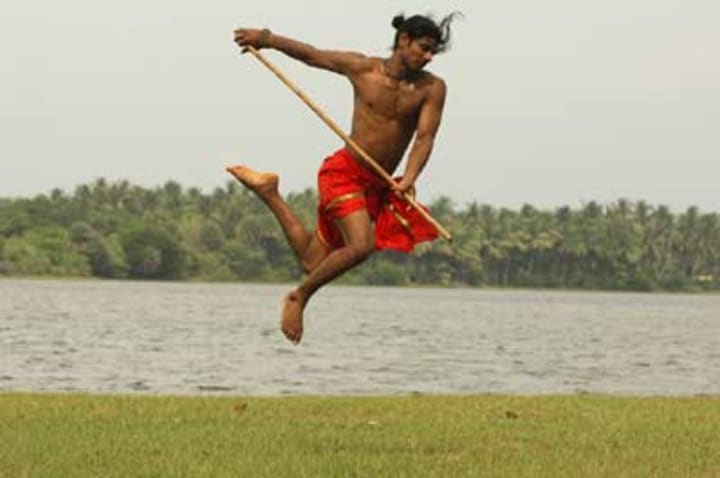
Adi Murai is a traditional martial art from Tamil Nadu, a state in southern India. It is an unarmed combat system that emphasizes strikes, kicks, and joint locks, and is sometimes referred to as "Tamil boxing."
The art of Adi Murai has a long history in Tamil Nadu, and is said to have originated over 2,000 years ago. It was developed as a means of self-defense and was practiced by Tamil warriors who needed to defend themselves in battle.
In Adi Murai, practitioners learn a variety of techniques for striking an opponent, including punches, kicks, elbow strikes, and knee strikes. They are also taught to use joint locks and throws to immobilize an opponent.
One of the key principles of Adi Murai is "akilam," which means "whole" or "complete" in Tamil. Practitioners are encouraged to develop their physical and mental abilities to their fullest potential, and to approach their training as a means of self-improvement.
Today, Adi Murai is practiced by a small number of practitioners in Tamil Nadu and other parts of South India. It is not as well-known as other martial arts from the region, but it is considered an important part of Tamil Nadu's cultural heritage.
5. Nillaikalakki
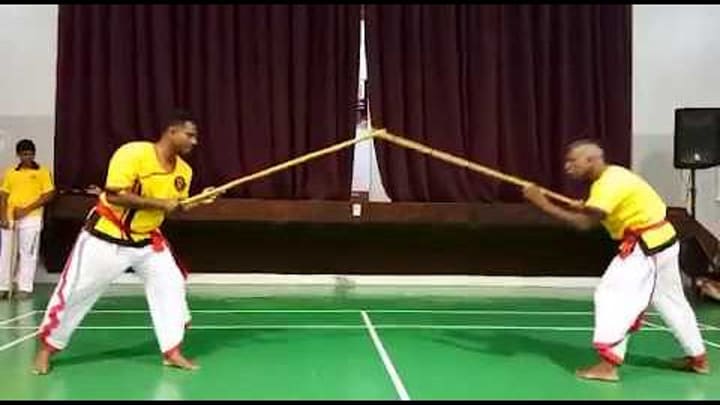
Nillaikalakki is a traditional martial art from Tamil Nadu, a state in southern India. It is an unarmed combat system that emphasizes grappling and joint locks, and is sometimes referred to as "Tamil wrestling."
The art of Nillaikalakki has a long history in Tamil Nadu, and is said to have originated over 2,000 years ago. It was developed as a means of self-defense and was practiced by Tamil warriors who needed to defend themselves in close combat.
In Nillaikalakki, practitioners learn a variety of techniques for grappling an opponent, including throws, holds, and joint locks. They are also taught to use their body weight and leverage to overpower opponents.
One of the key principles of Nillaikalakki is "thaimai," which means "balance" or "equilibrium" in Tamil. Practitioners are encouraged to develop a strong sense of balance and control over their body, which is essential for effective grappling techniques.
Today, Nillaikalakki is practiced by a small number of practitioners in Tamil Nadu and other parts of South India. It is not as well-known as other martial arts from the region, but it is considered an important part of Tamil Nadu's cultural heritage.
Conclusion
Tamil Nadu, a state in southern India, has a rich history of traditional martial arts. These arts have been developed over thousands of years and were originally used by Tamil warriors for self-defense and in battle.
Some of the most well-known Tamil Nadu martial arts include Silambam, which emphasizes the use of staffs as weapons; Varma Kalai, which focuses on pressure point strikes; Kuttu Varisai, which emphasizes fast, fluid movements and acrobatics; Adi Murai, which emphasizes strikes, kicks, and joint locks; and Nillaikalakki, which emphasizes grappling and joint locks.
While these martial arts are not as well-known as some other forms of martial arts, they are an important part of Tamil Nadu's cultural heritage and are still practiced by a small number of dedicated practitioners today.
About the Creator
Reader insights
Nice work
Very well written. Keep up the good work!
Top insights
Compelling and original writing
Creative use of language & vocab
Easy to read and follow
Well-structured & engaging content
Expert insights and opinions
Arguments were carefully researched and presented
Can You Really Earn Money With Transcription? The Real Income Reality
The short answer is yes—you can earn money with transcription. But the more honest, useful answer is this: transcription only becomes worthwhile when you understand how the income actually works, not how it’s often presented online.
By Mahesh Kumar4 days ago in Education
Beyond the Transcript: What Extracurriculars and Essays Reveal That Grades Cannot
Colleges today look far beyond GPAs and test scores to understand who applicants truly are. While academic metrics indicate preparedness for coursework, they fail to capture personality, resilience, passion, and potential contributions to campus life. This is why essays, extracurricular activities, and other non-academic elements of an application hold significant power. They offer admissions officers a fuller, richer, more human version of the student—one that no number can represent.
By Carmen Reid8 days ago in Education
Ludacris and Nelly draw backlash over bookings at MAGA-coded music festival
Ludacris and Nelly headlining a mostly right-wing event is good for them. It’s also great for the genre of hip hop. The two rap veterans have showcased their talents on other stages. Why can’t they perform for mostly MAGA folks and grab that bag?
By Skyler Saunders4 days ago in Beat


Comments
There are no comments for this story
Be the first to respond and start the conversation.