
Exploring the Human Body: A Fun Adventure for Kids in Urdu
Exploring Body Parts
The human body is an incredible creation, filled with different parts that work together to help us move, think, and experience the world around us. For children, learning about their own bodies is an essential part of early education, as it helps them understand how they function and how to take care of themselves.
This special Urdu video takes young learners on an exciting journey through the human body. It breaks down the body into three major sections—the face, the upper body, and the lower body—to make learning easier and more interactive. Using high-quality graphics and simple explanations in Urdu, the video creates a fun and educational experience, ensuring that kids can connect what they learn with their daily lives.
Discovering the Face: The Window to Expression
The journey begins with one of the most important parts of the body—the face. The face is our identity, helping us express emotions and communicate with others. Children are introduced to essential facial features, including بال (hair), آنکھیں (eyes), بھنویں (eyebrows), ناک (nose), گال (cheeks), and منہ (mouth).
Each feature has a unique function. The eyes help us see, allowing us to explore the beauty of the world. The nose lets us breathe and smell, helping us enjoy delicious scents like fresh flowers or home-cooked meals. Our mouth is essential for talking, eating, and smiling. The cheeks give shape to our faces, while the eyebrows help protect our eyes from sweat and dust. And of course, the hair adds to our appearance and helps protect the head.
By watching this engaging section in the video, kids can understand how these parts contribute to daily life. They learn that their eyes help them see their favorite cartoons, their mouth helps them talk to friends, and their nose helps them smell yummy food. This section makes learning about the face fun and relatable.
Understanding the Upper Body: Strength and Movement
After exploring the face, the video moves to the upper body, where children are introduced to کندھے (shoulders), چھاتی (chest), پیٹ (stomach), and بازو (arms). This section focuses on how these body parts help us move, work, and interact with the world.
The shoulders provide support for the arms, allowing us to lift and carry objects. The chest protects important organs like the heart and lungs, keeping us strong and healthy. The stomach helps digest food, giving us energy to play and learn. And the arms help us do so many things—hugging loved ones, drawing pictures, picking up toys, and waving hello.
Children learn about these functions in an engaging way, connecting their own movements to the body parts being discussed. The video explains how the arms help them play games, how their stomach makes sure the food they eat turns into energy, and how their shoulders let them move freely.
This section encourages kids to appreciate their upper body by demonstrating its usefulness in everyday life. They see how their chest moves up and down as they breathe, how their stomach rumbles when they are hungry, and how their arms stretch and bend to help them with tasks.
Exploring the Lower Body: Mobility and Balance
The final part of the journey focuses on the lower body, teaching children about ٹانگیں (legs), گھٹنے (knees), پاؤں (feet), ایڑھی (heel), and انگلیاں (toes). This section highlights the importance of movement and stability, showing how the lower body helps us walk, run, and jump.
The legs are one of the strongest parts of the body, carrying us wherever we go. The knees allow us to bend and move, helping us climb stairs or sit down. The feet support our entire body weight, keeping us balanced. The heels provide stability when we walk, and the toes help us grip surfaces and maintain control when standing or running.
Children are encouraged to recognize how important their legs are for playing sports, how their knees bend when they sit down, and how their feet help them stand tall. The video creatively illustrates these movements, showing kids running, dancing, and jumping while explaining how each body part plays a role.
This section makes it easy for children to connect their lower body parts to everyday actions. Whether it’s kicking a football, jumping in excitement, or walking to school, kids learn that their legs and feet are essential for movement.
Why Learning About the Body in Urdu is Important
One of the unique aspects of this video is that it teaches children about the human body in Urdu. This makes the learning process more relatable and accessible, especially for children who speak Urdu at home. Learning in their native language helps children retain information more effectively, as they can connect it to their daily conversations.
By using simple and familiar words like ناک (nose), آنکھیں (eyes), and ہاتھ (hands), the video ensures that kids grasp concepts easily. It encourages them to use these words in their everyday life, making learning a natural and enjoyable experience.
Additionally, learning about the human body in Urdu promotes cultural connection. It allows children to appreciate their language while developing important educational skills. The video celebrates the beauty of the Urdu language while providing valuable knowledge about health and self-awareness.
Making Learning Fun and Interactive
Learning about the human body doesn’t have to be dull! This video makes education interactive by using bright visuals, simple explanations, and fun activities. Children are encouraged to point to different body parts while watching, helping them actively engage with the lesson.
Parents and teachers can also make learning more interactive by playing body-part games. For example:
Simon Says: A fun game where kids follow commands like “Touch your shoulders” or “Point to your knees.”
Mirror Play: Encouraging kids to look in the mirror and identify their eyes, nose, and mouth.
Body Part Dance: A dance routine where children move their arms, legs, and head to music.
These activities reinforce learning while making it enjoyable. By combining visual aids, movement, and language, children are more likely to remember what they learn.
Encouraging Self-Care and Awareness
Learning about the body also teaches children the importance of self-care. The video emphasizes that taking care of our eyes means not staring at screens for too long, keeping our hands clean prevents sickness, and exercising keeps our legs strong.
By understanding their body, kids also become more aware of health and hygiene. They learn why brushing their teeth is important, why stretching keeps their muscles healthy, and why drinking water helps their stomach function properly.
This lesson is not just about naming body parts—it’s about appreciating and taking care of the wonderful body they have!
Final Thoughts: A Fun Learning Experience in Urdu
This exciting Urdu video is a fantastic learning resource for children. By dividing the body into three sections—the face, upper body, and lower body—it simplifies complex concepts into easy, memorable lessons. The use of bright colors, engaging explanations, and Urdu language makes it an enjoyable and educational experience for young learners.
For parents and teachers, this video offers a great way to introduce body awareness while encouraging kids to learn in their native language. Watching the video together, singing along, and playing body-part games can make learning even more enjoyable.
To continue the learning adventure, check out this engaging Urdu body parts video and introduce your child to the wonders of their body in a fun and meaningful way!
Follow Cutie Bee Urdu for more amazing content.
About the Creator
Keep reading
More stories from BrandSoft Solutions and writers in Education and other communities.
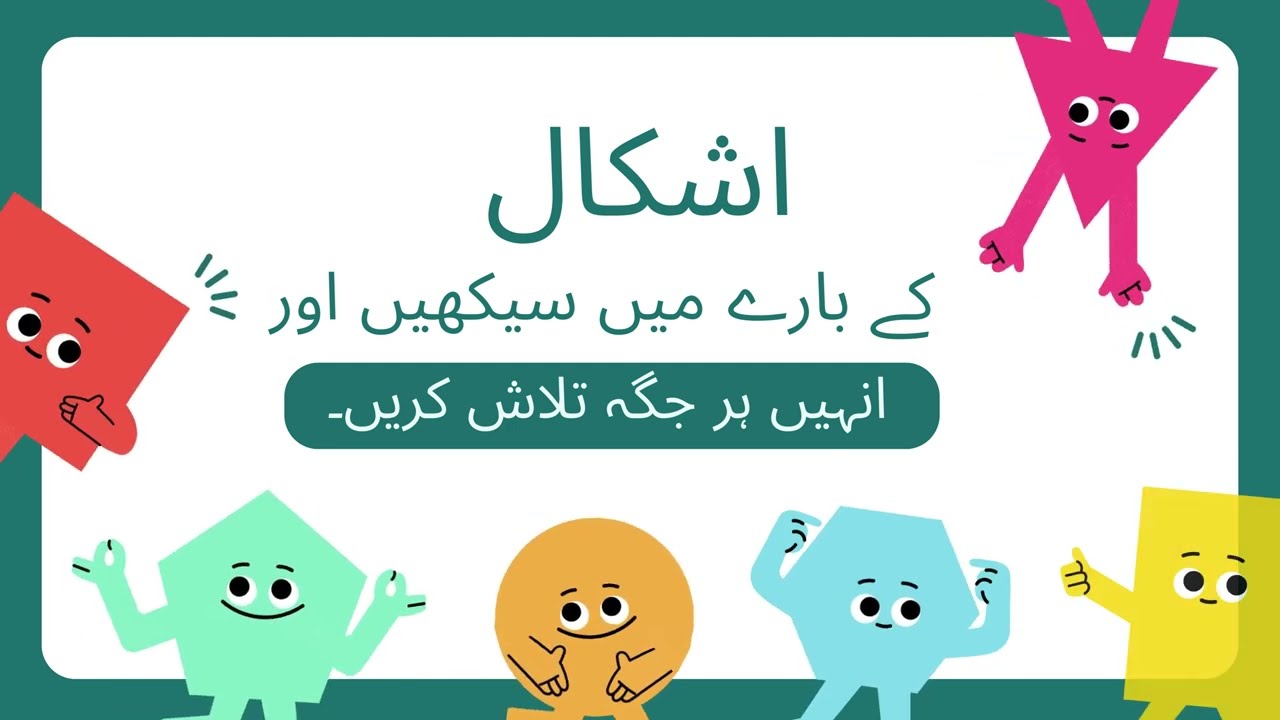
Discovering the World of Shapes: An Entertaining Learning Experience for Children
Shapes are all around! From the circular wheels on a car to the square doors on our houses, the world is full of interesting geometric shapes. Shapes are the foundation of the world around us, making up everything from nature to buildings. Being able to identify and understand various shapes is an important element of early childhood education, assisting children in developing visual perception and sense of space.
By BrandSoft Solutions11 months ago in Education
Prevention First: How Proactive Medical Care Builds Stronger Communities
Preventive medical care plays a critical role in shaping healthier communities. When people receive care before illness develops, they avoid many severe conditions. This approach improves quality of life and reduces strain on healthcare systems. Moreover, prevention supports long-term wellness rather than short-term treatment. Communities that prioritize preventive care experience lower rates of chronic disease. As a result, individuals remain active and productive. Preventive care, therefore, serves as the foundation for sustainable public health.
By St. John's Community Health7 days ago in Education
Starting Strong: Learning the Basics of Investment Management
Investment management involves managing money set aside to grow over time. It is about deciding how and where to put money so that it earns more in the future. This process includes choosing among options such as stocks, bonds, or real estate. It also involves planning how long to hold these investments and how to react when markets change. For beginners, learning about investment management is the first step toward gaining control over their financial future.
By Winston Feng6 days ago in Education


Comments (1)
What a great adventure. Great work