
Antique Furniture Styles: A Journey Through Baroque, Rococo, and Neoclassical Designs
Exploring the Evolution of Elegance, Opulence, and Simplicity in Historical Furniture Design
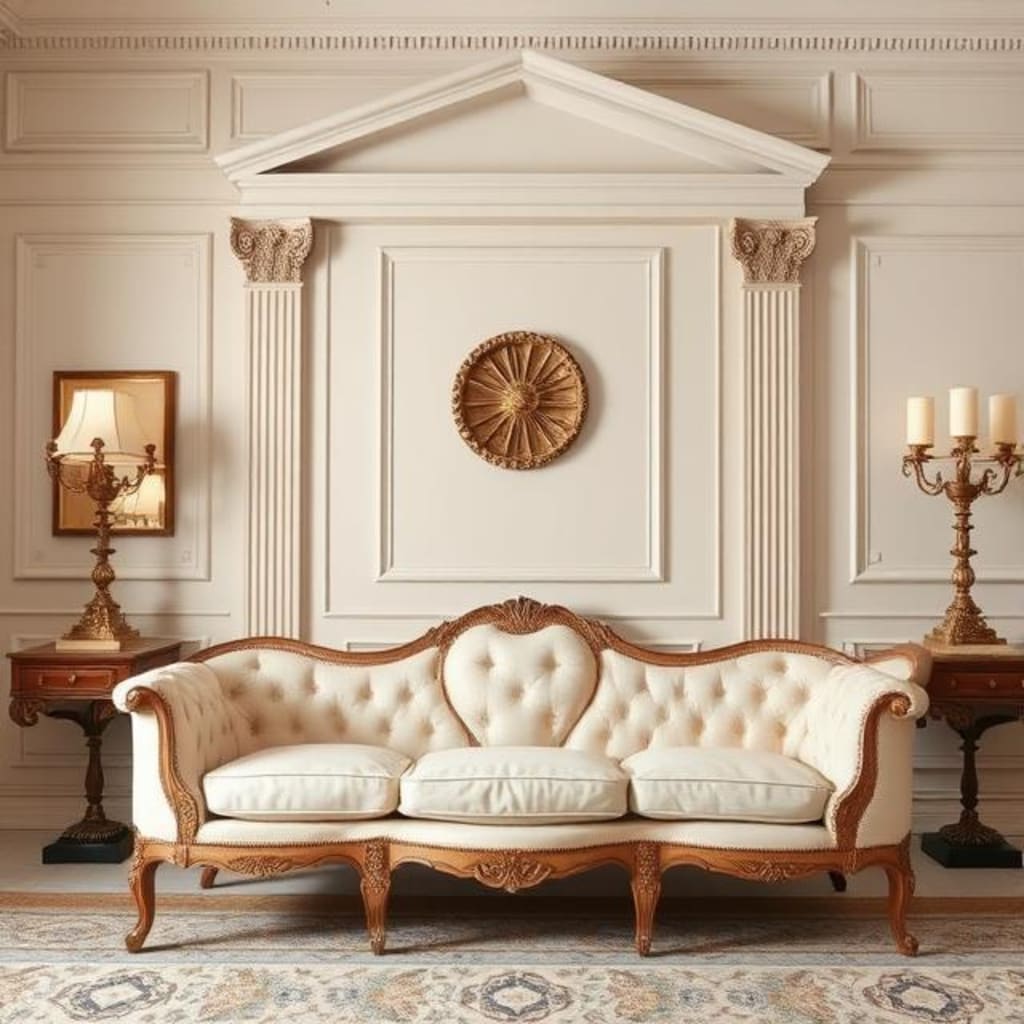
Antique furniture serves as a time capsule, reflecting the evolving tastes, cultural shifts, and artistic movements of different historical periods. Among the most iconic and influential furniture styles are Baroque, Rococo, and Neoclassical, each representing a distinct era and aesthetic in the 17th and 18th centuries. These three styles are celebrated for their craftsmanship, attention to detail, and the way they convey the values and tastes of their respective times.
Baroque: A Symphony of Drama and Grandeur
The Baroque style emerged in the early 17th century, primarily in Italy, and quickly spread across Europe. Characterized by bold, dramatic, and grandiose designs, Baroque furniture was crafted to evoke a sense of awe and display the power and wealth of its patrons, including monarchs and the clergy. The furniture from this period is often large, heavy, and imposing, designed to fill expansive rooms and make a strong visual impact.
Baroque furniture is known for its intricate carvings, often depicting elaborate scenes from nature or religious themes, as well as ornate detailing such as gilding and marble inlays. Curves are common in Baroque pieces, but they are used in a way that adds a sense of drama and movement to the furniture. Deep, rich colors like dark wood tones, gold, and rich upholstery fabrics—often velvet or brocade—enhance the luxurious nature of the pieces.
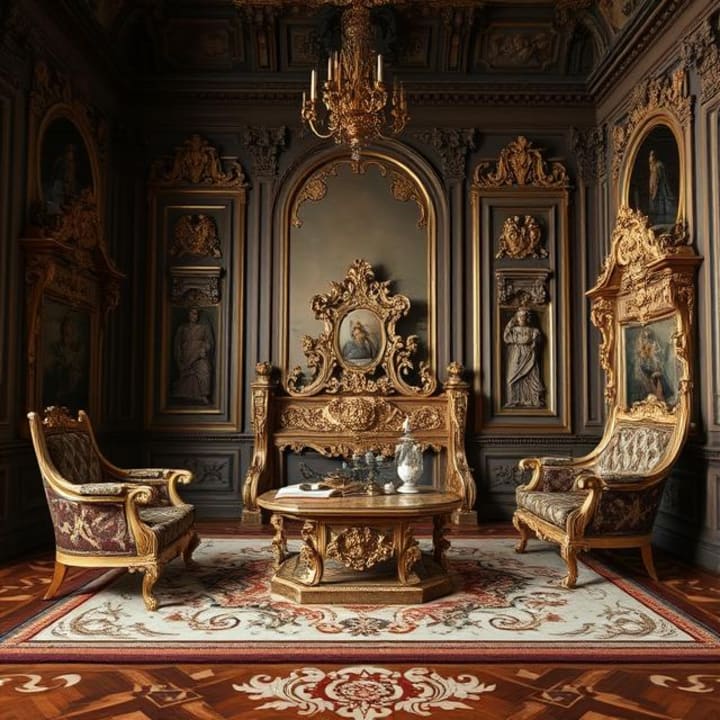
The materials used in Baroque furniture, such as walnut, oak, and ebony, were often embellished with gold leaf, ormolu (gilded bronze), or marble, further emphasizing the opulence of the period. The designs, while bold and intricate, still maintained a sense of formality and power, making Baroque furniture a reflection of the grandeur of the European monarchies at the time.
Rococo: Lightness, Elegance, and Playfulness
Rococo, which emerged in the 18th century as a reaction against the grandiosity of Baroque, is often described as an exuberant and decorative style that embraces elegance and lightness. This style flourished in France and quickly spread to other parts of Europe, reflecting the more playful, luxurious, and carefree attitudes of the time, particularly during the reign of Louis XV. Rococo furniture is characterized by its intricate, asymmetrical designs and delicate curves, which contrast sharply with the heavier, more formal lines of Baroque.
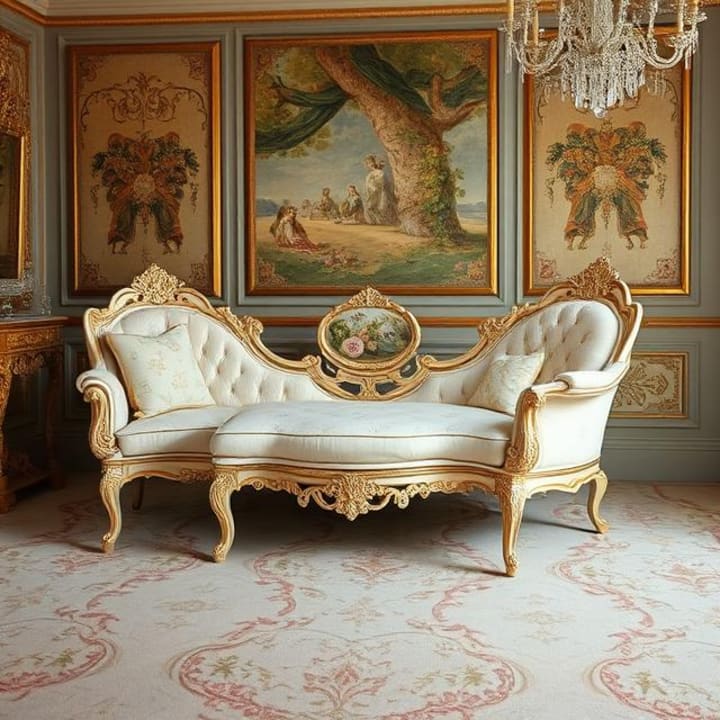
Rococo pieces are often adorned with elaborate carvings of floral motifs, scrolls, and seashells. The furniture tends to have a lighter, more refined feel, with a preference for pastel colors such as soft pinks, light blues, and pale greens. The detailing on Rococo furniture is highly decorative, including gilded accents, fine upholstery, and delicate inlays. The forms of Rococo furniture are often playful, with whimsical flourishes and an emphasis on comfort and luxury, inviting relaxation and leisure.
In contrast to the imposing Baroque designs, Rococo furniture was made to be more intimate and accessible. It reflected the desire for elegance without the formality, creating a more personal and inviting atmosphere in the home. Softer, flowing lines were used to convey a sense of ease, while still maintaining a high level of artistic craftsmanship.
Neoclassical: Simplicity, Order, and Refined Elegance
The Neoclassical style emerged in the late 18th century as a direct response to the extravagance and ornamentation of Baroque and Rococo. Inspired by the ideals of ancient Greece and Rome, Neoclassical furniture focused on simplicity, symmetry, and proportion. This style sought to return to the clean, orderly lines of classical antiquity, celebrating the values of rationality, balance, and refinement.
Neoclassical furniture is distinguished by its straight lines, simple yet elegant shapes, and restrained decoration. The designs often incorporate classical motifs such as columns, laurel wreaths, and medallions, evoking the architecture and sculptures of ancient Greece and Rome. Unlike Baroque and Rococo, which relied heavily on intricate ornamentation, Neoclassical furniture embraced simplicity, using lighter woods such as maple, mahogany, and satinwood, often with muted colors or simple finishes.
The emphasis in Neoclassical furniture is on proportion and harmony, with clean, geometric shapes and well-balanced designs. The formality of the earlier styles is replaced by an understated elegance, where every piece of furniture has a purpose and fits seamlessly within the overall design of a room. This style was popularized during the Enlightenment period, reflecting the growing interest in classical knowledge, philosophy, and aesthetics.
Conclusion: The Evolution of Taste and Craftsmanship
Baroque, Rococo, and Neoclassical furniture each represent a unique period in design history, showcasing how furniture design evolved alongside shifting cultural, political, and philosophical currents. Baroque furniture conveyed power and drama, Rococo embraced lightness and elegance, while Neoclassical focused on simplicity and balance. These styles not only reflect the artistic movements of their time but also offer valuable insights into the values, aesthetics, and craftsmanship of the past.
As time passed, each style influenced the next, creating a continuum of design that laid the foundation for many modern furniture styles. Today, these antique furniture pieces continue to captivate collectors and design enthusiasts, offering timeless beauty and a link to the rich history of European craftsmanship.
About the Creator
Keep reading
More stories from Opaa Homes and writers in Education and other communities.
The Journey of a Classic: From Concept to Creation
The creation of a timeless piece of furniture is an intricate dance between creativity and craftsmanship, where each step in the process is essential to the final outcome. This journey begins with a spark of inspiration, often driven by the need to combine both functionality and beauty. Designers seek to craft pieces that not only serve a practical purpose but also become iconic representations of design. The first phase of this journey is one of exploration and imagination.
By Opaa Homes11 months ago in Education
The Education Situation: A Small Rant
A note: This is meant to be only a description of my thoughts and feelings towards education and my reflections on leaving the teaching profession. I understand every school/district/state/etc. is different, I am simply sharing my experiences having been a young teacher for 4 years here in Florida. For any other struggling teacher who reads this, you are not alone. I only set out to share my perspective with others who can relate and understand and to vent my frustration about a system that chewed me up and spit me out.
By Elise Spillera day ago in Education
The Rise of Online Learning in Education
Online learning has become a fundamental part of education. Many institutions now view it as essential: one report notes that 65% of colleges consider online programs critical to their strategic plans. This shift is driven by both technological advances and changing learner needs. Surveys confirm strong student demand for digital options – for example, a study found that 95% of undergraduates wanted at least one online course per semester. In other words, schools are expanding online offerings because doing so improves access and meets modern expectations, all while maintaining high-quality instruction.
By Kashif Khan6 days ago in Education


Comments
There are no comments for this story
Be the first to respond and start the conversation.