
Engaging Active Learners: Integrated Learning Strategies
Education
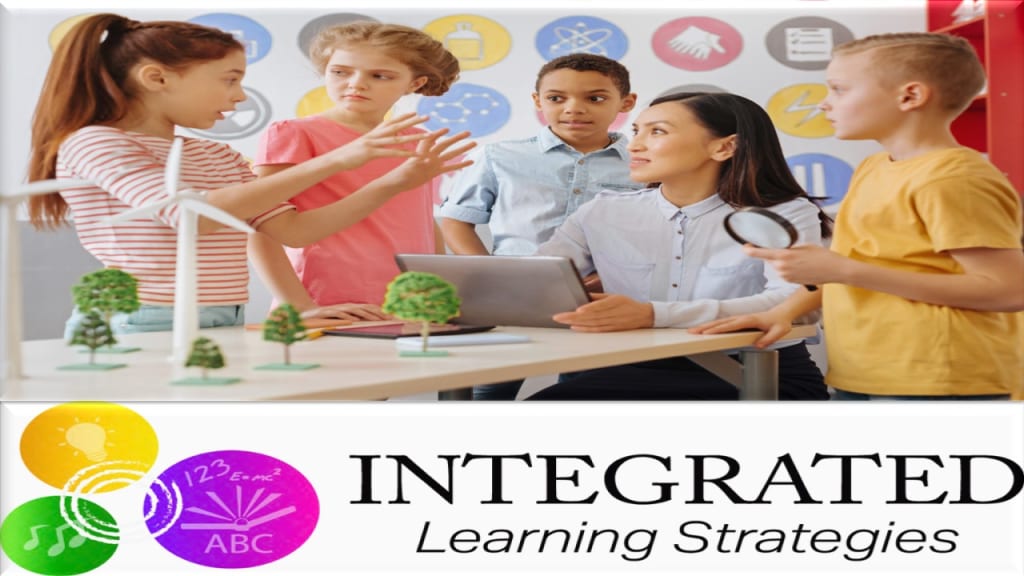
Engaging Active Learners: Integrated Learning Strategies
In the dynamic landscape of education, the focus has shifted from passive rote learning to fostering active engagement among students. Active learners are not mere recipients of information but active participants in their learning journey. To cater to their diverse learning styles and needs, educators have adopted Integrated Learning Strategies. This approach combines a variety of teaching methods, tools, and activities to create a stimulating and immersive learning experience for students. In this write-up, we explore the significance of engaging active learners through Integrated Learning Strategies.
Understanding Integrated Learning Strategies:
Integrated Learning Strategies entail a deliberate combination of multiple instructional techniques to enhance students' understanding and retention of the subject matter. These strategies leverage various learning modalities such as visual, auditory, kinaesthetic, and social, recognizing that students have different preferences and strengths when it comes to learning.
1. Multimodal Teaching:
Integrated Learning Strategies promote the use of multimedia tools and resources in the classroom. Rather than relying solely on traditional lectures, educators incorporate visuals, audio, and interactive elements into their lessons. This allows students to process information through different sensory channels, increasing their comprehension and knowledge retention. For instance, using videos, animations, and infographics to explain complex concepts can make learning more accessible and engaging for visual learners.
2. Project-Based Learning:
Project-based learning encourages students to delve into real-world problems and challenges. By working on extended projects, students can apply theoretical knowledge to practical situations, fostering a deeper understanding of the subject matter. This approach also nurtures critical thinking, problem-solving skills, and teamwork, as students collaborate to find innovative solutions to authentic problems.
3. Active Discussions and Debates:
Incorporating active discussions and debates into the learning process can stimulate intellectual curiosity and encourage students to articulate their thoughts effectively. These discussions enable students to explore diverse perspectives and develop their analytical abilities. By engaging in thoughtful debates, learners can deepen their understanding of complex issues and refine their reasoning skills.
4. Hands-On Experiments:
For subjects like science and mathematics, hands-on experiments play a crucial role in engaging active learners. Performing experiments not only reinforces theoretical knowledge but also allows students to make connections between theory and practice. This interactive approach can kindle a sense of curiosity and wonder, motivating students to explore further into the subject matter.
5. Gamification:
Gamification involves introducing game-like elements into the learning process to boost student engagement and motivation. Educational games and interactive quizzes can transform the learning experience into an enjoyable activity. By earning points, badges, or rewards, students are incentivized to actively participate and excel in their studies.
6. Flipped Classroom Model:
The flipped classroom model reverses the traditional approach to learning. Students are assigned pre-recorded lectures or study materials to review at home, and classroom time is dedicated to discussions, problem-solving, and activities. This way, students engage with the material beforehand and come prepared to apply their knowledge, fostering a more interactive and collaborative learning environment.
7. Field Trips and Guest Speakers:
Integrated Learning Strategies involve incorporating real-life experiences into the curriculum. Field trips to museums, historical sites, or industries related to the subject matter can provide valuable context and make learning more tangible. Inviting guest speakers from relevant professions can also offer insights into practical applications and career opportunities, inspiring students in their learning journey.
Benefits of Integrated Learning Strategies:
1. Increased Engagement: By catering to different learning styles, Integrated Learning Strategies capture the interest and attention of a broader range of students, keeping them motivated and engaged.
2. Enhanced Understanding: The combination of multiple teaching methods deepens students' understanding of the subject matter, promoting better knowledge retention.
3. Foster Creativity and Critical Thinking: Through hands-on activities and real-world challenges, Integrated Learning Strategies encourage creative thinking and problem-solving skills.
4. Personalized Learning: By acknowledging individual learning preferences, educators can create a more personalized learning experience for each student.
5. Better Information Processing: The use of multimedia elements aids in better information processing and conceptualization of complex ideas.
6. Lifelong Learning: By making learning enjoyable and relevant, Integrated Learning Strategies instil a love for learning, encouraging students to pursue knowledge beyond the classroom.
In conclusion, engaging active learners through Integrated Learning Strategies is a transformative approach to education. By combining various teaching methods, educators can create a vibrant and dynamic learning environment that empowers students to take charge of their education actively. As we continue to explore innovative ways to nurture young minds, Integrated Learning Strategies prove to be an invaluable tool in preparing students for a successful and fulfilling future.
About the Creator
Keep reading
More stories from Olanrewaju IsaacJoseph and writers in Education and other communities.
Using Educational Toys for Improved Attention and Focus in The Classroom - Integrated Learning Strategies.
Using Educational Toys for Improved Attention and Focus in The Classroom - Integrated Learning Strategies. In today's fast-paced world, attention and focus have become essential skills for success in academics and beyond. As educators strive to create engaging learning environments, the integration of educational toys has emerged as a valuable tool to enhance students' attention and focus in the classroom. These toys not only add an element of fun to the learning process but also serve as powerful tools to reinforce lessons and foster holistic development. This writeup explores the benefits of incorporating educational toys into the classroom to promote better attention and focus while adopting an Integrated Learning Strategies approach.
By Olanrewaju IsaacJoseph3 years ago in Education




Comments
There are no comments for this story
Be the first to respond and start the conversation.