
"Empowering Women in Education"
Closing the Gender Gap
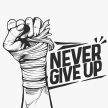

In the realm of education, the quest for gender equality has been both a journey and a destination. Across the globe, efforts to empower women in education have aimed not only to close the gender gap but also to foster a more inclusive and equitable society. From grassroots initiatives to policy reforms, various approaches have been employed to ensure that women and girls have equal access to educational opportunities and are encouraged to pursue their academic and professional aspirations without barriers.
In many parts of the world, traditional cultural norms and economic disparities have historically restricted women's access to education. However, over the past few decades, significant strides have been made to challenge these barriers and create pathways for women to thrive academically. One such initiative is the promotion of girls' education at the primary and secondary levels. By investing in programs that prioritize girls' enrollment and retention in schools, communities can break the cycle of generational poverty and promote economic independence among women.
Moreover, initiatives focused on higher education have also played a pivotal role in empowering women. Scholarships, grants, and mentorship programs aimed specifically at women have provided them with the necessary resources and support to pursue degrees in fields traditionally dominated by men, such as science, technology, engineering, and mathematics (STEM). These efforts not only empower women to pursue their passions but also contribute to diversifying the talent pool in these critical sectors.
In addition to access, the quality of education received by women is equally crucial in closing the gender gap. Reforming curricula to be more inclusive of women's contributions to history, science, and literature helps challenge stereotypes and biases from an early age. By presenting diverse role models and narratives, educators can inspire young girls to envision themselves as leaders and change-makers, paving the way for future generations of empowered women.
Beyond academics, extracurricular activities and leadership opportunities are instrumental in fostering confidence and leadership skills among young women. Programs that encourage girls to participate in sports, arts, debate clubs, and student government not only enhance their overall educational experience but also prepare them for future challenges in their personal and professional lives. Through these activities, girls learn important skills such as teamwork, resilience, and critical thinking, which are essential for success in any field.
On a global scale, international organizations and partnerships have been instrumental in advocating for women's rights to education. Initiatives like the United Nations Sustainable Development Goals (SDGs), specifically Goal 4 (Quality Education) and Goal 5 (Gender Equality), have provided a framework for countries to prioritize gender-responsive education policies and programs. By aligning national agendas with these global commitments, governments can accelerate progress towards closing the gender gap in education and ensuring equal opportunities for all.
Despite these advancements, challenges remain in achieving full gender equality in education. Socioeconomic factors, cultural norms, and political instability continue to pose significant barriers to girls' education in many regions. Addressing these challenges requires a coordinated effort involving governments, civil society organizations, and the private sector to implement sustainable solutions and ensure that no girl is left behind.
Looking ahead, the journey towards empowering women in education must continue to evolve. It requires ongoing investment in educational infrastructure, teacher training, and community engagement to create supportive environments where girls can thrive academically and socially. It also calls for policies that protect girls from discrimination, violence, and early marriage, ensuring their right to a safe and inclusive learning environment.
In conclusion, empowering women in education is not just about closing the gender gap; it is about creating a more just and equitable world where every individual has the opportunity to reach their full potential. By investing in girls' education and supporting their aspirations, we can build a future where women are leaders, innovators, and changemakers in their communities and beyond.
About the Creator
Dharanidharan T
"From adversity to achievement, my journey is a testament to resilience and growth. Join me as I share my story of overcoming challenges and embracing success, inspiring others along the the way".
Keep reading
More stories from Dharanidharan T and writers in Education and other communities.
Unlocking Potential
In the vibrant town of Techville, a place renowned for its embrace of technology, students eagerly anticipated the start of a new school year. Among them were two close friends, Lily and Max, who had recently received their very first mobile phones as rewards for their outstanding academic achievements. Little did they know that these small devices would soon play a significant role in their educational journeys.
By Dharanidharan T 2 years ago in Education
Using 3D Laser Scanning for Accurate Facility Upgrade and Renovation Planning
Facility upgrades and renovation projects require precise knowledge of existing building conditions. Many older facilities lack reliable documentation, and outdated drawings can lead to design conflicts, costly change orders, and construction delays.
By Matt Sharon2 days ago in Education
Building Stronger Teams Through Diversity
Diversity in the workplace is more than a trend. It is a key part of building strong and creative teams. Companies today serve people from many cultures, backgrounds, and life experiences. Because of this, businesses need teams that reflect the world around them.
By Aaron Khieu6 days ago in Education




Comments
There are no comments for this story
Be the first to respond and start the conversation.