
Emotional Intelligence in the Digital Age: How Understanding Human Emotions Shapes Email Marketing and Digital Success
Why emotional intelligence is the missing skill in computer-driven industries and how it can transform email marketing strategies.

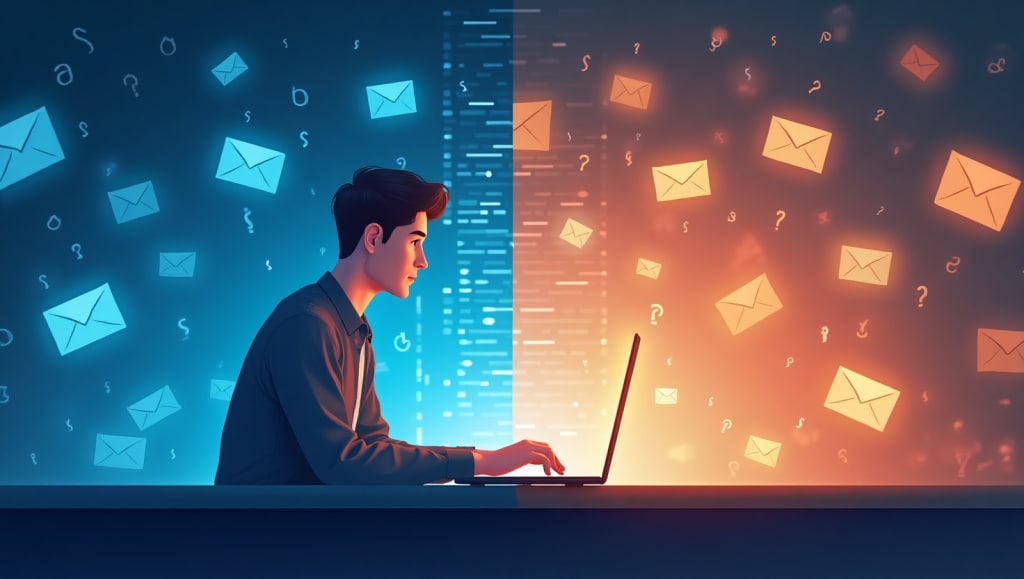
Introduction
We live in a digital-first world, where computer skills and artificial intelligence (AI) are celebrated as the ultimate keys to professional success. Yet, even in this age of advanced algorithms and automation, one human skill remains irreplaceable: emotional intelligence (EI).
Emotional intelligence—the ability to recognize, understand, and manage emotions in ourselves and others—plays a surprising role in industries driven by data and technology. From writing more engaging email campaigns to improving customer experience, EI bridges the gap between cold algorithms and warm human connections.
This article explores how emotional intelligence shapes digital communication, why it is critical in email marketing, and how developing both computer skills and EI can accelerate your professional growth in today’s competitive landscape.
What Is Emotional Intelligence?
Emotional intelligence is often broken down into four key areas:
- Self-awareness – Recognizing your own emotions and their impact on your decisions.
- Self-management – Controlling impulses, adapting to change, and staying motivated.
- Social awareness – Understanding the emotions of others (empathy).
- Relationship management – Building trust, resolving conflict, and inspiring people.
While EI was once seen as a “soft skill,” research shows that it directly influences leadership, communication, and even marketing effectiveness.
Why Emotional Intelligence Matters in the Digital Era
In the world of computers, coding, and data, you might assume emotions don’t matter. But behind every click, open rate, and conversion is a human being making a decision based on feelings, not just logic.
- AI can analyze data, but it cannot feel.
- Computer skills can create systems, but not connections.
- Marketing automation can deliver emails, but only EI makes them resonate.
This is why EI has become the secret competitive edge in industries where technology dominates.
The Hidden Connection: Emotional Intelligence and Email Marketing
Email marketing remains one of the most powerful digital tools, with over 4.5 billion daily email users worldwide. Yet, the difference between an email that gets ignored and one that sparks action often comes down to emotional resonance.
Here’s how EI impacts email marketing:
- Subject Lines That Spark Curiosity
- Emotional intelligence helps marketers choose words that trigger excitement or empathy.
- Example: “Are you missing this opportunity?” feels more personal than “Don’t forget our sale.”
2. Personalization That Feels Human
- While computers handle personalization at scale, EI ensures it doesn’t feel robotic.
- Instead of “Hello [FirstName], here’s a discount,” emotionally intelligent campaigns might say:
- “We know it’s been a tough week—here’s something to brighten your day.”
3. Storytelling That Builds Trust.
- Emails grounded in empathy and shared struggles feel authentic.
- EI enables marketers to write stories that touch emotions, not just push products.
For example, many email marketers use tools like GetResponse to automate their campaigns.
Case Study: Emotional Intelligence in Action
Imagine two email campaigns sent to the same audience:
Campaign A (Data-driven only):
- Subject: 25% off today only!
- Body: Click here to buy now.
Campaign B (EI + Data):
Subject: A little gift to brighten your day.
Body: We know times are challenging. That’s why we’re offering you 25% off today—because you deserve something that makes you smile.
Both use the same computer-driven tools, but Campaign B connects emotionally. Not surprisingly, studies show emotionally intelligent campaigns achieve higher open rates and conversions.
How Computer Skills and EI Work Together
To thrive in digital industries, professionals need both hard skills (computer literacy) and soft skills (emotional intelligence).
- Computer Skills: Writing code, managing databases, designing websites, automating email lists.
- EI Skills: Crafting empathetic subject lines, writing human-centered copy, and understanding customer pain points.
For example:
- A developer with EI can build user-friendly systems that feel intuitive.
- A marketer with EI can design email flows that feel personal, not automated.
- A data analyst with EI can interpret numbers in ways that connect to real human behaviors.
Together, these create a powerful mix of technical precision + human connection.
How to Improve Your Emotional Intelligence for Digital Success
1. Practice Active Listening
– Listen more than you talk, whether with colleagues, clients, or customers.
2. Use Empathy in Writing
– Before sending an email, ask: “How will this message make the reader feel?”
3. Balance Logic and Emotion
– Don’t rely on data alone—consider the emotional journey of your audience.
4. Develop Self-Awareness
– Understand how your mood affects your tone in digital communication.
5. Leverage Computer Tools with Humanity
– Use AI and email automation not as replacements for empathy, but as tools to enhance it.
Why This Matters for the Future of Work
As automation and AI take over routine tasks, what remains uniquely human is our ability to connect emotionally. Employers are already ranking emotional intelligence as one of the top skills for 2030.
In marketing, this translates into stronger campaigns. In leadership, it means inspiring teams. In digital industries, it means designing experiences that people trust and love.
The future belongs to those who combine technical expertise with emotional depth.
Conclusion
In a world dominated by computers and data, emotional intelligence is the hidden skill that makes digital professionals stand out. Whether you’re crafting an email marketing campaign, coding a new platform, or leading a remote team, your ability to understand emotions determines your impact.
Master your computer skills, but don’t forget to nurture your emotional intelligence. Because behind every screen is a human heart—and it takes both logic and empathy to truly connect.
About the Creator
Muhammed Ismail
Muhammed Ismail, I am a web developer. I love writing about new technologies and anything new in life.
Visit my blog for more details about my work.
http://buymeacoffee.com/devismail
Keep reading
More stories from Muhammed Ismail and writers in Education and other communities.
When Customers Are Scared: How Emotional Intelligence Shapes the Future of Email Marketing
Introduction: Reading the Room in Uncertain Times The global economy has always moved in cycles, but today’s consumer behavior reflects something deeper than numbers on a chart. Across industries, consumer confidence is declining. People are worried about their jobs, rising costs of living, and the uncertainty of what tomorrow might bring. In this environment, trust is no longer optional—it is the single most valuable currency a brand can hold.
By Muhammed Ismail5 months ago in Education
How Holistic Planning Supports Sustainable Development and Long-Term Growth
In today's business environment, holistic planning is essential for organizations seeking to balance growth and sustainability. This approach integrates various aspects of business planning, including environmental, social, and economic considerations. By taking a comprehensive view, businesses can create strategies that support sustainable development while driving long-term growth. In this article, we will discuss how holistic planning fosters sustainability and lays the foundation for continuous business success.
By James Burleson5 days ago in Education


Comments
There are no comments for this story
Be the first to respond and start the conversation.