

This case study examines the transformative journey of a prominent author during a pivotal period in his career. It explores how embracing boldness and resisting conventional pressures contributed to the creation of a groundbreaking book. The subject's experience underscores the importance of confidence, resilience, and adherence to personal vision in achieving significant success.
Introduction
The author, Robert Greene, faced significant personal and professional challenges while writing The 48 Laws of Power. At the time, he was in his mid to late 30s, experiencing financial difficulties and living in a modest apartment in Santa Monica. This period of adversity set the stage for a crucial lesson in boldness and perseverance.
Methodology
To understand Greene's approach, we analyze his experiences with the book's development and reception. Key elements include interactions with his partner, the book’s packaging, and the challenges faced with publishers. The study focuses on Greene's responses to criticism and his commitment to maintaining the book's original structure.
Results
1. Initial Challenges and Support: Greene's collaboration with Yoastelfers, a skilled designer and packager, was instrumental in the book’s development. Despite Greene's initial low point, Yoastelfers' support was crucial. Greene's experience with boldness, a principle he had observed in successful individuals, influenced his approach to writing and presenting the book.
2. Boldness in Creation: Greene’s commitment to originality was evident in the unique structure of The 48 Laws of Power. The book's unconventional format, which deviated from traditional narrative structures, faced skepticism from both personal acquaintances and the publisher.
3. Publisher’s Reactions: When presented to Penguin's editor, the book was met with criticism regarding its unconventional format. The editor suggested a revision that would streamline the content into a more conventional narrative. Greene, however, chose to reject this advice, firmly believing in his original vision.
4. Defiance and Outcome: In response to the publisher’s pressure, Greene and Yoastelfers took a bold stance, offering to return the advance if the publisher did not accept the book as it was. This assertive move led the publisher to reconsider, ultimately accepting the book in its original form.
5. Impact and Lessons: The 48 Laws of Power achieved substantial success, validating Greene's approach. His experience demonstrates the critical role of boldness and self-confidence in overcoming obstacles. Despite previous failures and criticism, Greene’s decision to stay true to his vision was a key factor in the book’s success.
Discussion
This case highlights several important lessons:
· Boldness and Confidence: Greene’s experience illustrates that boldness, coupled with a deep understanding of one’s craft, is crucial for overcoming adversity and achieving success.
· Resilience Against Criticism: The ability to withstand criticism and maintain a commitment to one's original vision can lead to significant achievements, even in the face of substantial opposition.
· Experience and Skill: Greene’s success was not solely a result of boldness but also of accumulated experience and skill. His background in journalism and his extensive research provided a foundation for his confidence and innovation.
Conclusion
Robert Greene's journey in writing The 48 Laws of Power underscores the importance of embracing boldness, staying true to one's vision, and leveraging experience and skill. This case study serves as a valuable example for individuals facing similar challenges, illustrating how confidence and resilience can lead to extraordinary success despite initial setbacks and external pressures.
About the Creator
Keep reading
More stories from Isaac Adebiyi and writers in Education and other communities.
The Path of a Fulfilling and Healthy Life
In a quiet town nestled between rolling hills, lived a woman named Abike who had always been devoted to her work, family, and friends. For years, she juggled responsibilities with a mix of passion and exhaustion, often neglecting her own health. It wasn’t until Abike was diagnosed with three autoimmune diseases that her world shifted dramatically. Suddenly, she found herself grappling with a new reality where her well-being became the linchpin for her family's happiness and stability.
By Isaac Adebiyiabout a year ago in Lifehack
Why Mentoring Clinicians Is Key to Sustainable Patient-Centered Innovation
Clinician mentorship shapes the foundation for long-term, patient-centered innovation by strengthening skills, encouraging creative problem-solving, and building confidence across healthcare teams. Experienced mentors guide clinicians through complex decision-making while helping them understand how innovation grows from everyday patient interactions.
By Dr. Janet Chollet3 days ago in Education
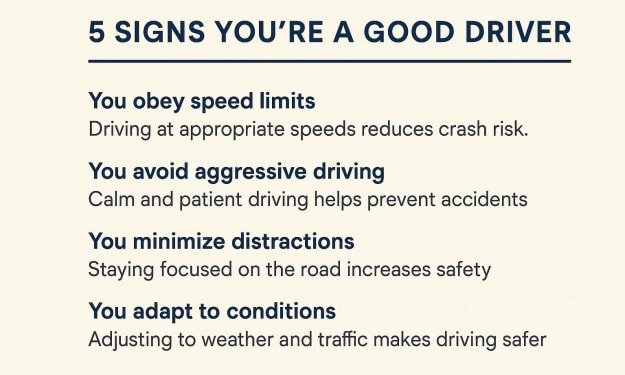
5 signs you're a good driver
As one of the agency’s best employees, you’ve been selected as a finalist to potentially take on a new top-secret mission. You've already shown your aptitude for surveillance and disguise, but the agency is looking to test one last critical skill: how well you can drive. To prove yourself, you’ll need to complete a series of complicated challenges behind the wheel. As the test begins, you notice that the distances between yourself and the cars around you are being meticulously monitored. One of the most widely recommended strategies when it comes to safe driving
By Munesh Yadav11 minutes ago in Education
Thoughts on Vocal and the way the world is
"Death cannot stop true love, only delay it." – Wesley in The Princess Bride. I decided to come back to Vocal on a very cold and dark night at the end of December. I had been, and still am, convalescing from a horrible staph infection that had gone misdiagnosed for months. This, paired with the increasing challenges of being healthy, making the best choices for my co-parented child, being a wife, and being a director at a new job, was a lot to manage.
By Jazzy 6 days ago in Confessions



Comments
There are no comments for this story
Be the first to respond and start the conversation.