
Elon Musk’s Starlink: A New Era of Global Broadband Access
Inside the Business Model, Technology, and Global Impact of Starlink

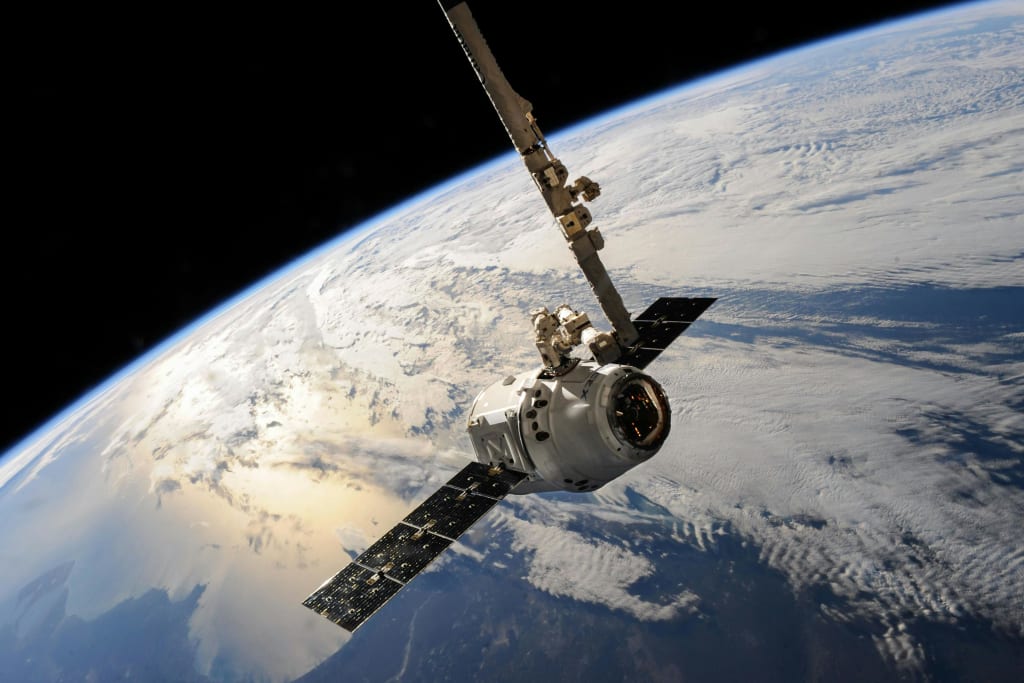
In an age where internet connectivity underpins everything from education and healthcare to commerce and communication, the digital divide remains a stark global challenge. While urban centers enjoy high-speed internet and 5G capabilities, many rural and remote regions remain digitally isolated. Elon Musk's Starlink project, a venture under SpaceX, aims to close this gap by deploying a vast constellation of low Earth orbit (LEO) satellites designed to deliver high-speed broadband across the globe. But can it truly democratize access to the internet, or will it become another tool that reinforces existing inequalities?
Launched in 2015, Starlink's mission is as ambitious as it is futuristic. The idea is simple but groundbreaking: provide reliable internet coverage to every corner of the Earth via thousands of small satellites orbiting much closer to the planet than traditional geostationary satellites. These LEO satellites reduce latency and improve bandwidth, making them suitable for real-time applications like video calls, online gaming, and remote education.
As of early 2025, Starlink has launched over 5,000 satellites, with thousands more approved by regulatory bodies. The service is already operational in dozens of countries, with plans for global coverage within the next few years. Users only need a Starlink terminal—a satellite dish and modem—to connect, a setup that has become increasingly compact and user-friendly over time.
The promise of Starlink lies in its potential to transform lives in underserved regions. In areas where laying fiber-optic cables is logistically or economically unfeasible, satellite internet becomes a lifeline. From Arctic researchers and rural farmers to students in mountainous villages, early adopters of Starlink have reported significant improvements in connectivity and quality of life. Governments and NGOs see it as a potential partner in digital inclusion initiatives.
However, the path to democratizing the internet through Starlink is not without obstacles. The cost of the hardware and monthly subscription remains high for many users in developing countries, where average incomes may not support such an expense. While Starlink has made strides in reducing equipment costs and offers subsidized rates in select markets, affordability remains a critical barrier.
Moreover, the technological and regulatory landscape presents additional challenges. Coordinating thousands of satellites requires robust space traffic management to prevent collisions and mitigate space debris. Astronomers have also raised concerns about light pollution caused by the bright satellites interfering with celestial observations. Meanwhile, spectrum allocation and regulatory approvals vary by country, affecting Starlink's ability to operate uniformly across borders.
Critics also argue that while Starlink addresses the physical problem of access, it does not necessarily resolve deeper systemic issues related to digital equity. Factors such as digital literacy, local content availability, and device accessibility play equally vital roles in enabling meaningful internet use. Without concurrent investments in education, infrastructure, and local ecosystems, Starlink's connectivity might not translate into tangible benefits for marginalized populations.
Despite these hurdles, Starlink continues to evolve. SpaceX is developing next-generation satellites equipped with inter-satellite laser links, allowing them to transfer data directly to each other in space rather than routing it through ground stations. This innovation promises even faster speeds and broader coverage, including remote maritime and aviation zones.
Elon Musk’s vision for Starlink is not just about providing internet but redefining how internet infrastructure works. By bypassing traditional ISPs and eliminating geographical constraints, Starlink represents a paradigm shift—one where the sky, quite literally, becomes the network. This decentralized model could increase competition in the telecom sector, potentially driving down costs and spurring innovation.
Furthermore, Starlink’s role in crisis response has already demonstrated its value. In war-torn Ukraine and disaster-stricken regions, Starlink has provided emergency connectivity when ground networks failed. Such deployments highlight its utility not only as a commercial service but as a critical infrastructure tool.
Looking ahead, the question is whether Starlink can scale responsibly and inclusively. Partnerships with governments, local businesses, and educational institutions will be essential. Subsidies, flexible pricing models, and integration with community programs could help make the service more accessible to low-income users.
In conclusion, Starlink is a bold attempt to reimagine global internet access, leveraging advanced space technology to bridge one of the 21st century’s most pressing divides. While it may not be a silver bullet, it is a significant step toward a more connected and equitable world. Its success will depend not only on technological execution but also on ethical considerations, collaborative governance, and a deep commitment to inclusivity.
The world is watching. If Starlink can overcome its challenges and stay true to its mission, it may well become one of the most transformative infrastructure projects of our time.
About the Creator
Am@n Khan
I'm educational storyteller passionate about turning knowledge into engaging narratives.
I write about topics like science, history and life skills.
Contact
WhatsApp : +923336369634
The Comfort of Arrival: Why Certain Destinations Instantly Feel Familiar
There are moments in travel that defy logic. You arrive in a place you have never visited before, step onto its streets, breathe in its air, and suddenly feel at ease. There is no adjustment period, no sense of being out of place. Instead, there is a quiet recognition, as if the destination has been waiting for you. This feeling of instant belonging is not accidental, nor is it purely romantic imagination. It is the result of emotional, cultural, psychological, and environmental factors working together to create a sense of home far from home.
By Producer James Simon6 days ago in Education
The Proven Natural Skincare Secret with Healthy Skin
Healthy skin does not come from harsh products or complicated routines. It comes from working with nature, not against it. The natural skincare secret that many people overlook is the power of raw honey as a daily skin ally. This simple ingredient has been used for generations, yet many still do not understand its effectiveness. When used correctly, raw honey can change how your skin looks and feels.
By Kelln Small6 days ago in Education


Comments
There are no comments for this story
Be the first to respond and start the conversation.