
Education in China: A Powerhouse of Scale, Ambition, and Transformation
The Dragon's Scholars: Ambitious Reforms Driving China's Knowledge Economy

Introduction
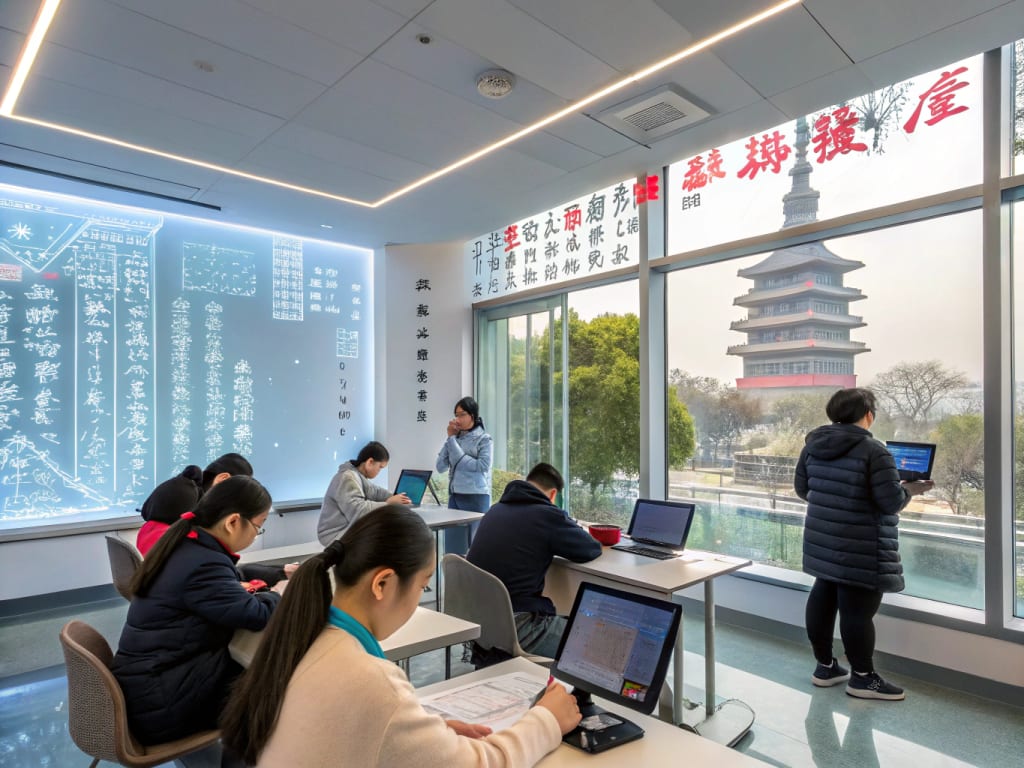
China’s education system, one of the largest in the world, serves over 250 million students and reflects the nation’s drive for global leadership. Rooted in a millennia-old reverence for learning, China has modernized its education to fuel economic growth and innovation. With a literacy rate of 99.8% (UNESCO, 2022) and top PISA rankings, China’s system is a blend of tradition and ambition. This post explores its structure, achievements, challenges, and future trajectory, offering a glimpse into a dynamic educational landscape.
The Structure of Chinese Education
China’s education follows a 6-3-3-4 model: six years of primary school, three years of junior secondary, three years of senior secondary, and four years of university. Compulsory education spans nine years, fully funded by the state, ensuring near-universal access. The Ministry of Education enforces a standardized curriculum emphasizing STEM, Chinese, and moral education. The Gaokao, China’s grueling college entrance exam, is a high-stakes gateway to higher education, with 13.4 million students competing in 2024 for limited university spots.
Achievements and Global Impact
China’s investment in education—4% of GDP annually—has driven its rise as a global superpower. Shanghai consistently ranks first in PISA assessments for math, reading, and science, showcasing academic excellence. Over 600,000 Chinese students study abroad annually, while domestic universities like Tsinghua and Peking rival global elites. The “Double First-Class” initiative aims to create 42 world-class universities by 2030. China’s focus on STEM has produced 4.7 million STEM graduates yearly, fueling industries like AI and tech, with companies like Huawei leading globally.
Cultural Drivers and Innovations
Confucian values emphasize education as a path to social mobility, creating intense academic competition. Urban centers like Beijing and Shanghai boast cutting-edge schools with smart classrooms and AI-driven learning platforms. Rural areas, though, lag behind, despite initiatives like the Rural Revitalization Strategy, which has built 10,000 schools since 2018. EdTech giants like VIPKid and Yuanfudao, valued at $15 billion, have democratized learning, with 80% of students using online platforms in 2024.
Challenges in the System
The Gaokao’s high stakes foster a pressure-cooker environment, with students averaging 12–14 hours of daily study. Mental health issues are rising, with a 2023 survey reporting 25% of students experiencing anxiety. Socioeconomic disparities persist; urban students access better resources than rural peers, where 30% of schools lack adequate facilities. The system’s focus on rote memorization over creativity is a concern, with only 1.4% of GDP spent on R&D compared to 2.8% in the U.S. (World Bank, 2022). Private tutoring, once a $120 billion industry, faced a 2021 crackdown to reduce student burdens, but underground tutoring persists.
Reforms and Future Vision
China’s Education Modernization 2035 plan aims to balance academic rigor with holistic development. Reforms include reducing Gaokao pressure by introducing comprehensive evaluations and expanding vocational education, with 40% of secondary students now in vocational tracks. AI and coding are integrated into curricula, with 500,000 schools teaching programming by 2025. Efforts to bridge urban-rural gaps include teacher training and digital infrastructure, with 98% of schools now internet-connected. Gender equity and inclusivity for migrant children are also priorities.
Conclusion
China’s education system is a juggernaut, blending scale, discipline, and innovation to shape a global powerhouse. While challenges like student stress and inequality persist, reforms signal a shift toward creativity and equity. As China aims to lead in technology and innovation, its education system will remain the backbone of its ambitions, preparing a generation to redefine the global stage.
Call to Action
How can China balance academic excellence with student well-being? Share your thoughts in the comments and join the discussion on shaping the future of education!
About the Creator
Arjun. S. Gaikwad
Truth Writing unveils reality beyond illusion, power, and propaganda words that awaken conscience and challenge comfort. Fearless, honest, and thought-provoking, it explores politics, humanity, and spirit to inspire awareness and change.
Reader insights
Nice work
Very well written. Keep up the good work!
Top insights
Compelling and original writing
Creative use of language & vocab
Easy to read and follow
Well-structured & engaging content
Masterful proofreading
Zero grammar & spelling mistakes
On-point and relevant
Writing reflected the title & theme
Keep reading
More stories from Arjun. S. Gaikwad and writers in Education and other communities.
Education in South Korea: A Beacon of Excellence Amidst Challenges
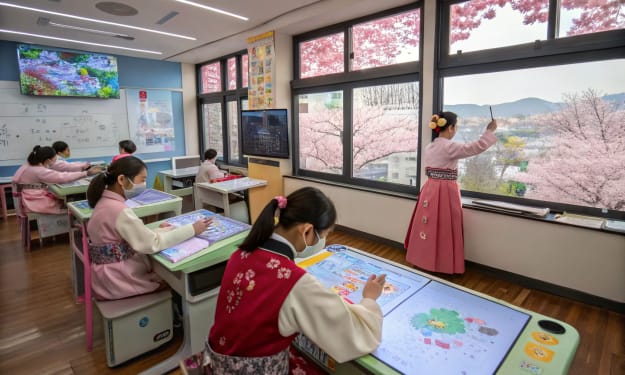
Introduction South Korea’s education system is a global benchmark, renowned for its academic rigor and remarkable outcomes. With a literacy rate of 98.8% and a top-tier ranking in the PISA assessments (7th globally in 2018), South Korea has transformed from a nation with a 22% literacy rate in 1945 to an educational powerhouse. This post explores the structure, strengths, challenges, and future of South Korea’s education system, offering insights into its role in shaping a dynamic society.
By Arjun. S. Gaikwad7 months ago in Education
How Intentional Listening Transforms Leadership and Team Excellence
Leadership has long been associated with decisiveness, direction, and the ability to articulate vision. While these qualities remain essential, the most effective leaders today are distinguished by a different capability: their ability to listen with intention. As workplaces become more collaborative and knowledge-driven, leadership success increasingly depends on understanding people rather than simply directing them. Intentional listening allows leaders to grasp not only what is being said, but also what remains unspoken. This deeper understanding strengthens relationships, improves decision-making, and fosters trust. In high-performing teams, listening is not passive but strategic, shaping how leaders connect with individuals and guide collective effort.
By Thomas Kuriakose, MD6 days ago in Education


Comments
There are no comments for this story
Be the first to respond and start the conversation.