
Easy Guide To Understand Sales Funnels — X2 Your Conversions
Minimum Distraction - Maximum Conversions - Guide to Build & Optimize Sales Funnels
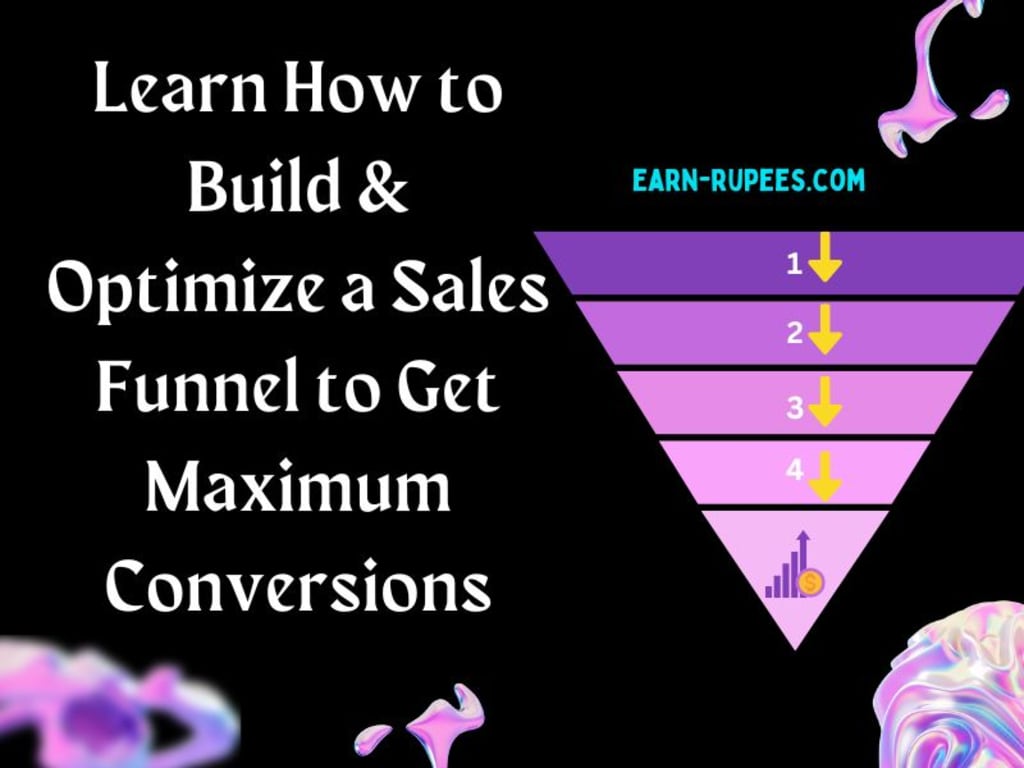
Why Sales Funnels?
Are you struggling to convert website visitors into paying customers? Or are you unsure why your marketing efforts aren’t delivering the results you want?
If so, you may need to take a closer look at your sales funnel.
What is A Sales Funnel?
A sales funnel is a visual representation of the customer journey from the moment they become aware of your product or service, to the point where they make a purchase, and even beyond.
It helps businesses understand their customer’s buying behavior and optimize their sales and marketing strategies for maximum success.
How Does the Sales Funnel Work?
Each stage of the sales funnel is designed to move potential customers closer to making a purchase.
By understanding the different stages, businesses can create targeted marketing campaigns that are more likely to resonate with their audience.
For example, in the awareness stage, businesses may want to focus on creating brand awareness and generating leads.
This could include creating content that targets potential customers in their target demographic or running targeted ads on social media platforms.
In the interest stage, businesses may want to focus on providing more detailed information about their product or service.
This could include creating videos or blog posts that showcase the benefits of their product or offering free trials to potential customers.
In the consideration stage, businesses may want to focus on building trust and addressing any concerns that potential customers may have. This could include providing customer reviews or offering a money-back guarantee.
Finally, in the conversion stage, businesses should focus on making the buying process as easy as possible for potential customers.
This could include offering free shipping or providing a clear call to action on the product page.
How To Build A Sales Funnel
The ideal sales funnel starts with a landing page where you’ll drive all your traffic to, it will have a form where you’ll collect your visitor's data in exchange for a free lead magnet.
Once they enter their details they’ll be directed to a thank you page along with a message or a link regarding their lead magnet.
To maximize your conversion you can use the thank you page to offer your service or promote an affiliate product. make sure the product/service compliments the lead magnet.
For example: if you are offering a keto diet recipe book, your offer should be regarding a keto diet plan or a weight loss program, not skincare.
There are many funnel builders that you can use to build your sales funnel — I recommend using Groovefunnels or Systeme.io as both allow you to create your sales funnel for free
But to design, this sales funnel there are certain things you need to…let’s dig into that
Create Your First Sales Funnel
Step 1: Identify Your Target Audience
The first step in creating your sales funnel is to identify your target audience.
Who are the people that are most likely to be interested in your product or service?
What are their needs and pain points?
Understanding your target audience is essential to creating a sales funnel that resonates with them.
Step 2: Create Awareness
Once you’ve identified your target audience, the next step is to create awareness. This could include creating blog posts, social media content, or running ads targeted at your audience.
You can get $125 free Ad Credit to run paid ads from here
The goal is to get your brand in front of potential customers and generate interest in your product or service.
Step 3: Nurture Interest
Once you’ve created awareness, the next step is to nurture interest. This could include offering a lead magnet, such as a free e-book or a webinar, in exchange for their email address.
The goal is to capture their contact information so that you can continue to engage with them and provide more information about your product or service.
Step 4: Build Trust
As potential customers move through your sales funnel, it’s important to build trust. This could include providing social proof, such as customer reviews or testimonials, or offering a money-back guarantee.
The goal is to address any concerns or objections that potential customers may have and build trust in your brand.
Step 5: Convert to Sale
Once you’ve built trust, the next step is to convert potential customers into paying customers. This could include offering a special promotion or providing a clear call-to-action on your product page.
The goal is to make it as easy as possible for potential customers to make a purchase.
Step 6: Retain Customers
After a customer has made a purchase, the final step in your sales funnel is to retain them. This could include offering special promotions or providing excellent customer service.
The goal is to turn one-time customers into repeat customers and brand advocates.
Example of a Sales Funnel
Let’s say you run a business that sells handmade soap. Here’s how your sales funnel might look:
Awareness Stage:
A potential customer sees an ad for your handmade soap on social media.
Interest Stage:
The potential customer clicks on the ad and explores your website, reading blog posts about the benefits of handmade soap and watching videos about your production process.
Consideration Stage:
The potential customer reads reviews from satisfied customers and compares your handmade soap to other brands.
Conversion Stage:
The potential customer makes a purchase and signs up for your email newsletter.
Loyalty Stage:
You send follow-up emails with personalized product recommendations and offer a loyalty program for repeat customers.
Best Practices To Optimize Your Sales Funnel for Maximum Conversions
Creating a sales funnel can be a game-changer for your business. However, simply having a sales funnel isn’t enough. To maximize your success, you need to follow best practices that will help you optimize your sales funnel for maximum conversions. In this section, we’ll cover some of the best practices for sales funnels.
Best Practice #1: Keep Your Sales Funnel Simple
Keeping them simple is one of the most important best practices for sales funnels. A complex sales funnel can confuse potential customers and lead to lower conversions. Instead, focus on a streamlined approach that guides potential customers through the buying process with minimal friction.
Best Practice #2: Use Clear and Compelling Calls-to-Action
Another best practice for sales funnels is to use clear and compelling calls-to-action (CTAs). Your CTAs should clearly communicate the next step that potential customers need to take and encourage them to take that step. Use action-oriented language and make your CTAs stand out visually to increase conversions.
Best Practice #3: Leverage Social Proof
Social proof can be a powerful tool in your sales funnel. Social proof includes customer reviews, testimonials, and endorsements from industry experts. By showcasing social proof, you can build trust with potential customers and increase the likelihood of a conversion.
Best Practice #4: Segment Your Audience
Segmenting your audience can help you create targeted marketing messages that resonate with different groups of potential customers. By understanding the needs and pain points of different segments of your audience, you can create a sales funnel that speaks directly to them and increases conversions.
Best Practice #5: Continuously Test and Optimize Your Funnel
Finally, it’s essential to continuously test and optimize your sales funnel. Use A/B testing to experiment with different elements of your funnel, such as your CTAs or landing pages. Use data to inform your decisions and make changes that will increase conversions over time.
Disclosure: Some links in the article are affiliate links, which means if you end up buying from using those links we will be getting a small commission.
About the Creator
Keep reading
More stories from writers in Education and other communities.
The USD 50.6 Billion Playbook How China is Revolutionizing the Global Toy Industry (2025–2033)
In the bustling manufacturing hubs of Guangdong, a quiet revolution is taking place. The traditional image of China as a mass-producer of simple plastic trinkets is being replaced by a high-tech reality of AI-integrated robots, "smart" educational kits, and sustainable bioplastics.
By Neeraj kumar2 days ago in Education
The Impact of Digital Signage in Pharmacy Operations
When I first walked into a modern pharmacy last year, I was struck by how different it felt from the sterile, quiet spaces I remembered from childhood. Large screens displayed health tips, prescription wait times updated in real-time, and promotional content cycled through seamlessly. It got me thinking: how much has digital signage software really transformed the way pharmacies operate?
By Jerry Kane 3 days ago in Education
Nancy Guthrie: Is a miracle still possible after close to two weeks?
Close to two weeks since Nancy Guthrie's abduction As of February 12, 2026, Nancy Guthrie remains classified as missing for 12 days, but there is no official confirmation that she is deceased. Blood matching Guthrie’s DNA was found on her front porch, indicating she likely suffered an injury during the abduction.
By Cheryl E Preston2 days ago in Geeks



Comments
There are no comments for this story
Be the first to respond and start the conversation.