
Dystopia is the most-read literary genre ever.
Why Do We Choose Troubled Worlds?

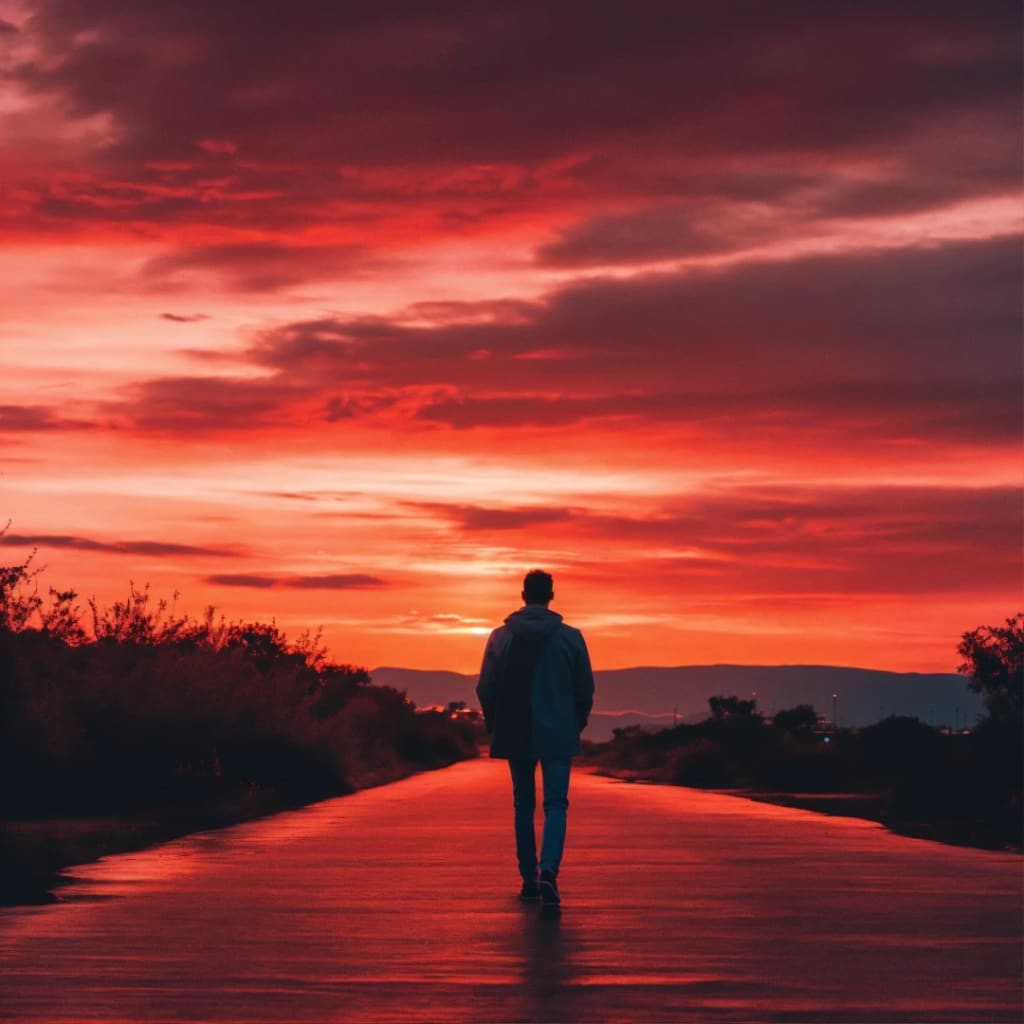
There is a powerful and essential question we must ask ourselves when we look at the shelves of bookstores, when we examine the most shared, most talked-about narratives circulating across the globe: why this fascination, this enduring hunger, for stories set in troubled, fractured futures? Why, when we face so many serious challenges in our own lives, do we choose to inhabit worlds that are deliberately stripped of comfort, of freedom, and often, of genuine joy? The sweeping global popularity of the dystopian genre is not, as some might assume, a symptom of pessimism. Instead, I believe it speaks to a fundamental, profound maturity in our collective conscience—a readiness to stare into the uncomfortable shadows of potential outcomes, not to despair, but to understand our present responsibilities.
We are drawn to these narratives because they function as a kind of high-stakes societal stress test. They take the current threads of our collective worries—the encroachment of technology, the widening gulf of economic inequality, the slow erosion of individual rights, the consequences of environmental disregard—and weave them into comprehensive, chilling tapestries of 'what if.' It’s the unsettling sensation of recognition that grabs us. When we read of a system that sacrifices personal dignity for engineered stability, or of a world where communication is monitored and dissent is silenced, we aren't simply encountering pure fiction. We are identifying the familiar strains of anxiety already humming quietly in the background of our own lives.
The genius of this literature rests in its ability to dramatize complex, abstract political and social dynamics. Instead of simply discussing the ethics of surveillance in a sterile academic paper, the dystopian story places a vulnerable, flawed human being right at the center of the totalizing machine. It allows us to feel the cold steel of institutional control pressing against the individual spirit. This experience of witnessing the struggle vicariously provides a vital emotional education. It clarifies the stakes. It forces us to define, in clear and undeniable terms, what rights, what liberties, what fundamental connections are truly non-negotiable for a dignified human existence. This truth, that freedom requires constant, active vigilance, becomes visceral through these fictional journeys.
But the appeal goes deeper than merely recognizing threats. It centers upon the indispensable nature of personal autonomy. The greatest fears explored in these worlds involve the loss of agency—the removal of the power to choose one's path, one's partner, or even one's thoughts. These stories become cautionary parables about the consequences of indifference, illustrating how easily incremental compromises can calcify into permanent constraints. They are not merely warnings about bad governments; they are urgent reminders about the necessity of good citizenship and engagement, reminding us that collective passivity is the fuel that runs the engines of oppression. The protagonists who rise up—the rebels, the non-conformists, the truth-tellers—are projections of our own highest hopes, embodying the courage we wish to summon when faced with smaller, less dramatic compromises every single day.
Yet, there is a magnificent counterpoint to the darkness in these celebrated works. Dystopia is ultimately defined not by the monolithic power structures it depicts, but by the stubborn resilience of the human heart that persists beneath them. The genre thrives because, within the most hopeless landscapes, the most powerful and authentic forms of love, friendship, and family bonds inevitably surface. These acts of connection are the true engines of the narrative. The quiet sharing of a forbidden memory, the risky transmission of an unauthorized thought, the simple act of choosing to protect another person—these are the profound moments of humanity that the fictional overlords cannot extinguish. This defiant preservation of empathy demonstrates that, even when society is broken, the essential quality of being human remains intact.
We must acknowledge that these stories provide us with a crucial imaginative space for practicing hope. If hope were easy, it wouldn't require practice. It is only when the odds are stacked against us, when the path forward seems impossible, that true resilience is forged. Dystopian fiction offers us a safe, literary arena to test the strength of our moral muscles. It asks: what would you risk? What principle would you refuse to surrender? By allowing us to inhabit these terrifying possibilities, the stories empower us. They help us to mentally rehearse the difficult choices, thereby preparing us for the smaller, real-world struggles for justice and decency.
The essential truth remains that the genre has claimed a permanent place in the global literary conversation precisely because it is never truly about the future. It is a powerful, urgent meditation on the quality of the life we are building right now. It is a dialogue about accountability, about the legacy we are preparing to leave, and about the fundamental obligations we have to one another. The enduring appeal rests on this duality: it is both a stark warning written in stark, unforgettable prose, and an unwavering testament to the unconquerable spirit of humanity. It forces us to confront the possibility that the villains in the story are not faceless tyrants, but the comfortable compromises and silent complicities we might accept today. It is a literature of responsibility. This, above all else, is why we continue to turn its pages, searching not for nightmares, but for the moral clarity that can light our path forward.
About the Creator
Ria Bassett
Born in the heart of Cracovia and raised in the UK, I am an individual who is deeply passionate about literature, technology, entertainment, and comics.
Keep reading
More stories from Ria Bassett and writers in Education and other communities.
Where Did Writers Start?
As a reader and a writer, the topic of where writers started is a fascinating one. The world of literature has produced some of the most riveting, thought-provoking, and impactful works of art in human history. This essay will explore the origins of writing, the earliest forms of literature, and how writing has evolved over time to become the complex art that we know and treasure today.
By Ria Bassett3 years ago in Education
Invisible Radiation in Everyday Life
We live in a world powered by invisible signals. From the moment you wake up and check your phone, to working on a laptop, connecting to WiFi, using Bluetooth earbuds, or scrolling before bed—your body is constantly surrounded by electromagnetic fields (EMFs). They’re an unavoidable part of modern life, yet most people rarely stop to think about how continuous exposure may affect their energy, sleep, focus, and overall well-being.
By Inamullah Momand 4 days ago in Education
Core Skills Every Finance Professional Needs Today
Financial analysis is one of the most critical abilities for anyone working in finance today. Companies rely on clear and accurate financial information to make smart business decisions. Finance professionals must understand how to read numbers, study trends, and guide action based on facts. These must-have financial analysis skills help workers become stronger, more confident, and more valuable in their roles. When used well, these skills support better planning, lower risk, and long-term success. Because of this, developing strong financial analysis skills is essential for finance professionals at every level.
By Andrew Lake3 days ago in Education


Comments
There are no comments for this story
Be the first to respond and start the conversation.