
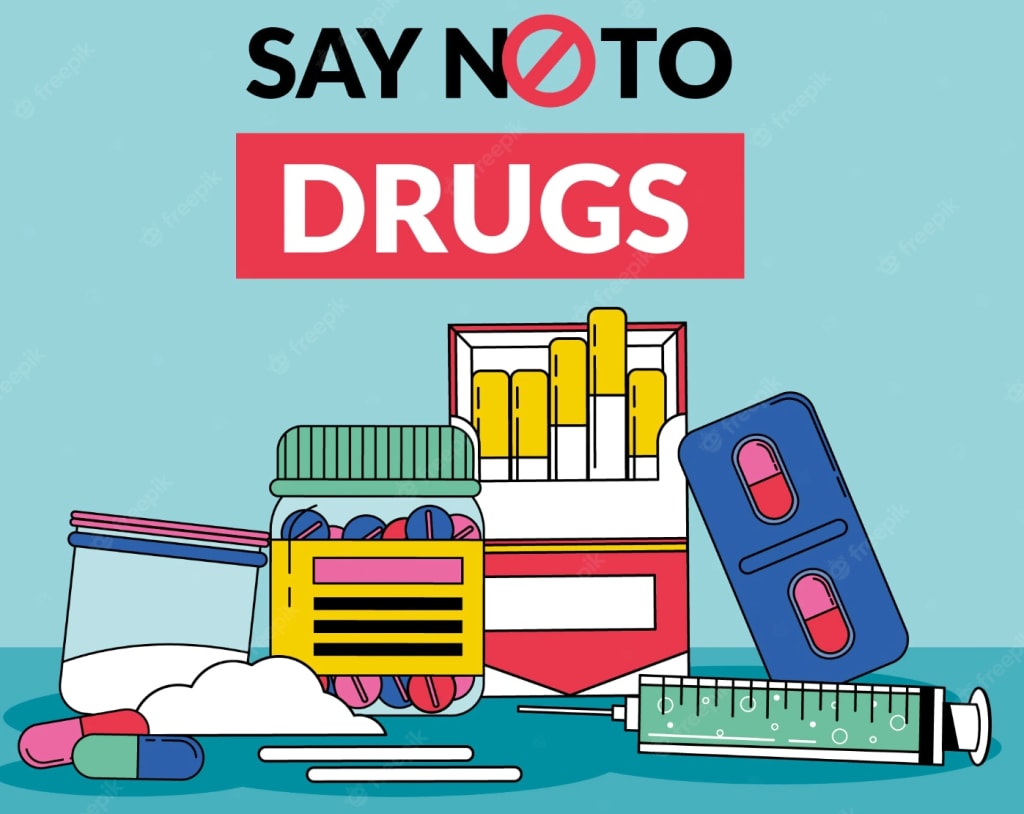
Drug abuse is a widespread and growing issue that has severe consequences on an individual's health, mental state, and overall well-being. The use of drugs can lead to addiction, which can be characterized by the compulsive and uncontrollable need for more drugs, even when faced with negative consequences.
It is essential to understand that drug addiction is a chronic disease that affects the brain, altering its structure and function. Drugs can change the way the brain responds to pleasure, making it more challenging to feel pleasure without drugs. This can lead to significant changes in behavior, motivation, decision making, and emotional regulation.
Drug addiction often begins with experimental or recreational use. People may start using drugs to fit in with a social group, relieve stress, or cope with painful emotions. However, recreational drug use can quickly turn into addiction and cause severe harm to the user and their loved ones.
The most commonly abused drugs include opioids, marijuana, cocaine, methamphetamine, and alcohol. Opioids, including prescription painkillers and heroin, are highly addictive and can lead to fatal overdoses. Marijuana, while less addictive, can lead to significant changes in the brain, impacting memory, learning, and impulse control. Cocaine and methamphetamine are highly potent stimulants that can cause severe physical and mental health effects, including psychosis, paranoia, and heart problems. Lastly, excessive alcohol use is a leading cause of liver disease, accidents, and depression.
Drug abuse can have a far-reaching impact on an individual's life. A person's drug use can impact their employment, finances, relationships, and overall health. Continued drug use can lead to job loss, financial instability, and increased criminal activity. The behavior associated with drug use can cause significant damage to personal and family relationships, often leading to conflicts and breakdowns in communication.
Drug addiction is also associated with a higher risk of mental health disorders. Substance use can worsen symptoms associated with mental disorders, such as anxiety and depression, and can lead to the development of new disorders. Individuals who abuse drugs are also at a higher risk of suicide, violence, and accidents.
Treatment for drug addiction varies, depending on the individual's substance use, overall health, mental health, and personal preferences. However, the primary goal of addiction treatment is to help individuals achieve sobriety and develop the skills necessary to maintain a drug-free life. Addiction treatment often involves a combination of medical detoxification, individual and group therapy, and counseling.
Preventing drug abuse can be challenging, but it is crucial to reduce the overall incidence of drug addiction. The most effective way to prevent drug abuse is through education, awareness, and early intervention. Community programs that educate individuals on the dangers of drug abuse and provide access to resources for those struggling with addiction can help reduce the prevalence of drug abuse.
In conclusion, drug abuse is a severe and growing epidemic that can have a significant impact on an individual's life. Drug addiction alters the functioning of the brain, leading to compulsive drug-seeking behavior and significant changes in behavior and mental health. The long-term consequences of drug abuse can be devastating, affecting employment, finances, and personal relationships. Treatment for drug addiction involves a multimodal approach designed to help people achieve and maintain a drug-free life. Finally, prevention efforts through education and community programs are crucial to reducing the incidence of drug abuse.
About the Creator
Keep reading
More stories from Great chibuike and writers in Education and other communities.
A memorable event
It was a bright sunny day, unlike any other. The year was 2008, and I was eight years old. I woke up with an unusual excitement that morning, and I couldn't wait to jump out of my bed. Little did I know, it would be a day that I would never forget.
By Great chibuike3 years ago in Families
Managing Anxiety During Exams: A Student’s Guide
Exams are one of the most common sources of stress for students at every level. Even the most prepared individuals often feel nervous before or during a test. Exam anxiety is natural — it’s the body’s way of preparing for a challenge — but excessive stress can interfere with focus, memory recall, and overall performance. Understanding the causes of anxiety and learning effective coping strategies can make a significant difference. This guide provides practical, evidence-based techniques to manage stress before, during, and after exams.
By Games Mode On2 days ago in Education
Best Tools and Tips for Project Managers to Manage Projects Effectively
Project management plays a critical role in ensuring that business goals are achieved on time and within budget. In today’s fast-paced and competitive environment, project managers must balance multiple responsibilities, manage diverse teams, and adapt to constant changes. Using the right tools along with proven management techniques can significantly improve project efficiency and success.
By Muhammad Hussain2 days ago in Education




Comments (1)
This is lovely