
"Driving for Glory: Inside the Thrilling World of F1"
Everything you need to know about F1

Explanation of what Formula 1 (F1) is and brief history of F1
Formula 1, also known as F1, is a type of open-wheel racing that involves some of the world's best drivers and teams competing against each other in high-performance cars. The F1 World Championship is the pinnacle of motor racing and is watched by millions of fans worldwide.
F1 began in Europe in the 1950s and quickly became popular due to the excitement and danger of the races. The cars, which can reach speeds of up to 230 mph (370 km/h), require drivers to have exceptional skill, quick reflexes, and the ability to make split-second decisions. The races take place on a variety of tracks, from street circuits to purpose-built race tracks.
Over the years, F1 has become one of the most popular sports in the world, with an estimated 500 million viewers in over 200 countries. The sport is known for its high levels of technology, precision engineering, and intense rivalries between teams and drivers. F1 has also been at the forefront of innovation in areas such as safety, sustainability, and the use of data and analytics to improve performance.
Overview of the current F1 teams and their drivers
Mercedes-AMG Petronas Formula One Team:

Lewis Hamilton (7-time world champion)

George Russel

Red Bull Racing :
Max Verstappen

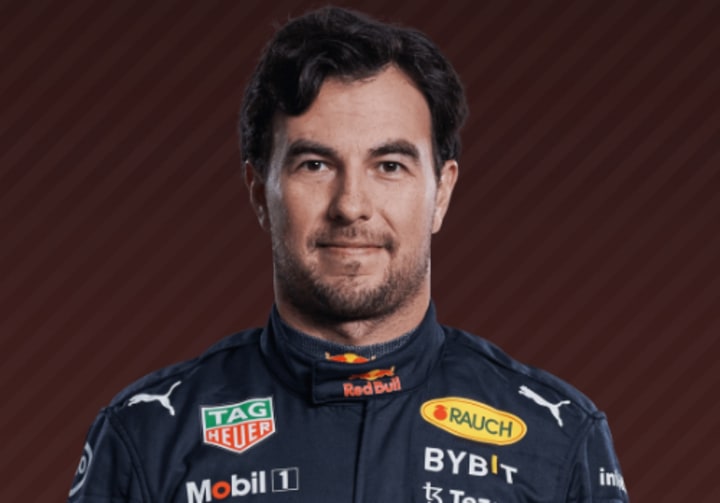
Sergio Perez
McLaren F1 Team:

Lando Norris

Oscar Piastri

Scuderia Ferrari :

Charles Leclerc

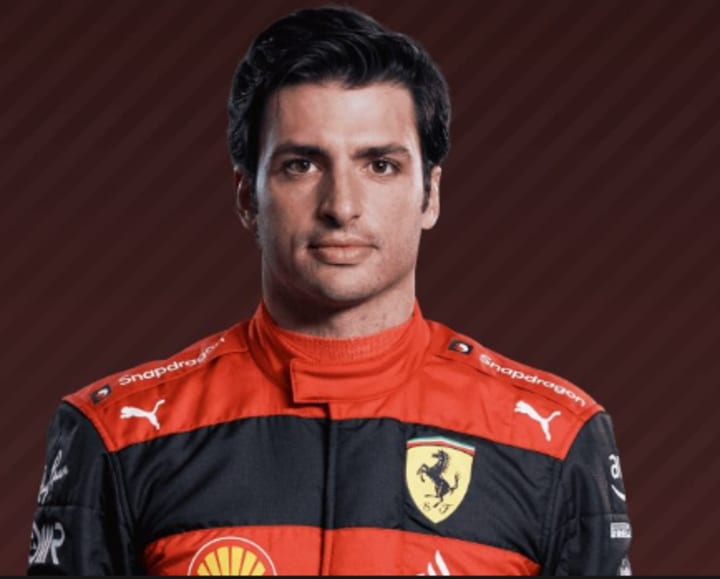
Carlos Sainz Jr.
Alpine F1 Team:

Pierre Gasly

Esteban Ocon

Aston Martin Cognizant Formula One Team:

Fernando Alonso(2-time world champion)

Lance Stroll

Alfa Romeo Racing :

Zhou Guanyu

Valtteri Bottas

Williams Racing:

Alex Albon

Logan Sargeant

Haas F1 Team:

Kevin Magnussen

Nico Hulkenberg

Scuderia AlphaTauri:

Nyck de Vries

Yuki Tsunoda

Team dynamics and rivalries
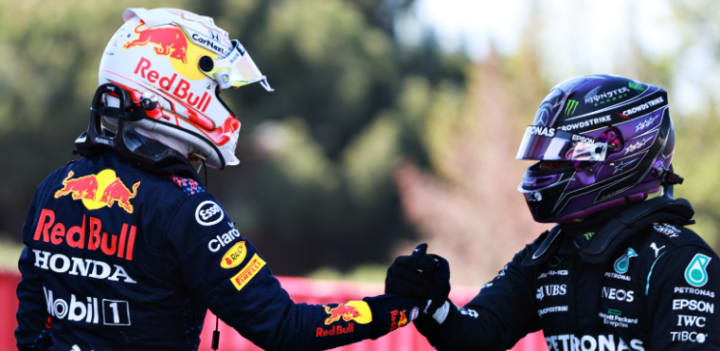
Team dynamics and rivalries play a crucial role in the world of F1. Teams work closely with their drivers to develop the best strategy for each race and to constantly improve the performance of their cars. Drivers and teams form close partnerships, often spending months testing and developing the car before the start of the season.
Rivalries also play a significant role in the sport, with teams and drivers competing fiercely for the championship title. Rivalries can develop between drivers on the same team, as they compete for the top spot, or between drivers from different teams who are vying for the championship. Some of the most famous rivalries in F1 history include Ayrton Senna and Alain Prost, James Hunt and Niki Lauda, and Lewis Hamilton and Sebastian Vettel.
In addition to the rivalries on the track, there are also rivalries between teams, as they compete for sponsorship, funding, and other resources. Teams may also develop a fierce loyalty among their fans, who will cheer them on and defend them against rival teams and drivers.
Overall, the team dynamics and rivalries in F1 add to the excitement and drama of the sport, making each race a thrilling spectacle for fans around the world.
F1 car design and engineering
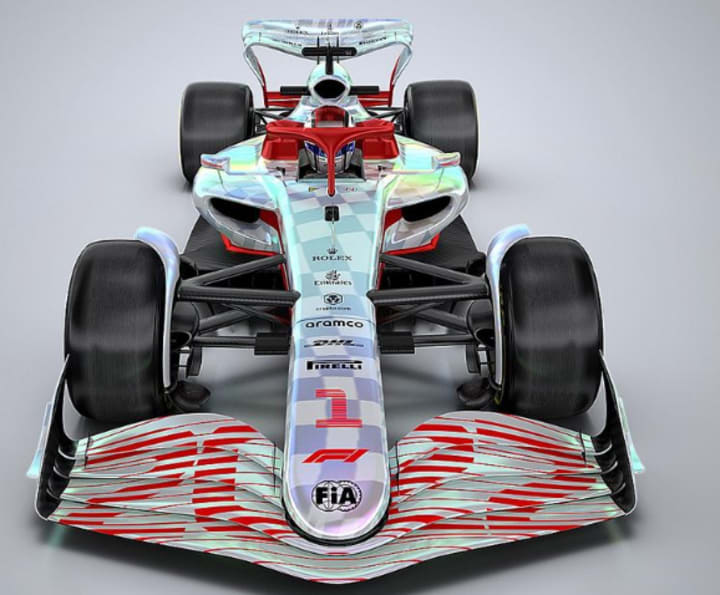
F1 cars are some of the most technologically advanced machines on the planet, with every aspect of their design and engineering optimized for speed, performance, and safety. Here are some key aspects of F1 car design and engineering:
Aerodynamics: F1 cars are designed with aerodynamics in mind, with every curve, fin, and wing optimized to minimize drag and maximize downforce. This allows the car to maintain high speeds through corners and to grip the track more tightly, improving performance.
Powertrain: F1 cars are powered by hybrid powertrains, which combine a combustion engine with an electric motor. The engines are highly efficient and can produce over 1,000 horsepower, while the electric motor provides an extra boost of power when needed.
Brakes: F1 cars use carbon fiber brakes, which are extremely lightweight and can stop the car from 200 mph (320 km/h) to a complete stop in just a few seconds.
Suspension: F1 cars have complex suspension systems, which allow them to corner at high speeds while maintaining stability and control.
Safety: F1 cars are designed with safety in mind, with features such as roll cages, crash structures, and reinforced cockpits to protect the driver in the event of an accident.
The design and engineering of F1 cars is a constant process of innovation and refinement, with teams constantly testing and tweaking their designs to improve performance. As a result, F1 cars are always at the cutting edge of technology, pushing the limits of what is possible in automotive engineering.
Explanation of the F1 race format and regulations
The F1 race format and regulations have evolved over the years, but the current format is as follows:
Qualifying: On the first day of the race weekend, drivers compete in a series of knockout qualifying sessions to determine their starting position on the grid for the race. The fastest driver in the final session earns pole position, the most coveted spot on the grid.
Race: The race takes place on the second day of the weekend and consists of a set number of laps around the circuit, typically between 50-70 laps. The winner is the driver who crosses the finish line first.
Points: Points are awarded to drivers based on their finishing position, with the top 10 finishers earning points. The driver with the most points at the end of the season is crowned the world champion.
In addition to these basic rules, there are a number of regulations in place to ensure fair play and safety. Here are some of the most important regulations:
Car specifications: F1 cars must meet strict specifications in terms of weight, dimensions, and performance. The specifications are designed to ensure that all cars are competitive and safe.
Fuel and tire restrictions: F1 cars are subject to strict fuel and tire restrictions, which limit the amount of fuel and tires that can be used during a race. These restrictions are designed to encourage fuel efficiency and strategic decision-making.
Penalties: Drivers who break the rules can be subject to a range of penalties, including time penalties, grid penalties, and disqualification.
Safety: F1 is committed to ensuring the safety of drivers, officials, and fans. As a result, there are strict regulations in place around car design, track design, and race procedures to minimize the risk of accidents.
Overall, the F1 race format and regulations are designed to create an exciting and fair competition while ensuring the safety of everyone involved. The rules and regulations are constantly evolving to keep up with advances in technology and changes in the sport, making F1 one of the most thrilling and dynamic sports in the world.
strategies and tactics involved in F1 races
F1 races involve a range of strategies and tactics, as teams and drivers try to gain an advantage over their competitors. Here are some of the key strategies and tactics used in F1 races:
Tire management: F1 races involve a lot of tire wear, so managing tire wear is a key strategy for success. Drivers and teams may choose to start the race on harder tires to reduce wear, or they may try to manage the wear on softer tires through careful driving and pit stops.
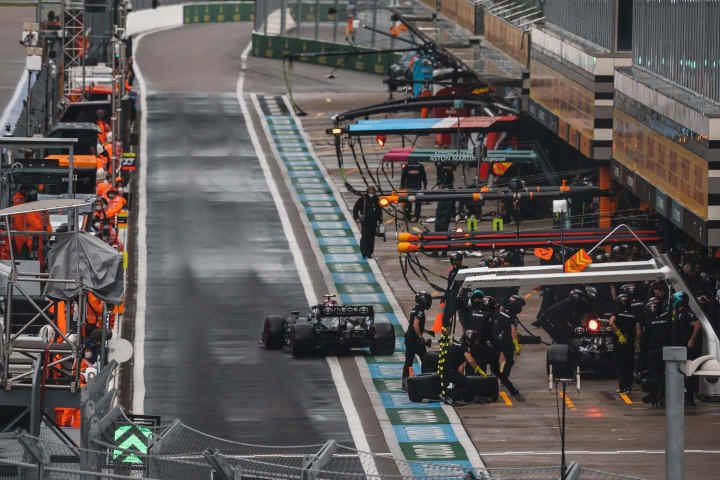
Pit stops: Pit stops are a crucial part of any F1 race, as they allow teams to change tires and make repairs. Teams will often try to time their pit stops to minimize the time lost and to take advantage of strategic opportunities.
Overtaking: Overtaking is difficult in F1, so drivers will often use tactics such as slipstreaming, braking late, or using DRS (Drag Reduction System) to try to gain an advantage.
Fuel management: F1 cars have strict fuel limits, so managing fuel consumption is a key part of race strategy. Drivers may choose to conserve fuel early in the race to have more available later, or they may opt for a more aggressive strategy that uses more fuel early on.
Team orders: F1 teams often have multiple drivers, and team orders can play a role in race strategy. Teams may instruct one driver to let another pass to maximize the team's chances of success, or they may use a two-stop strategy to create a time advantage for one driver over the other.
Overall, F1 races involve a complex interplay of strategy, tactics, and split-second decision-making. The teams and drivers who are able to anticipate and adapt to changing conditions, while executing their plans with precision, are the ones who come out on top.
Examination of the physical and mental demands of F1 racing
F1 racing is one of the most physically and mentally demanding sports in the world. Here are some of the ways in which F1 racing challenges the limits of human performance:
Physical demands: F1 drivers are subjected to extreme G-forces during races, which can reach up to 6G in corners. This puts a huge strain on their neck and core muscles, and they must be in top physical condition to withstand the forces. Drivers must also maintain a high level of fitness to cope with the heat inside the car, which can reach up to 60°C (140°F), and to ensure quick reflexes and sharp decision-making.
Mental demands: F1 racing also requires exceptional mental stamina and focus. Drivers must be able to maintain a high level of concentration for long periods of time, often in high-pressure situations. They must be able to process complex information quickly, and make split-second decisions based on their instincts and experience. In addition, F1 drivers must have the mental resilience to cope with the intense pressure and scrutiny of the sport, and to bounce back from setbacks and disappointments.
Preparation: F1 racing demands rigorous preparation in terms of both physical and mental training. Drivers typically spend hours in the gym, focusing on core and neck strength, as well as cardiovascular fitness. They also engage in mental training, such as visualization and focus exercises, to sharpen their minds and prepare for the demands of the sport.
Recovery: F1 drivers must also be able to recover quickly from the physical and mental stresses of racing. They may work with nutritionists and sports psychologists to ensure that they are eating a healthy diet and getting enough rest, and they may also engage in recovery activities such as massage, ice baths, and stretching.
Overall, F1 racing requires a combination of exceptional physical and mental abilities, as well as rigorous preparation and recovery. The drivers who are able to master these challenges are the ones who rise to the top of the sport.
Overview of the risks and dangers involved in F1 racing

F1 racing is a high-speed, high-risk sport that involves a range of potential dangers and hazards. Here are some of the risks and dangers involved in F1 racing:
High speeds: F1 cars can reach speeds of over 200 mph, and accidents at these speeds can be catastrophic. Crashes can result in serious injury or even death.
Impact forces: In the event of a crash, drivers can be subjected to extreme impact forces, which can cause serious injury to the head, neck, and spine. The safety measures in F1, such as the driver's helmet, HANS device, and safety barriers, are designed to mitigate these risks.
Fire and explosions: F1 cars use highly flammable fuels and materials, and fires and explosions can occur in the event of a crash. Drivers must be able to quickly and safely exit the car in the event of a fire.
Mental stress: The mental stresses of F1 racing can also be significant, and drivers can experience psychological pressures such as stress, anxiety, and depression.
To mitigate these risks, F1 has a range of safety measures in place, including safety barriers, medical teams, and safety cars. In addition, F1 cars are designed with safety in mind, and are subject to rigorous safety testing and regulation.
Despite these measures, however, F1 racing remains a high-risk sport, and the dangers and risks involved are an inherent part of the sport. As a result, drivers must be able to balance their passion for racing with a respect for the potential dangers involved, and take steps to mitigate these risks wherever possible.
Explanation of why F1 is considered one of the most exciting and challenging sports

Formula 1 (F1) is considered one of the most exciting and challenging sports for several reasons:
High-speed racing: F1 racing involves high-speed racing on some of the world's most challenging and iconic circuits. The combination of speed and skill required to navigate these courses at such high speeds is a unique and exhilarating challenge.
Technical complexity: F1 cars are incredibly complex machines, with advanced technology and engineering that pushes the limits of what is possible in the field of motorsports. The constant drive for innovation and improvement means that the sport is always pushing the boundaries of what is possible.
Strategic gameplay: F1 racing is not just about speed and skill - it also involves strategic gameplay, with teams and drivers making split-second decisions about when to pit, which tires to use, and how to navigate the race. This combination of physical and mental demands is what makes F1 racing so challenging.
Global appeal: F1 racing has a huge global following, with fans around the world tuning in to watch the sport's biggest races. The sense of international competition and the passion of the fans adds to the excitement and drama of the sport.
Overall, F1 racing is a unique and exciting sport that challenges drivers both physically and mentally, and pushes the limits of what is possible in the field of motorsports. It is this combination of skill, strategy, and excitement that makes F1 one of the most thrilling and challenging sports in the world.
Future of F1 and its continued excitement and challenge
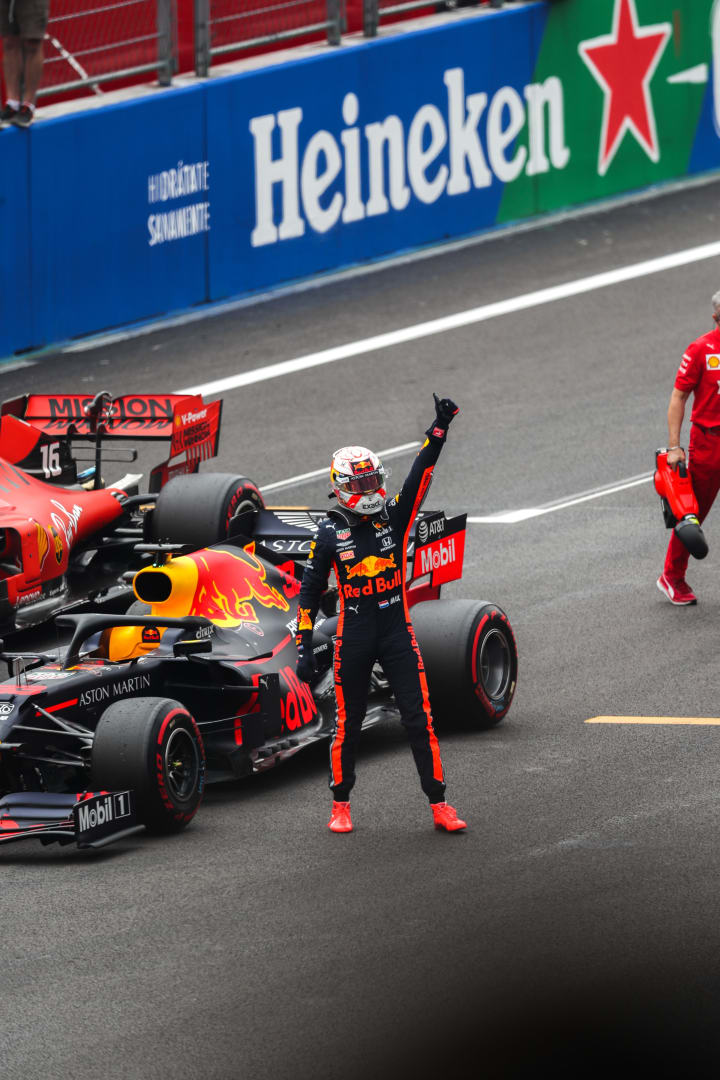
The future of Formula 1 (F1) looks bright and exciting, with a continued focus on innovation and pushing the limits of what is possible in motorsports. With the introduction of new technologies and the continued development of safety measures, F1 is poised to continue to challenge drivers and captivate fans around the world.
One of the biggest changes coming to F1 is the introduction of new engine regulations in 2025, which aim to make the sport more competitive and exciting for fans. These changes include a new use of 100% sustainable fuel and inclusion of more electrical energy.
In addition to these changes, F1 is also exploring new technologies such as electric and hybrid power, which could provide a new set of challenges and opportunities for the sport in the future.
Overall, F1 is a sport that is constantly evolving and pushing the boundaries of what is possible. As long as there are passionate drivers, dedicated teams, and enthusiastic fans, F1 will continue to provide excitement and challenge for years to come.
About the Creator
Keep reading
More stories from writers in Education and other communities.
Smart Ways to Prevent AI From Taking Your Job
Artificial intelligence is changing the workplace faster than almost any technology before it. From automated customer service to AI-generated reports, images, and code, it’s natural to wonder: Will AI take my job?
By Anthony Bahamondea day ago in Education
Why Do We Dream?
In the third millenium BCE, Mesopotamian kings recorded and interpreted their dreams on wax tablets. A thousand years later, Ancient Egyptians wrote a dream book listing over a hundred common dreams and their meanings. And in the years since, we haven't paused in our quest to understand why we dream. So, after a great deal of scientific research, technological advancement, and persistence, we still don't have any definite answers, but we have some interesting theories. We dream to fulfill our wishes.
By Munesh Yadava day ago in Education
How, Too
Many people wonder how, too. You are not alone, and I am an expert. I will teach you how, too! First, you need to remit a small application fee and fill out an application describing the nature of your financial situation and how often payments will be made, as this will have great bearing on how well I teach you how, too.
By Harper Lewis4 days ago in Fiction




Comments
There are no comments for this story
Be the first to respond and start the conversation.