
Dream Big: Product Success Stories to Fuel Your Inspiration
Product Success Stories

Introduction to Product Success Stories
Product success stories serve as powerful narratives that showcase how innovative ideas, strategic marketing, and customer-centric approaches can transform products into household names or industry leaders. These stories provide valuable insights into the journey of products from conception to market success, highlighting the challenges faced, strategies implemented, and milestones achieved.
At their core, product success stories inspire entrepreneurs, marketers, and businesses by demonstrating what is possible when creativity meets strategy. They often reveal the impact of understanding customer needs, crafting compelling value propositions, and delivering solutions that resonate with target audiences.
From startups that revolutionized industries to established brands that redefined customer expectations, these stories emphasize the importance of perseverance, adaptability, and market research. They often include elements like overcoming initial setbacks, leveraging technology, or breaking into new markets, showcasing how businesses can achieve success even in competitive environments.
Product success stories are more than tales of triumph; they are lessons in innovation, branding, and customer engagement. They offer practical takeaways for businesses aiming to create their own path to success while celebrating the achievements of products that have made a significant impact. Whether you are a budding entrepreneur or a seasoned professional, these stories provide both inspiration and actionable insights to guide your journey.

1. Apple’s iPhone: A Product Success Story
The iPhone by Apple is a quintessential example of a product success story that has revolutionized the technology industry and redefined modern communication. Launched in 2007 by Steve Jobs, the iPhone transformed the concept of mobile phones, blending cutting-edge technology, sleek design, and intuitive user experience into a single, revolutionary device.
The Vision Behind the iPhone
Steve Jobs envisioned a device that would integrate a phone, an iPod, and an internet communicator. This vision led to the creation of the first iPhone, which combined functionality and simplicity in a way that no other device had done before. Its multi-touch interface, which replaced physical keyboards with an interactive touchscreen, set the standard for smartphones worldwide.
Key Factors in the iPhone’s Success
- Innovation: Apple continually pushed the boundaries of technology with each iPhone iteration, introducing features like the App Store, Face ID, Retina Display, and advanced camera systems. These innovations kept Apple ahead of competitors and created a loyal customer base.
- Branding and Marketing: Apple's marketing campaigns positioned the iPhone as a premium, aspirational product. Iconic advertisements and launch events, combined with Steve Jobs' compelling presentations, generated global excitement and anticipation for each new release.
- Ecosystem Integration: The iPhone seamlessly integrates with Apple’s ecosystem of products and services, including iCloud, the App Store, Apple Music, and Apple Watch. This holistic approach ensures customer loyalty and enhances user convenience.
- User-Centric Design: Apple’s focus on simplicity, usability, and aesthetic appeal made the iPhone accessible to a wide audience, from tech enthusiasts to casual users.
Impact and Legacy
The iPhone has not only been a financial success for Apple but has also shaped the global smartphone industry, influencing how technology is developed and consumed. It has become a cultural icon, symbolizing innovation, status, and modernity.
Lessons from the iPhone’s Success
The iPhone’s journey teaches businesses the value of innovation, understanding customer needs, and creating an ecosystem that enhances product value. By combining visionary leadership, strategic marketing, and relentless focus on quality, Apple has turned the iPhone into one of the most successful products in history.

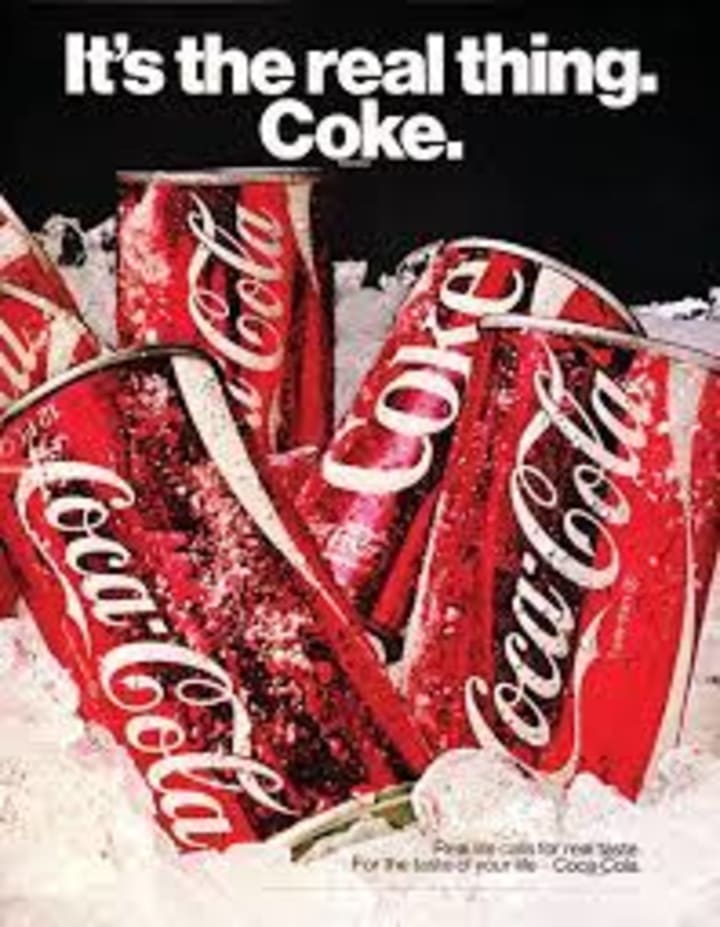
2. Coca-Cola: A Timeless Product Success Story
Coca-Cola is one of the most iconic and enduring product success stories in the world, embodying the essence of strategic branding, marketing, and innovation. Introduced in 1886 by Dr. John Pemberton in Atlanta, Georgia, Coca-Cola began as a medicinal beverage but quickly evolved into a global symbol of refreshment and happiness.
The Foundation of Coca-Cola’s Success
- Brand Identity: Coca-Cola's distinctive red-and-white logo, coupled with its memorable cursive script, has become instantly recognizable worldwide. The brand consistently communicates themes of joy, unity, and shared experiences, resonating with audiences of all ages and cultures.
- Unparalleled Marketing Strategies: Coca-Cola has pioneered innovative marketing campaigns, from the 1920s introduction of the Santa Claus image in advertisements to its famous “Share a Coke” campaign, which personalized bottles with names. The company's focus on emotional storytelling and creating memorable moments has strengthened its bond with consumers.
- Global Distribution Network: Coca-Cola’s vast distribution network has been critical to its success. The company operates in over 200 countries, ensuring that its products are available even in the most remote locations.
- Product Innovation: While the classic Coca-Cola formula remains the flagship, the company has continually expanded its product line to include Diet Coke, Coca-Cola Zero Sugar, and other variants, catering to evolving consumer preferences.
The Power of Emotional Connection
Coca-Cola has mastered the art of connecting emotionally with its audience. Campaigns like “Taste the Feeling” and its Olympic sponsorships tap into universal values like togetherness, celebration, and optimism. This emotional resonance has made Coca-Cola more than a drink—it’s a lifestyle choice.
The Coca-Cola Legacy
With over a century of success, Coca-Cola remains a market leader in the beverage industry. Its ability to adapt to changing times while maintaining its core identity is a testament to its strategic vision.
Lessons from Coca-Cola’s Success
Coca-Cola’s story demonstrates the importance of:
- Building a strong and consistent brand identity.
- Innovating while staying true to core values.
- Understanding and connecting with customer emotions.
- Leveraging global distribution to maximize reach.
Through its unwavering commitment to quality, marketing excellence, and emotional appeal, Coca-Cola has cemented its status as a timeless product success story and continues to inspire businesses worldwide.
3. Nike Air Jordan Sneakers: A Slam Dunk Product Success Story
Nike’s Air Jordan sneakers are an iconic product success story that combines sports, style, and culture. Launched in 1984 as a collaboration between Nike and basketball superstar Michael Jordan, the Air Jordan brand quickly transcended the court to become a global phenomenon, dominating both the sportswear and lifestyle markets.
The Origins of Air Jordan
The story began with Michael Jordan, a young NBA rookie with immense talent and star power. Nike signed Jordan to an endorsement deal and designed a shoe that would represent his dynamic style of play. The first Air Jordan sneaker, the Air Jordan 1, debuted in 1985 and became an instant sensation, not only for its performance on the court but also for its bold, rule-breaking design.
Key Factors in the Success of Air Jordan
- Michael Jordan’s Influence: Michael Jordan’s electrifying career and global appeal were central to the brand’s success. As Jordan became one of the greatest basketball players of all time, his association with the Air Jordan line solidified its credibility and desirability.
- Bold Marketing Strategies: Nike's marketing campaigns, including the famous "Banned" narrative (where the Air Jordan 1 was supposedly prohibited by the NBA for violating uniform rules), created a rebellious and aspirational image. Catchy slogans like “It’s gotta be the shoes” and partnerships with Spike Lee further fueled the cultural impact.
- Innovative Design: Each Air Jordan release introduced cutting-edge technology and trendsetting designs, appealing to athletes and fashion enthusiasts alike. The brand seamlessly blended performance features with streetwear aesthetics, setting it apart from competitors.
- Cultural Impact: Air Jordans became a status symbol, embraced by basketball fans, sneakerheads, and celebrities. The shoes also played a significant role in shaping sneaker culture, influencing fashion, music, and youth identity worldwide.
- Brand Longevity: Decades after its launch, the Air Jordan brand continues to thrive with retro releases, exclusive collaborations, and limited-edition designs. Its ability to stay relevant and adapt to new trends has ensured its enduring popularity.
The Air Jordan Legacy
Today, Air Jordans are more than just sneakers; they represent excellence, innovation, and cultural significance. The brand has generated billions in revenue for Nike and continues to inspire the sneaker industry.
Lessons from Air Jordan’s Success
The Air Jordan story highlights the power of:
- Leveraging the influence of a strong celebrity endorsement.
- Creating a distinct and aspirational brand identity.
- Innovating consistently to stay ahead of trends.
- Tapping into cultural movements to build long-term loyalty.
From the basketball court to the streets, Nike’s Air Jordan sneakers remain a symbol of style, performance, and cultural relevance, cementing their place as one of the most successful products in history.

4. Toyota Prius: A Game-Changing Product Success Story
The Toyota Prius stands as a milestone in automotive history, blending innovation, environmental consciousness, and practicality to redefine what consumers expect from a vehicle. Introduced in 1997 in Japan and globally in 2000, the Prius was the world’s first mass-produced hybrid car, setting the stage for the automotive industry's shift toward sustainable transportation.
Key Factors in the Prius's Success
- Pioneering Hybrid Technology: At its core, the Prius combines a gasoline engine with an electric motor, delivering improved fuel efficiency and reduced emissions. This hybrid system represented a technological breakthrough, catering to environmentally conscious consumers seeking a practical solution to high fuel costs and growing concerns about climate change.
- Eco-Friendly Appeal: The Prius was marketed as the go-to vehicle for eco-conscious individuals. Toyota capitalized on the global movement toward sustainability, presenting the car as a responsible choice without sacrificing performance.
- Innovative Design: The Prius's aerodynamic and futuristic design set it apart from traditional cars. Its distinctive shape and hybrid badge made it instantly recognizable, allowing drivers to showcase their commitment to sustainability.
- Early Market Entry Advantage: By launching the Prius ahead of competitors, Toyota established itself as a leader in hybrid technology. This first-mover advantage allowed the company to dominate the hybrid market for years, building trust and credibility.
- Strong Brand Reputation: As a global leader in reliability and quality, Toyota’s reputation bolstered consumer confidence in the Prius. The car's dependability and low maintenance costs further enhanced its appeal.
Cultural and Market Impact
The Prius became more than just a car; it became a symbol of environmental responsibility and modern innovation. Celebrities like Leonardo DiCaprio and Cameron Diaz were early adopters, boosting the Prius’s status as a trendy, eco-friendly choice. It also paved the way for Toyota's expanded hybrid lineup and inspired other automakers to invest in green technology.
The Prius Legacy
The Toyota Prius has sold millions of units worldwide, contributing significantly to the reduction of carbon emissions and influencing global automotive design. Its success has positioned Toyota as a leader in sustainable mobility and demonstrated the profitability of aligning business goals with environmental values.
Lessons from the Toyota Prius’s Success
The Prius story offers valuable insights into:
- The importance of innovation in creating market-leading products.
- Leveraging emerging trends like environmental sustainability.
- Differentiating through distinctive branding and design.
- Building trust with consumers through proven quality and reliability.
The Toyota Prius remains a testament to how foresight, innovation, and a commitment to sustainability can lead to enduring product success while shaping an industry for the better.

5. Amazon Kindle: A Revolutionary Product Success Story
The Amazon Kindle has transformed the way people read, setting a benchmark for digital publishing and e-reader technology. Introduced in 2007, the Kindle emerged as a game-changer in the publishing industry, giving readers an entirely new way to consume books while empowering authors and publishers with a scalable digital platform.
Key Factors in the Kindle’s Success
- Innovative Technology: The Kindle brought the convenience of a portable library, with its e-ink display offering a paper-like reading experience. Features like adjustable font sizes, glare-free screens, and lightweight design made it highly appealing to readers.
- Access to Amazon’s Ecosystem: Amazon seamlessly integrated the Kindle into its vast ecosystem, offering millions of books, newspapers, and magazines. The Kindle Store provided instant access to a wide range of content, from bestsellers to indie publications, creating a one-stop destination for readers.
- Affordability and Accessibility: By offering competitively priced e-readers and books, Amazon ensured that the Kindle reached a wide audience. Features like WhisperSync, which allows seamless reading across devices, further enhance its accessibility.
- Support for Independent Authors: Through Kindle Direct Publishing (KDP), Amazon democratized publishing, enabling independent authors to publish and distribute their works globally. This innovation attracted a wide range of writers and added diversity to the Kindle library.
- Continuous Innovation: Amazon consistently improved the Kindle line, introducing features like built-in lighting, waterproof models, and higher-resolution screens. These updates kept the product relevant and competitive.
Cultural and Market Impact
The Kindle redefined reading habits, making it easier to access and carry a vast number of books. It also played a significant role in the decline of physical book sales while driving the growth of e-books. By prioritizing convenience and choice, Amazon positioned the Kindle as a must-have device for book lovers.
The Kindle Legacy
The Kindle has sold millions of units worldwide and remains one of Amazon’s flagship products. Beyond its commercial success, it has reshaped the publishing landscape, making books more accessible to readers and opening new avenues for authors.
Lessons from the Kindle’s Success
Amazon Kindle's story highlights:
- The power of integrating hardware, software, and services into a unified ecosystem.
- The value of tapping into unmet customer needs—in this case, a portable, user-friendly way to read.
- The importance of continual innovation to sustain relevance in a competitive market.
- How can empowering creators (authors in this case) drive overall product success?
The Kindle’s journey demonstrates how a visionary product can disrupt an industry, providing value to both consumers and creators while cementing itself as a cultural and technological icon.

6. McDonald’s Big Mac: A Timeless Product Success Story
The McDonald’s Big Mac is one of the most recognizable and enduring fast-food products globally. Introduced in 1967 by franchisee Jim Delligatti in Uniontown, Pennsylvania, the Big Mac quickly became a flagship menu item for McDonald’s, symbolizing the brand’s ability to deliver consistent quality, taste, and value across markets.
Key Factors in the Big Mac’s Success
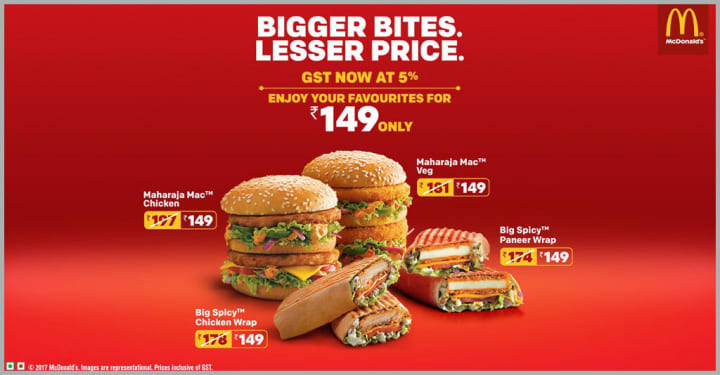
- Unique Recipe and Appeal: The Big Mac’s two all-beef patties, special sauce, lettuce, cheese, pickles, onions, and sesame seed bun created a distinctive flavor profile that resonated with customers. Its balance of flavors and satisfying portion size established it as a go-to option for fast-food lovers.
- Iconic Branding: The Big Mac has been supported by memorable marketing campaigns, such as the famous jingle: “Two all-beef patties, special sauce, lettuce, cheese, pickles, onions on a sesame seed bun.” This catchy line helped solidify the Big Mac in public consciousness and made it an icon of fast food.
- Global Standardization: As McDonald’s expanded globally, the Big Mac became a symbol of consistency. Customers could enjoy the same Big Mac experience whether in New York, Tokyo, or Paris, reinforcing the brand’s promise of reliability.
- Cultural Relevance: The Big Mac’s influence extended beyond food into economics and culture. The Big Mac Index, introduced by The Economist in 1986, uses the sandwich’s price as an informal measure of purchasing power parity across countries, showcasing its role as a global standard.
- Innovative Marketing: Over the years, McDonald’s has kept the Big Mac relevant through limited-time promotions, meal deals, and creative advertising. Campaigns celebrating milestones, like the launch of the Grand Big Mac and Mac Jr., reintroduced the product to new generations.
Cultural and Market Impact
The Big Mac has become a global icon, representing the widespread appeal of fast food. Its recipe and branding have remained largely unchanged, underscoring the importance of consistency in building customer loyalty. Beyond its culinary success, the Big Mac has become a symbol of American culture and globalization.
The Big Mac Legacy
With billions of units sold worldwide, the Big Mac continues to be a cornerstone of McDonald’s menu and a significant contributor to the company’s revenue. It embodies McDonald’s commitment to delivering quality and satisfaction to its customers, reinforcing the brand's dominance in the fast-food industry.
Lessons from the Big Mac’s Success
The story of the Big Mac highlights:
- The importance of creating a signature product that sets a brand apart.
- Leveraging strong branding and marketing to build lasting customer recognition.
- Maintaining consistency across global markets to enhance trust and reliability.
- Using cultural and economic relevance to elevate a product beyond its primary market.
The Big Mac remains a testament to how simplicity, consistency, and strategic marketing can turn a menu item into a timeless global phenomenon.
7. Tesla Model S: A Revolutionary Product Success Story
The Tesla Model S is a groundbreaking electric vehicle (EV) that redefined the automotive industry, setting a new standard for performance, design, and sustainability. Introduced in 2012, the Model S was Tesla’s first mass-market sedan, blending cutting-edge technology with luxury, and proving that electric cars could outperform traditional internal combustion vehicles.
Key Factors in the Model S’s Success
- Innovative Technology: The Model S showcased Tesla’s commitment to innovation with features like long-range lithium-ion batteries, over-the-air software updates, and a state-of-the-art autopilot system. Its remarkable acceleration, with a 0-60 mph time as fast as 1.99 seconds in the Plaid model, positioned it as a leader in EV performance.
- Extended Range and Efficiency: Unlike earlier EVs with limited ranges, the Model S offered an impressive driving range of over 400 miles on a single charge in later models, addressing one of the biggest consumer concerns about electric vehicles.
- Luxury and Design: The sleek, minimalist design of the Model S combined with its luxurious interior and advanced features, such as the large touchscreen interface and premium materials, made it a desirable choice for luxury car buyers.
- Sustainability Appeal: As a zero-emission vehicle, the Model S appealed to environmentally conscious consumers, helping Tesla carve a niche in the growing market for sustainable products.
- Elon Musk’s Vision and Branding: Tesla’s charismatic CEO, Elon Musk, played a key role in promoting the Model S and Tesla’s mission to accelerate the world’s transition to sustainable energy. His vision and ability to generate excitement around the brand attracted both loyal customers and investors.
Cultural and Market Impact
The Model S revolutionized public perception of electric vehicles, proving that EVs could be both practical and exhilarating. It became a status symbol, appealing to tech enthusiasts, early adopters, and environmentally conscious consumers alike.
Tesla’s success with the Model S also pressured traditional automakers to accelerate their development of EVs, fundamentally shifting the industry’s trajectory toward electrification.
The Model S Legacy
The Tesla Model S remains one of the most influential cars of the 21st century. It has won numerous awards, including MotorTrend's "Ultimate Car of the Year" and has been a benchmark for EV innovation. The Model S has not only elevated Tesla as a global automotive leader but also catalyzed a broader shift toward sustainable transportation.
Lessons from the Tesla Model S’s Success
The story of the Tesla Model S provides valuable insights:
- Innovation and disruption can redefine industries, even in well-established markets like automotive.
- Addressing consumer pain points (e.g., range anxiety, and performance concerns) is critical for market adoption.
- Strong branding, combined with a clear mission, can elevate a product into a cultural phenomenon.
- Constant updates and improvements can keep a product relevant over time.
The Tesla Model S exemplifies how a visionary product can spark widespread change, paving the way for a more sustainable future while securing its place as an icon of modern automotive excellence.

8. Sony Walkman: A Revolutionary Product Success Story
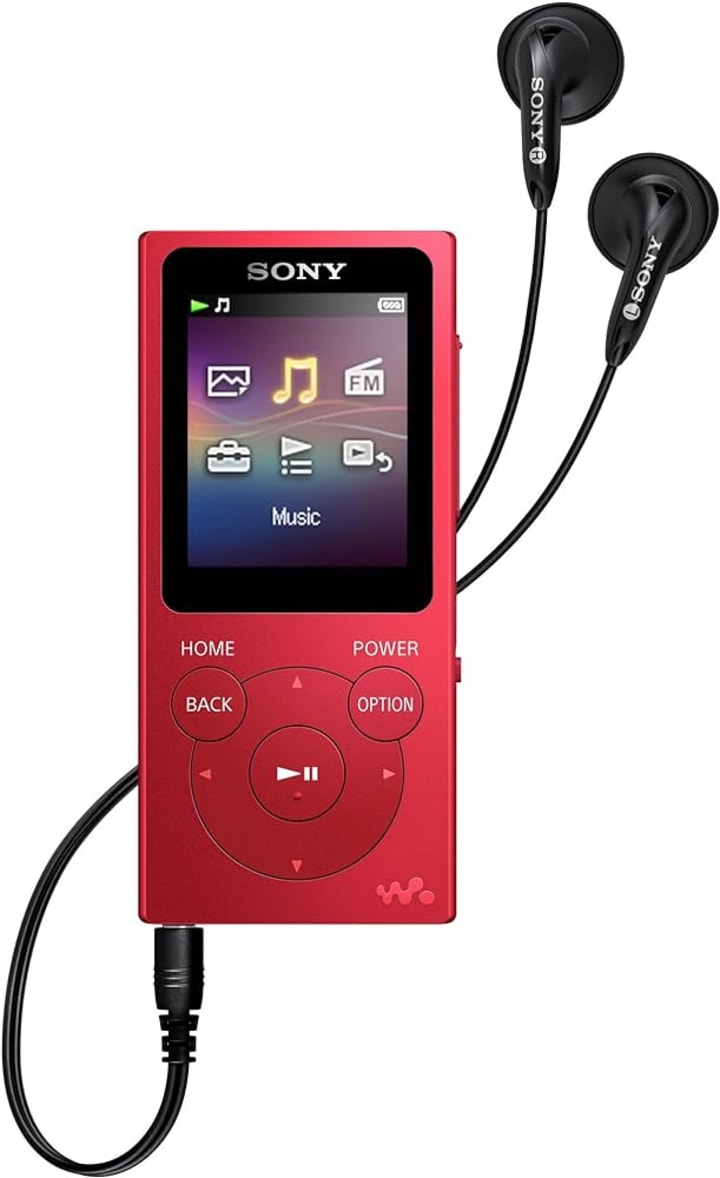
The Sony Walkman, introduced in 1979, revolutionized how people consumed music, marking the birth of portable audio devices. Developed by Sony co-founder Masaru Ibuka and engineer Nobutoshi Kihara, the Walkman allowed users to carry and listen to their favorite music wherever they went, transforming personal entertainment and laying the foundation for modern portable media players.
Key Factors in the Walkman’s Success
- Innovative Concept: The Walkman was a groundbreaking product that enabled portable, personal music consumption. Its compact size and lightweight design made it a convenient choice for people on the go, from commuters to joggers.
- High-Quality Audio: Equipped with stereo sound, the Walkman provided a superior listening experience compared to other portable audio devices of its time. This focus on quality resonated with music enthusiasts.
- Iconic Design: The sleek and stylish design of the Walkman, along with its comfortable headphones, appealed to a wide range of consumers. The device’s portability and trendy appearance made it a must-have accessory.
- Strong Marketing Campaigns: Sony’s marketing emphasized the Walkman as a lifestyle product. Campaigns showcased active, youthful individuals enjoying music on the go, successfully positioning the device as an essential part of modern life.
- Cultural Impact: The Walkman became a cultural phenomenon, influencing how people interacted with music and paving the way for the personalization of entertainment. It was especially popular among younger audiences, who valued its convenience and individuality.
Cultural and Market Impact
The Sony Walkman transformed the way people consumed music, promoting the concept of music as a personal and portable experience. It also influenced other industries, leading to the development of portable CD players, MP3 players, and eventually, smartphones.
The Walkman defined an era, becoming synonymous with the 1980s and inspiring an entire generation to embrace the idea of listening to music anywhere, anytime.
The Walkman’s Legacy
The Walkman sold hundreds of millions of units globally and remained a dominant force in the portable audio market for decades. While later replaced by more advanced digital devices, the Walkman remains a symbol of innovation and cultural significance.
Sony’s pioneering approach with the Walkman established the company as a leader in consumer electronics and inspired continuous innovation in portable entertainment.
Lessons from the Walkman’s Success
The story of the Sony Walkman offers valuable insights:
- Identifying and fulfilling a previously unmet consumer need can create entirely new markets.
- Focusing on both functionality and design can enhance a product’s appeal.
- Strong branding and marketing can transform a product into a cultural icon.
- Continual evolution and adaptation are necessary to maintain relevance in a fast-changing market.
The Sony Walkman remains a testament to how a simple idea—making music portable—can revolutionize an industry, redefine consumer habits, and leave an indelible mark on popular culture.
9. Google Search Engine: A Pioneering Product Success Story
Launched in 1998 by Larry Page and Sergey Brin, Google Search revolutionized the way people access and interact with information online. From a university research project to the most widely used search engine in the world, Google has become synonymous with internet searching and has transformed the way we browse, communicate, and do business in the digital age.
Key Factors in Google Search’s Success
- Innovative Algorithm – PageRank: Google’s breakthrough came with its PageRank algorithm, which ranked websites based on the number and quality of links pointing to them. This algorithm was a significant improvement over existing search engines, which mainly ranked results based on keyword frequency. PageRank’s focus on relevance and authority led to more accurate and useful search results.
- Speed and Simplicity: Google’s clean, minimalist design and lightning-fast search results set it apart from other search engines. The simplicity of the interface, with just a search bar and few distractions, provided a more user-friendly experience. This contrast with the cluttered, advertisement-heavy designs of competitors made Google more appealing to users.
- Consistent Innovation: Google continuously improved its search engine, expanding its capabilities with features like autocomplete, voice search, image search, and personalized search results based on user behavior. Innovations like Google Knowledge Graph and Google Now helped refine search results, providing richer, more relevant information.
- Adoption of a Scalable Business Model – AdWords: Google monetized its search engine with AdWords, an advertising platform that allowed businesses to target users with ads based on their search queries. This model proved highly effective and scalable, making Google a dominant player in the online advertising market and fueling its rapid growth.
- Global Reach and Accessibility: Google expanded its reach globally, ensuring that its search engine was available in multiple languages and tailored to regional needs. Its infrastructure innovations, such as the development of a global network of data centers, ensured fast and reliable access to Google Search worldwide.
Cultural and Market Impact
Google Search has become deeply integrated into daily life, influencing everything from how we learn and shop to how we communicate and interact with brands. The term "Google" has even become a verb, "to Google," meaning to search for something online, highlighting its cultural impact.
The search engine also reshaped industries, disrupting traditional businesses like encyclopedias, directories, and print advertising. As a result, Google has played a pivotal role in the growth of the digital economy, driving significant changes in how businesses market and reach customers.
The Google Search Engine Legacy
Today, Google Search processes billions of searches every day, making it the dominant search engine in the world. It remains at the heart of Google’s ecosystem, with a massive influence on the development of other Google products like YouTube, Google Maps, and Google Drive.
Beyond just a tool, Google Search has become an essential part of modern life. Its mission to "organize the world’s information and make it universally accessible and useful" has shaped the direction of the internet, making knowledge and resources more accessible to billions of people.
Lessons from Google Search’s Success
The success story of Google Search offers valuable lessons:
- Innovation and Problem Solving: Addressing an existing problem—poor search result relevance—can lead to breakthrough innovations that transform an industry.
- Simplicity and User Experience: A clean, user-centric design can set a product apart in a competitive market.
- Scalable Business Model: A well-executed advertising model can create a sustainable revenue stream while adding value to users.
- Constant Improvement: Continuous innovation, focusing on user experience and staying ahead of the competition, is essential for long-term success.
Google Search’s journey demonstrates how technology, innovation, and user focus can revolutionize industries, reshape societies, and change the way people interact with the world.

10. Dyson Vacuum Cleaners: A Product Success Story of Innovation and Design
Dyson Vacuum Cleaners have become synonymous with cutting-edge technology, sleek design, and powerful suction, changing the way we think about cleaning. Founded in 1991 by Sir James Dyson, the British technology company revolutionized the vacuum cleaner industry with its bagless, cyclonic separation technology. Dyson's vacuums are now among the most popular and trusted brands in household cleaning products worldwide.
Key Factors in Dyson Vacuum Cleaners’ Success
- Innovative Technology – Cyclone Technology: Dyson’s revolutionary cyclonic separation technology was a game-changer in the vacuum cleaner industry. Unlike traditional vacuums that use bags, Dyson’s cyclonic system uses centrifugal force to separate dust and dirt from the air, preventing loss of suction and maintaining high performance for longer periods. This innovation solved a major pain point for consumers, as bagged vacuums often lost suction power as the bag filled up.
- Design and Aesthetics: Dyson vacuums are known for their modern, futuristic design. The bold use of transparent plastic, vibrant colors, and sleek, ergonomic shapes make the vacuums stand out in any room. Dyson’s design focus not only made its products functional but also elevated them to a premium, desirable status symbol.
- Performance and Efficiency: Dyson vacuums consistently deliver high performance. From their powerful suction capabilities to their efficiency in cleaning both carpets and hard floors, these vacuums are designed to tackle a wide range of cleaning tasks. Models like the Dyson V series cordless vacuums are lightweight, versatile, and easy to maneuver, allowing users to clean every corner with ease.
- Brand Reputation and Innovation: Dyson’s consistent focus on innovation has solidified its reputation as a leader in the vacuum cleaner market. The company continuously invests in research and development, resulting in new products like the Dyson Airwrap (hair care), Dyson Supersonic (hair dryer), and the Dyson Pure Cool (air purifier). Dyson has built a strong brand identity by delivering high-quality, cutting-edge products that push the boundaries of design and technology.
- Customer-Centric Marketing: Dyson markets its vacuum cleaners as premium products that deliver unmatched performance. Its marketing highlights the unique benefits of Dyson technology, such as long-lasting suction power and the ability to clean more efficiently. Dyson’s advertising and customer service reflect a commitment to quality, which resonates with consumers seeking the best cleaning solutions.
Cultural and Market Impact
Dyson Vacuum Cleaners have transformed the home appliance industry, offering a cleaner, more efficient way to keep homes tidy. Dyson’s bagless technology and powerful suction have set new standards for the vacuum market, prompting other brands to innovate and improve their own products.
The Dyson brand has become a status symbol for many consumers, particularly in the premium appliance market. The company’s focus on design and performance has made Dyson vacuums not just functional tools but objects of desire for customers willing to invest in quality.
Dyson’s success has also paved the way for broader applications of its technology, such as air purifiers, hair care products, and bladeless fans, showcasing the versatility and impact of Dyson’s innovations.
The Dyson Vacuum Cleaner Legacy
With millions of units sold globally, Dyson continues to lead the market in vacuum cleaner technology. The company’s products have earned numerous awards for design and engineering, including the prestigious Red Dot and iF Design awards. Dyson has become one of the world’s most recognized and trusted brands, setting trends for both home cleaning and technological innovation.
Lessons from Dyson Vacuum Cleaners’ Success
The story of Dyson Vacuum Cleaners provides valuable insights into product development and marketing:
- Innovation as a Differentiator: Revolutionizing an existing product category with new technology can help a brand carve out a unique space in the market.
- Design Matters: Investing in attractive, functional design can elevate a product and turn it into a coveted item.
- Customer-Centric Approach: Consistently delivering superior performance, reliability, and customer service builds long-lasting brand loyalty.
- Premium Pricing Strategy: Positioning a product as premium and backing it up with high-quality performance and design can command higher price points and attract discerning consumers.
Dyson’s success with its vacuum cleaners highlights how a focus on innovation, design, and customer experience can turn a product into a market leader and revolutionize an entire industry.

Conclusion on Product Success Stories
Product success stories are powerful examples of how innovation, strategic marketing, and a deep understanding of consumer needs can transform an idea into a market leader. From groundbreaking inventions like the iPhone and Dyson vacuum cleaners to cultural phenomena such as the Sony Walkman and Nike Air Jordans, these stories highlight the importance of addressing gaps in the market, offering unique solutions, and building strong, recognizable brands.
A common thread running through all product success stories is the focus on providing real value to customers. Whether it’s solving a practical problem, improving an existing product, or offering a unique experience, successful products resonate with their target audience by fulfilling a clear need or desire. The ability to continuously innovate and adapt to changing market dynamics also plays a crucial role in maintaining long-term success.
Effective marketing strategies, strong branding, and a commitment to quality often serve as the pillars of these successes. Brands that succeed tend to have a clear vision of their product's place in the market, consistent messaging, and a loyal customer base that spreads positive word-of-mouth.
Ultimately, the stories of products like Apple’s iPhone, Dyson’s vacuum cleaners, and Google’s search engine demonstrate the potential for a well-executed product to reshape industries, create a lasting impact and redefine consumer expectations. These successes show that with the right blend of innovation, design, customer focus, and marketing, almost any product can rise to iconic status and become a symbol of excellence in its category.
By studying these success stories, businesses can gain valuable insights into how to approach product development, refine their marketing strategies, and cultivate customer loyalty. The journey of a successful product is not just about the product itself, but the broader narrative of how it is created, marketed, and embraced by its users.
About the Creator
Keep reading
More stories from Zameer Ahmed Shaikh and writers in Education and other communities.
Innovative Product Marketing Concepts to Stay Ahead in the Market
Introduction to Product in Marketing The product is the cornerstone of any marketing strategy, serving as the primary means through which businesses deliver value to customers. In marketing, a product is more than just a tangible item; it encompasses goods, services, ideas, or experiences that are offered to meet the needs and desires of the target audience. The product is the starting point of the marketing mix, often referred to as the 4Ps (Product, Price, Place, Promotion), making it essential for a business's success.
By Zameer Ahmed Shaikhabout a year ago in Education
Rabbi Shlomo Slatkin, M.S., LCPC on Imago Dialogue, Repair, and Relationship Safety
Rabbi Shlomo Slatkin, M.S., LCPC, is founder and therapist at The Marriage Restoration Project in the Baltimore area. An ordained rabbi and Certified Imago Relationship Therapist and workshop presenter, he guides couples through intensives, retreats, and counseling aimed at restoring safety, communication, and connection after conflict or crisis. He holds a master’s in Counseling Psychology from Loyola University Maryland and trained with the Imago Relationship Institute. Slatkin earned a B.A. in Middle Eastern Studies, with undergraduate study at George Washington University and Oxford, and authored The Five Step Action Plan to a Happy & Healthy Marriage. He also co-edited curricula.
By Scott Douglas Jacobsena day ago in Education
Beyond the Resume: How to Assess Startup Teams When Backgrounds Fall Short
Investors and partners often begin evaluating startup teams by scanning resumes, titles, and past employers. While experience offers helpful signals, it rarely tells the full story in early-stage ventures. Startups operate in uncertain environments where adaptability and judgment matter as much as credentials. Therefore, relying solely on experience can lead to missed opportunities or misplaced confidence.
By Rushi Manchea day ago in Education



Comments
There are no comments for this story
Be the first to respond and start the conversation.