
Dr. B.R. Ambedkar: The Founding Father of Modern India
Architect of Equality, Justice, and a Nation’s Soul

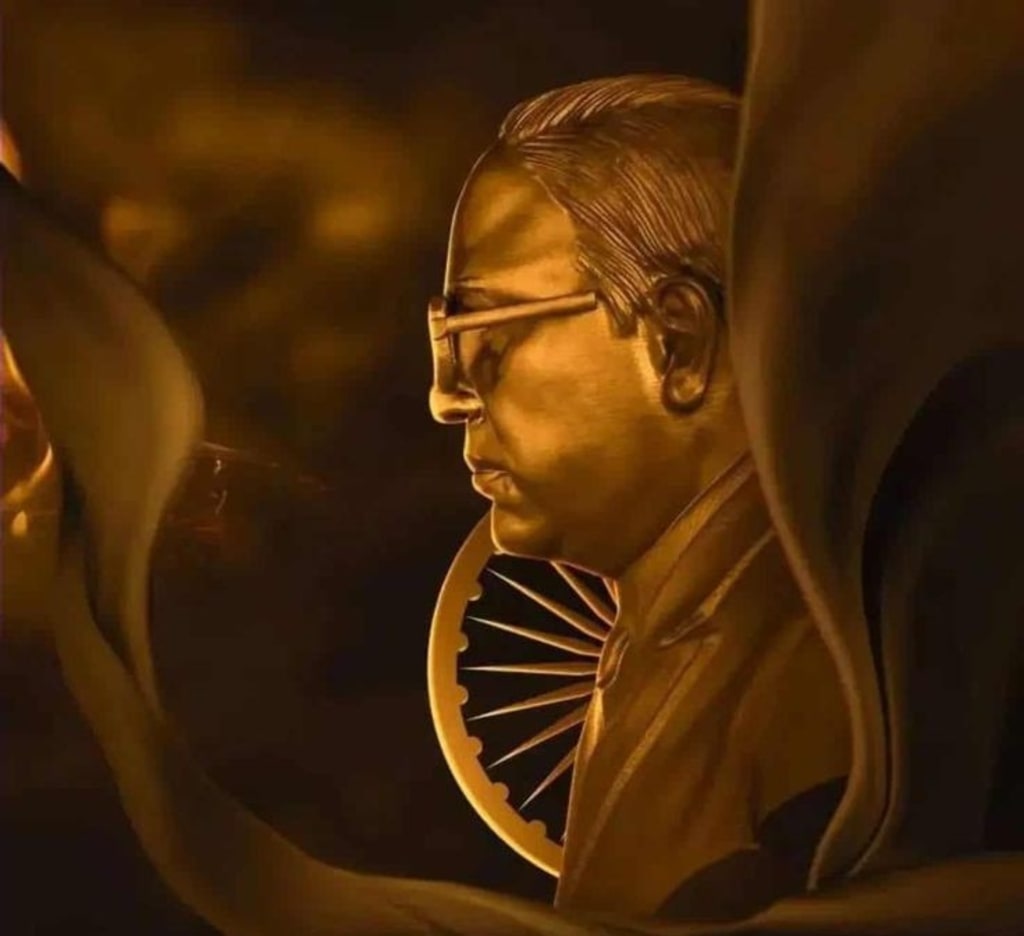
Introduction: The Beacon of Justice
Dr. Bhimrao Ramji Ambedkar, affectionately known as Babasaheb, is revered as the founding father of modern India. Born on April 14, 1891, into a Dalit family, he rose above systemic oppression to become a scholar, jurist, economist, and social reformer whose legacy shapes India’s identity. As the principal architect of the Indian Constitution, Ambedkar’s vision of equality, liberty, and fraternity transformed a nation. His tireless fight against caste discrimination, advocacy for marginalized communities, and contributions to economic and social policy make him an enduring symbol of justice. This post explores why Babasaheb remains India’s most respected and powerful figure.
Crafting a Constitution for All
Ambedkar’s most monumental contribution was drafting India’s Constitution, adopted in 1950. As chairman of the Drafting Committee, he ensured the Constitution enshrined equality and justice, dismantling centuries of caste-based oppression. His insistence on fundamental rights—freedom of speech, religion, and equality before the law—laid the foundation for a democratic India. Notably, Article 17 abolished untouchability, a direct strike against social hierarchy. Ambedkar’s legal acumen, honed at Columbia University and the London School of Economics, infused the Constitution with progressive ideals, balancing individual liberties with collective welfare. His vision ensured that India’s legal framework empowered every citizen, regardless of caste, creed, or gender.
Champion of Social Equality
Ambedkar’s philosophy was rooted in annihilating caste, which he saw as a structural barrier to human dignity. His own experiences of discrimination fueled his resolve to uplift Dalits and other marginalized groups. Through organizations like the Bahishkrit Hitakarini Sabha, he advocated for education and economic empowerment for the oppressed. His 1927 Mahad Satyagraha, where he led Dalits to access public water tanks, was a bold assertion of human rights. Ambedkar’s writings, such as Annihilation of Caste, challenged orthodoxies and called for a society based on equality. His conversion to Buddhism in 1956, along with millions of followers, was a powerful rejection of caste-ridden Hinduism, inspiring a spiritual and social revolution.
Economic Visionary and Labor Advocate
Beyond social reform, Ambedkar was a brilliant economist. His 1918 thesis, The Problem of the Rupee, critiqued British monetary policies, advocating for a gold standard to stabilize India’s economy. As Labour Member of the Viceroy’s Executive Council, he introduced policies to improve workers’ conditions, including the eight-hour workday. Ambedkar envisioned an India where economic justice complemented social equality. His advocacy for land reforms and collective farming aimed to empower farmers, particularly from marginalized communities, by redistributing resources and modernizing agriculture. These ideas remain relevant as India grapples with economic inequality in 2025.
Empowering Women and Marginalized Groups
Ambedkar’s commitment to justice extended to gender equality. He championed women’s rights, advocating for their inclusion in education and employment. The Hindu Code Bill, which he drafted, sought to grant women equal rights in marriage, divorce, and property—reforms that faced resistance but laid the groundwork for later legislation. His focus on uplifting Adivasis, Dalits, and other oppressed groups ensured that India’s democracy was inclusive. Ambedkar’s belief that “the progress of a community is measured by the degree of progress women have achieved” remains a guiding principle for gender equity today.
A Legacy That Endures
In 2025, Ambedkar’s influence is omnipresent. The Constitution he crafted continues to guide India’s democracy, with over 100 amendments reflecting its adaptability. His statues adorn cities, and his teachings inspire movements for social justice. Educational institutions, scholarships, and policies for marginalized communities owe much to his vision. In a nation of 1.4 billion, where caste and inequality persist, Ambedkar’s call for fraternity and justice resonates powerfully. His Bharat Ratna award in 1990, though posthumous, underscores his unparalleled contribution to India’s soul.
Conclusion: The Eternal Flame of Ambedkar
Dr. B.R. Ambedkar was more than a leader—he was a revolutionary who reshaped India’s destiny. As the architect of the Constitution, a crusader against caste, an economic visionary, and a champion of the marginalized, Babasaheb’s legacy is a beacon of hope. His life teaches us that true nation-building lies in empowering the weakest. As we honor this extremely respected founding father, let us recommit to his dream of an India where equality, justice, and dignity prevail for all.
About the Creator
Arjun. S. Gaikwad
Truth Writing unveils reality beyond illusion, power, and propaganda words that awaken conscience and challenge comfort. Fearless, honest, and thought-provoking, it explores politics, humanity, and spirit to inspire awareness and change.
Keep reading
More stories from Arjun. S. Gaikwad and writers in Education and other communities.
Dr. B.R. Ambedkar’s Philosophy on Labour: Empowering the Backbone of Society
Introduction: A Champion of the Working Class Dr. Bhimrao Ramji Ambedkar, fondly known as Babasaheb, is revered as the architect of India’s Constitution and a tireless advocate for social justice. Less celebrated but equally profound is his philosophy on labour, which sought to uplift workers from exploitation and ensure their dignity. Born into a Dalit family on April 14, 1891, Ambedkar’s own experiences of caste-based discrimination shaped his deep empathy for labourers, particularly those marginalized by caste and class. His vision for labour was rooted in equality, fair wages, and humane working conditions, making it a cornerstone of his fight for a just society. This post explores Babasaheb’s powerful philosophy on labour and its enduring relevance.
By Arjun. S. Gaikwad6 months ago in Education
From Despair to Hope: How Animal Rescue Efforts Rebuild Broken Lives
Animal rescue efforts stand as a powerful response to suffering that often goes unseen. Across towns, cities, and rural areas, animals face neglect, abandonment, injury, and fear every day. Many are left without food, shelter, or medical care. Others are harmed by abuse or natural disasters. Without help, their future is uncertain. Through patience, care, and action, animal rescue efforts transform despair into hope and give animals the chance to heal and live safely.
By Brenda McGrane4 days ago in Education




Comments
There are no comments for this story
Be the first to respond and start the conversation.