
Dr. B.R. Ambedkar’s Philosophy on Labour: Empowering the Backbone of Society
Babasaheb’s Vision for Dignity, Equality, and Justice for Workers

Introduction: A Champion of the Working Class
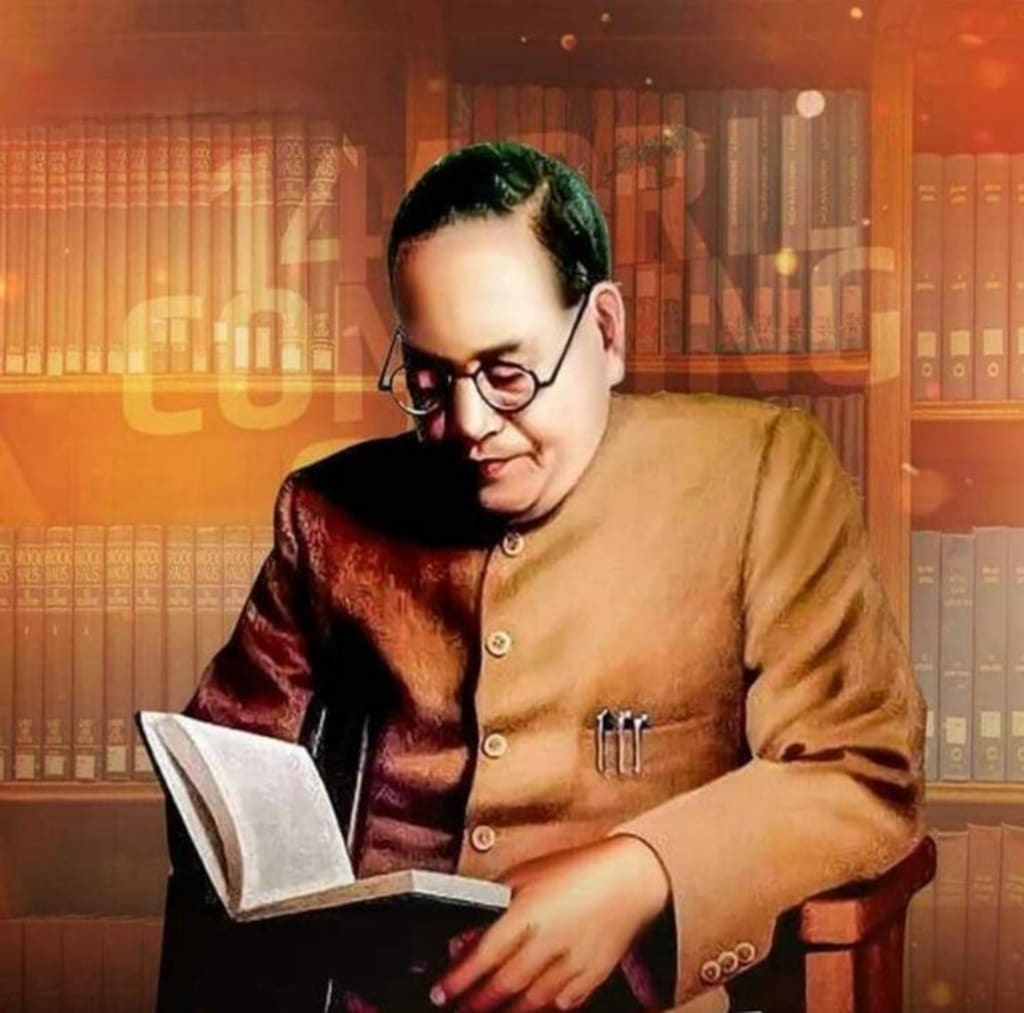
Dr. Bhimrao Ramji Ambedkar, fondly known as Babasaheb, is revered as the architect of India’s Constitution and a tireless advocate for social justice. Less celebrated but equally profound is his philosophy on labour, which sought to uplift workers from exploitation and ensure their dignity. Born into a Dalit family on April 14, 1891, Ambedkar’s own experiences of caste-based discrimination shaped his deep empathy for labourers, particularly those marginalized by caste and class. His vision for labour was rooted in equality, fair wages, and humane working conditions, making it a cornerstone of his fight for a just society. This post explores Babasaheb’s powerful philosophy on labour and its enduring relevance.
Dismantling Caste-Based Labour Exploitation
Ambedkar recognized that labour in India was deeply entangled with caste oppression. Traditional occupations, often hereditary and caste-based, trapped Dalits and lower-caste communities in degrading, low-paying jobs like manual scavenging or agricultural labour. In his seminal work, Annihilation of Caste, Ambedkar argued that caste perpetuated economic exploitation by denying workers mobility and dignity. He advocated abolishing caste-based labour divisions, proposing that every individual should have the freedom to choose their profession. By linking labour rights to social justice, Ambedkar challenged the systemic devaluation of workers from marginalized communities, demanding equal opportunities and respect for all.
Advocacy for Fair Wages and Conditions
Central to Ambedkar’s philosophy was the belief that labour deserved fair compensation and humane treatment. As a member of the Viceroy’s Executive Council in the 1940s, he championed policies to improve workers’ lives, including the reduction of working hours and the introduction of health and safety measures. He played a key role in shaping the Indian Factories Act of 1948, which set standards for workplace safety and reasonable hours. Ambedkar argued that fair wages were not just economic necessities but moral imperatives, ensuring workers could live with dignity. His push for minimum wage laws laid the groundwork for protecting India’s unorganized labour force, which constitutes over 90% of the workforce even today.
Empowering Workers Through Organization
Ambedkar believed that collective action was essential for labour empowerment. He encouraged workers to form trade unions to negotiate better wages and conditions, emphasizing solidarity across caste and class lines. In 1938, he founded the Independent Labour Party to represent workers’ interests, advocating for their political and economic rights. His philosophy stressed that organized labour could challenge exploitative employers and influence policy. By fostering unity, Ambedkar sought to empower workers to demand their rightful share of economic progress, a vision that resonates with modern labour movements fighting for gig workers and informal sector rights.
State Responsibility and Social Justice
Ambedkar’s labour philosophy extended to state intervention. He envisioned a socialist framework where the state ensured equitable resource distribution and protected workers from exploitation. In his States and Minorities, he proposed nationalizing key industries to prioritize workers’ welfare over profit. This approach aimed to uplift marginalized labourers, particularly Dalits, who faced systemic exclusion from economic opportunities. Ambedkar’s insistence on state responsibility remains relevant, as India grapples with issues like wage theft and precarious employment in 2025, with over 50 million workers in the informal sector lacking social security.
Relevance in the Modern Era
Babasaheb’s labour philosophy is a beacon for today’s challenges. With automation and globalization reshaping work, his call for fair wages, safe conditions, and worker empowerment remains critical. His vision of dismantling caste-based labour divisions aligns with ongoing efforts to ensure equal opportunities for marginalized communities. Recent government initiatives, like the 2025 labour codes aiming to streamline worker protections, echo Ambedkar’s emphasis on state-led reforms, though gaps in implementation persist. His ideas inspire activists and policymakers to address modern labour issues, from gig economy exploitation to gender disparities in workplaces.
Conclusion: A Legacy of Labour Dignity
Dr. B.R. Ambedkar’s philosophy on labour was a powerful extension of his fight for justice. By challenging caste-based exploitation, advocating fair wages, promoting worker organization, and emphasizing state responsibility, Babasaheb envisioned a world where every labourer was valued and empowered. His ideas remain a guiding light for building an equitable society where work is a source of dignity, not oppression. As we honor the extremely respected Babasaheb, let us recommit to his vision of labour justice, ensuring that every worker’s contribution is celebrated and protected.
About the Creator
Arjun. S. Gaikwad
Truth Writing unveils reality beyond illusion, power, and propaganda words that awaken conscience and challenge comfort. Fearless, honest, and thought-provoking, it explores politics, humanity, and spirit to inspire awareness and change.
Keep reading
More stories from Arjun. S. Gaikwad and writers in Education and other communities.
Dr. B.R. Ambedkar’s Visionary Philosophy on Technology: Empowering a Just Future
Introduction: Technology as a Tool for Justice Dr. Bhimrao Ramji Ambedkar, fondly known as Babasaheb, is revered as the architect of India’s Constitution and a tireless advocate for social justice. Less explored, yet profoundly impactful, is his philosophy on technology as a catalyst for equality and progress. Born on April 14, 1891, into a marginalized Dalit family, Ambedkar understood technology’s potential to uplift oppressed communities and transform society. His vision emphasized equitable access to technological advancements, modernization of industries, and dismantling caste-based barriers through scientific progress. This post delves into Babasaheb’s powerful ideas on technology, showcasing their relevance in shaping an inclusive, forward-thinking world.
By Arjun. S. Gaikwad6 months ago in Education
The Hidden Importance of Design Hierarchy: How Layout Guides Attention and Improves Readability
Design Hierarchy Is the Foundation of a Clear, Effective Website Design hierarchy is one of the most influential principles in web design — yet it’s often overlooked by users because a strong hierarchy feels seamless and natural. Hierarchy determines what people notice first, how they scan a page, and what they choose to engage with. When done correctly, it guides attention effortlessly, improves readability, and makes websites feel intuitive.
By Power Marketing International3 days ago in Education
Me and Study: Nights I Didn’t Tell Anyone About
There were nights when the world slept, and I stayed awake with my books like they were the only witnesses to my existence. No one knew about those hours—not my friends, not my family, not even the version of me I showed during the day. These were the nights I didn’t talk about, because explaining them felt heavier than living through them.
By Inamullah Momand 5 days ago in Education



Comments
There are no comments for this story
Be the first to respond and start the conversation.