
Dr. B.R. Ambedkar: The Father of Just India
Architect of Equality, Champion of Dignity, and Visionary of a Modern Nation


Introduction: The Beacon of Justice
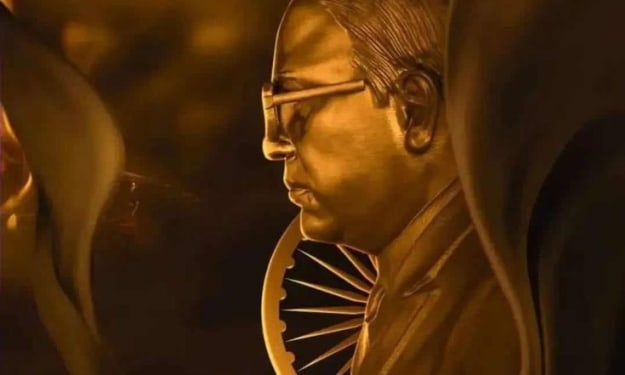
Dr. Bhimrao Ramji Ambedkar, fondly revered as Babasaheb, stands as an indomitable figure in India’s history, earning the title “Father of Just India.” Born on April 14, 1891, into a Dalit family, Ambedkar transcended unimaginable barriers of caste and poverty to become the architect of India’s Constitution and a global icon of social justice. His life’s work—dismantling caste oppression, advocating for equality, and envisioning an inclusive India—remains a powerful force in shaping a modern, equitable nation. This post explores Ambedkar’s transformative contributions, his unwavering commitment to justice, and his enduring legacy as a beacon of hope for millions.
Breaking the Chains of Caste
Ambedkar’s philosophy was rooted in his lived experience of caste-based discrimination. As a Dalit, he faced systemic exclusion, yet his brilliance earned him degrees from Columbia University and the London School of Economics. He channeled this intellect into a relentless fight against caste oppression. His seminal work, Annihilation of Caste (1936), exposed the deep-rooted inequalities of the caste system, calling for its complete eradication. Ambedkar argued that caste was not just a social evil but an economic and political tool of subjugation. His leadership in movements like the Mahad Satyagraha (1927), which demanded water access for Dalits, ignited a nationwide awakening, empowering marginalized communities to reclaim their dignity.
Architect of the Constitution
As the chairman of the Drafting Committee of India’s Constitution, Ambedkar crafted a document that enshrined equality, liberty, and fraternity as the nation’s bedrock. Enacted in 1950, the Constitution abolished untouchability, guaranteed fundamental rights, and introduced affirmative action through reservations for Scheduled Castes and Tribes. Ambedkar’s vision ensured that India’s legal framework protected the marginalized, giving voice to the voiceless. His insistence on equality before the law and social justice laid the foundation for a democratic India, earning him global admiration as a pioneer of human rights. The Constitution remains a living testament to his belief that justice is the cornerstone of a thriving nation.
Champion of Economic and Social Equity
Ambedkar’s vision extended beyond legal reforms to economic empowerment. He recognized that true equality required dismantling economic disparities tied to caste and class. His advocacy for land reforms, collective farming, and state socialism aimed to uplift farmers and laborers, particularly Dalits. In his writings, he proposed nationalizing key industries to ensure equitable resource distribution. Ambedkar also championed women’s rights, pushing for gender equality in inheritance and marriage laws, far ahead of his time. His holistic approach—blending social, economic, and political reforms—demonstrated his foresight in building an inclusive society.
Embracing Buddhism: A Spiritual Revolution
In 1956, Ambedkar embraced Buddhism, leading over 500,000 followers in a historic conversion to reject caste-ridden Hinduism. He saw Buddhism as a path to spiritual and social liberation, emphasizing rationality, equality, and compassion. This act was not merely religious but a revolutionary statement against caste oppression, inspiring millions to seek dignity through self-transformation. His The Buddha and His Dhamma remains a guiding text for Neo-Buddhists, reflecting his belief that personal and societal change are interconnected.
Legacy and Relevance in 2025
Ambedkar’s legacy is as vital today as ever. In 2025, as India grapples with ongoing challenges of inequality, his teachings inspire movements for social justice and inclusive development. The government’s continued emphasis on schemes like Skill India and rural upliftment echoes Ambedkar’s vision of economic empowerment. His statues, adorning villages and cities, symbolize hope for millions. Globally, his ideas resonate in fights against discrimination, earning him recognition as a universal champion of human rights.
Conclusion: The Eternal Flame of Justice
Dr. B.R. Ambedkar, the Father of Just India, transformed a nation through his intellect, courage, and compassion. His fight against caste, his architectural genius in shaping the Constitution, and his vision for an equitable society make him an icon of unparalleled stature. Babasaheb’s life reminds us that justice is not just a principle but a lived reality to be fought for daily. As we honor his legacy, let us recommit to his dream of an India where every individual stands tall, equal, and free.
About the Creator
Arjun. S. Gaikwad
Truth Writing unveils reality beyond illusion, power, and propaganda words that awaken conscience and challenge comfort. Fearless, honest, and thought-provoking, it explores politics, humanity, and spirit to inspire awareness and change.
Keep reading
More stories from Arjun. S. Gaikwad and writers in Education and other communities.
Dr. B.R. Ambedkar: The Founding Father of Modern India
Introduction: The Beacon of Justice Dr. Bhimrao Ramji Ambedkar, affectionately known as Babasaheb, is revered as the founding father of modern India. Born on April 14, 1891, into a Dalit family, he rose above systemic oppression to become a scholar, jurist, economist, and social reformer whose legacy shapes India’s identity. As the principal architect of the Indian Constitution, Ambedkar’s vision of equality, liberty, and fraternity transformed a nation. His tireless fight against caste discrimination, advocacy for marginalized communities, and contributions to economic and social policy make him an enduring symbol of justice. This post explores why Babasaheb remains India’s most respected and powerful figure.
By Arjun. S. Gaikwad6 months ago in Education
How Business Coaching Helps Founders Scale With Clarity and Control
Business coaching assists founders to scale since hustle and reactivity are substituted with structure, systems and strategic leadership. Strategic coaching provides clarity in the marketing, operations, leadership, and decision-making roles of the business, eliminating the need to use the owner as the bottleneck, instead enabling the business to expand without havoc, burnout, or firefighting.
By Alice Adamsa day ago in Education


Comments
There are no comments for this story
Be the first to respond and start the conversation.