
Dr. B.R. Ambedkar’s Visionary Philosophy on Technology: Empowering a Just Future
How Babasaheb’s Insights on Technology Championed Equality and Progress

Introduction: Technology as a Tool for Justice
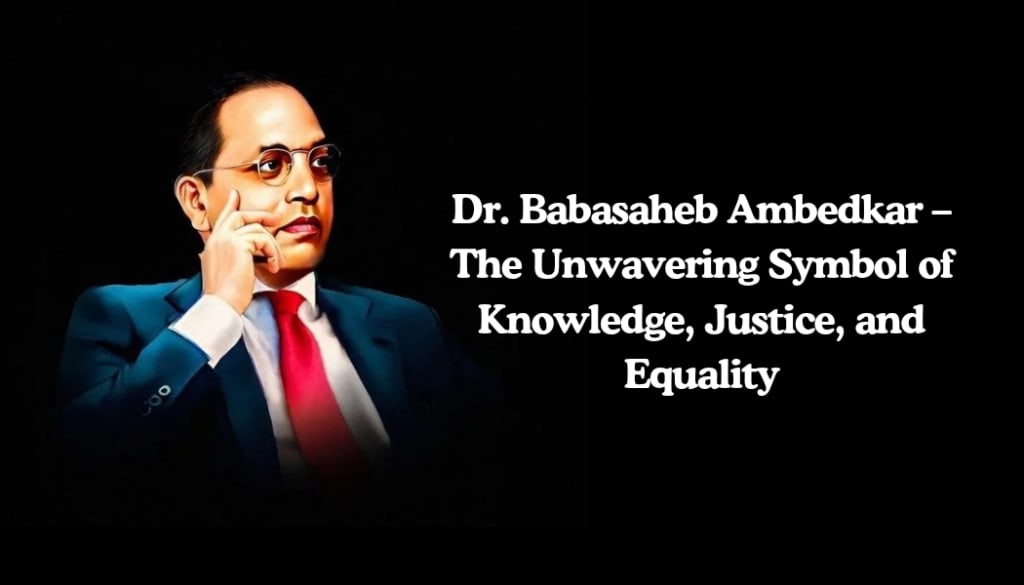
Dr. Bhimrao Ramji Ambedkar, fondly known as Babasaheb, is revered as the architect of India’s Constitution and a tireless advocate for social justice. Less explored, yet profoundly impactful, is his philosophy on technology as a catalyst for equality and progress. Born on April 14, 1891, into a marginalized Dalit family, Ambedkar understood technology’s potential to uplift oppressed communities and transform society. His vision emphasized equitable access to technological advancements, modernization of industries, and dismantling caste-based barriers through scientific progress. This post delves into Babasaheb’s powerful ideas on technology, showcasing their relevance in shaping an inclusive, forward-thinking world.
Technology for Economic Emancipation
Ambedkar viewed technology as a means to break the chains of economic oppression. He recognized that marginalized communities, particularly Dalits, were often confined to menial labor due to lack of access to modern tools and education. In his writings, such as those in Annihilation of Caste, he argued that technological advancements in agriculture and industry could reduce dependency on exploitative feudal systems. By advocating for mechanized farming and industrial modernization, Ambedkar envisioned a system where technology empowered laborers with skills and opportunities, reducing caste-driven disparities. His push for state-led industrialization aimed to create jobs and economic independence for the oppressed, aligning technology with social justice.
Education and Technology: Empowering the Marginalized
Central to Ambedkar’s philosophy was the belief that technology must be democratized through education. He saw scientific knowledge and technical skills as tools to uplift marginalized groups. In his speeches, he emphasized the need for technical education institutes to train Dalits, women, and other disadvantaged communities in modern sciences and engineering. By equipping them with skills to operate machinery or engage in industrial processes, Ambedkar sought to dismantle the caste-based division of labor. His establishment of educational institutions, like the Milind College in Aurangabad, reflected his commitment to making technology accessible, fostering self-reliance and dignity among the oppressed.
State Intervention for Technological Equity
Ambedkar’s philosophy advocated for state-driven technological development to ensure equitable distribution of benefits. He believed the government had a responsibility to invest in infrastructure—such as electricity, irrigation, and industrial facilities—to modernize rural and urban economies. In his role as a member of the Viceroy’s Executive Council, he championed projects like the Damodar Valley Corporation, which used technology to harness water resources for irrigation and power generation. These initiatives aimed to improve agricultural productivity and provide energy access to underserved regions, reducing economic inequalities. Ambedkar’s vision of state socialism in technology ensured that advancements served the masses, not just the elite.
Challenges and Ethical Considerations
While optimistic about technology, Ambedkar was pragmatic about its challenges. He cautioned that without equitable policies, technological progress could exacerbate inequalities, concentrating benefits among privileged groups. He urged policymakers to prioritize inclusive access to innovations, ensuring that Dalits and other marginalized communities were not left behind. Additionally, he foresaw the ethical dilemmas of mechanization, such as job displacement for unskilled laborers. His solution was comprehensive training programs to reskill workers, balancing technological advancement with human welfare—a perspective that resonates in today’s debates on automation and AI ethics.
Relevance in the Modern Era
Ambedkar’s philosophy on technology remains strikingly relevant in 2025. As India invests heavily in digital infrastructure—$30 billion allocated for technology-driven development in the 2025 budget—his call for inclusive access to innovations like AI, renewable energy, and digital education echoes loudly. His emphasis on empowering marginalized communities through technology aligns with global efforts to bridge the digital divide. From smart agriculture to inclusive tech education, Ambedkar’s ideas inspire solutions to modern challenges like climate change and economic inequality.
Conclusion: A Legacy of Technological Empowerment
Dr. B.R. Ambedkar’s philosophy on technology was a bold vision for a just and progressive society. By linking technological advancement with social equality, Babasaheb redefined progress as inclusive and transformative. His ideas on education, state intervention, and equitable access to technology continue to guide policymakers and activists. As we navigate the technological revolutions of the 21st century, Ambedkar’s legacy reminds us that technology’s true power lies in its ability to uplift every individual, fostering a society rooted in liberty, equality, and fraternity.
About the Creator
Arjun. S. Gaikwad
Curious mind exploring technology, society, and global change. I write on education, innovation, justice, and the future of humanity— blending science, philosophy, and real-world insights to spark awareness, critical thinking, and hope.
Keep reading
More stories from Arjun. S. Gaikwad and writers in Education and other communities.
Dr. B.R. Ambedkar’s Agrarian Revolution: Empowering Farmers with Justice and Dignity
Introduction: The Agrarian Vision of a Social Reformer Dr. Bhimrao Ramji Ambedkar, fondly known as Babasaheb, is revered as the architect of India’s Constitution and a tireless advocate for social justice. Yet, his profound philosophy on farming remains a lesser-known but transformative aspect of his legacy. Born on April 14, 1891, into a marginalized Dalit family, Ambedkar understood the deep-rooted inequalities that plagued rural India. His agrarian philosophy sought to dismantle oppressive structures, empower marginalized farmers, and modernize agriculture through state intervention and collectivization. This post delves into Babasaheb’s visionary ideas on farming, which continue to inspire a more equitable and sustainable future for Indian agriculture.
By Arjun. S. Gaikwad8 months ago in Education
How Problem-Solving Shapes the Success of Modern Entrepreneurs
Entrepreneurship today is defined by constant change and relentless challenges. Business leaders are no longer operating in stable, predictable environments; instead, they face shifting markets, evolving customer expectations, and rapid technological advancements. In this environment, problem-solving has become the cornerstone of entrepreneurial success. The ability to identify issues, analyze them critically, and create practical solutions separates thriving ventures from those that struggle to survive. Entrepreneurs who develop strong problem-solving skills are better equipped to innovate, make strategic decisions, and guide their businesses toward sustainable growth.
By Greg Warnocka day ago in Education
Genomic Breakthroughs, Life-Changing Impact
Scientific discovery has always played a vital role in advancing human health, but few fields have transformed medicine as dramatically as genomics. By exploring the structure and function of genes, scientists have gained powerful insights into how diseases develop, how individuals respond to treatments, and how health risks can be predicted before symptoms appear. These genomic breakthroughs are not only advancing science but also changing lives around the world. From personalized medicine to improved disease prevention, the impact of genomics is reshaping healthcare, offering hope, understanding, and better outcomes for countless people.
By Mark Bouzyk3 days ago in Education




Comments
There are no comments for this story
Be the first to respond and start the conversation.