
Discover the Best Cat Foods for a Happy Feline
Ensuring your cat's happiness through their diet requires understanding their nutritional needs and preferences.

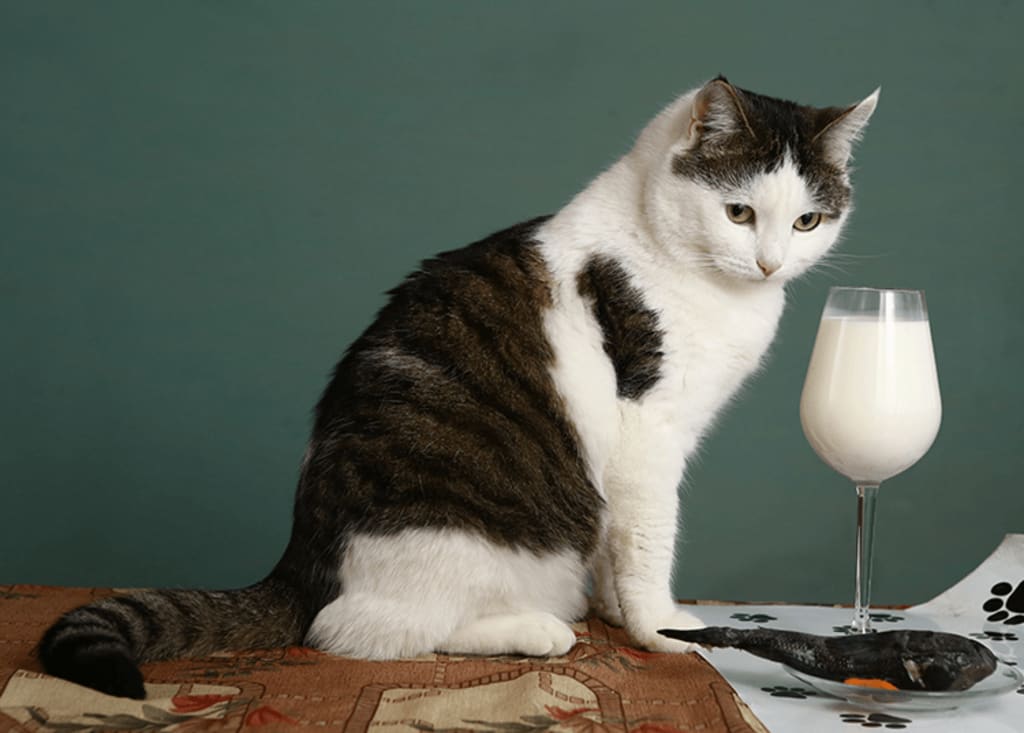
What Food Makes Cats Happy?
With their discerning palates and unique dietary needs, cats deserve the very best nutrition. As pet owners, our goal is to ensure that our feline companions are not only healthy but also happy. Cat food plays a crucial role in achieving this balance. In this comprehensive guide, we explore the types of food that make cats happy, examining their nutritional needs and preferences.
Understanding Feline Nutritional Needs
Essential Nutrients for Cats
Cats are obligate carnivores, so their diet must primarily consist of meat. The key nutrients required for their well-being include:
Protein: Vital for muscle growth and repair.
Taurine: An essential amino acid critical for heart health, vision, and reproduction.
Vitamins: A, D, E, and B vitamins which support various bodily functions.
Minerals: Such as calcium, phosphorus, and magnesium, are necessary for bone health and metabolic processes.
Fatty Acids: Omega-3 and Omega-6 fatty acids for skin and coat health.
Water: Essential for preventing urinary tract diseases and maintaining overall hydration.
Balancing Wet and Dry Cat Food
While dry kibble is convenient and helps maintain dental health, wet food provides essential hydration. A mix of both can offer a balanced diet:
Wet Food: High in moisture, more palatable, and closer to a cat's natural diet.
Dry Food: Convenient, cost-effective, and good for dental health.
Types of Cat Food That Make Cats Happy
High-Quality Commercial Cat Food
Look for cat food that lists meat as the first ingredient and avoids fillers like corn, wheat, and soy. Premium brands ensure a balanced nutrient profile that supports a cat's health and happiness.
Grain-Free Options
Many cats have grain sensitivities. Grain-free diets can prevent digestive issues and allergies, leading to a happier cat. These foods often contain higher levels of animal protein and fewer carbohydrates.
Raw Diets
Some cat owners opt for a raw diet, believing it to be the most natural option. A raw diet typically includes raw meat, organs, and bones, mimicking what cats eat in the wild. It's essential to ensure these diets are nutritionally complete and safe from pathogens.
Homemade Cat Food
Preparing homemade cat food allows for complete control over ingredients. However, it requires careful planning to ensure all nutritional needs are met. Consulting with a veterinarian or a pet nutritionist is crucial when creating homemade meals.
Treats and Supplements for Happiness
Healthy Cat Treats
Treats are an excellent way to bond with your cat and reinforce positive behavior. Choose healthy options that complement their diet, such as freeze-dried meat treats or treats designed to promote dental health.
Supplements
Sometimes, a cat's diet may need to be supplemented to ensure optimal health. Common supplements include:
Taurine: Essential for heart and eye health.
Omega Fatty Acids: For skin and coat health.
Probiotics: To aid in digestion and boost the immune system.
Feeding Practices for a Happy Cat
Consistent Feeding Schedule
Cats thrive on routine. Feeding them at the same times each day can reduce stress and prevent overeating. Consider feeding smaller, more frequent meals to mimic their natural hunting patterns.
Proper Portion Sizes
Overfeeding can lead to obesity, while underfeeding can cause nutritional deficiencies. Follow the feeding guidelines on the cat food packaging and adjust based on your cat's activity level and health.
Clean and Fresh Water
Always provide fresh water to keep your cat hydrated. Some cats prefer running water, so a cat fountain can encourage them to drink more.
Special Dietary Needs and Considerations
Senior Cats
Older cats may require a diet tailored to their changing needs, including joint supplements and easily digestible proteins.
Kittens
Kittens need more protein and calories to support their rapid growth and development. Kitten-specific formulas provide the necessary nutrients for their first year.
Cats with Health Issues
Cats with health problems such as diabetes, kidney disease, or food allergies may need specialized diets. Consult your veterinarian to create an appropriate meal plan.
Recognizing Food Preferences and Aversion
Understanding Preferences
Cats can be picky eaters. Pay attention to the flavors and textures they enjoy and rotate their diet to prevent boredom and ensure balanced nutrition.
Addressing Food Aversion
If your cat suddenly refuses to eat their usual food, it could indicate a health issue. Monitor their behavior and consult a veterinarian if the aversion persists.
Conclusion
Ensuring your cat's happiness through their diet requires understanding their nutritional needs and preferences. A balanced diet, consisting of high-quality commercial food, occasional treats, and the right supplements, can keep your feline friend healthy and content. Remember to consult with your veterinarian to tailor their diet to their specific needs, and always observe how they respond to changes in their feeding routine.
About the Creator
Hye foods
HYE Foods educates and empowers with transparent, nutritious products like camel, soy, coconut, and goat milk powders for a healthier lifestyle.
US Urges Its Citizens to Flee Venezuela Amid Reports of Paramilitaries
The United States has issued a strong warning urging its citizens to immediately leave Venezuela, citing growing security risks and alarming reports of armed paramilitary groups operating across the country. The advisory, released by the US State Department, reflects escalating concern over the deteriorating safety situation as political instability, armed violence, and lawlessness intensify.
By Aarif Lashari7 days ago in Education




Comments (1)
Hey, just wanna let you know that this is more suitable to be posted in the Petlife community 😊