
Digital Marketing Strategy
Digital Marketing Plan & Strategy
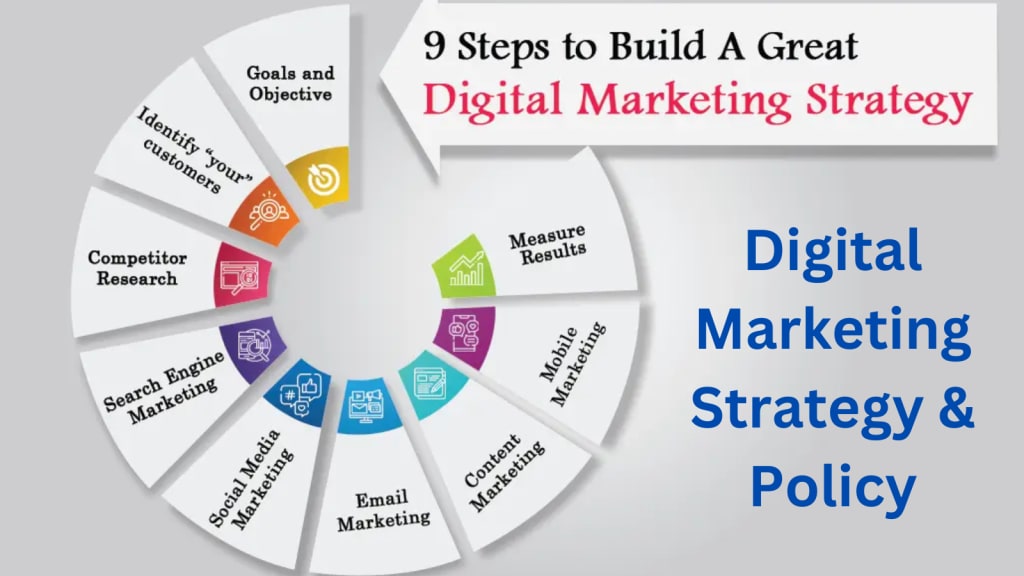
Digital Marketing Strategy: Key Element for in Success
In today’s increasingly connected world, businesses need a strong digital presence to stay competitive. Digital marketing has become an essential aspect of modern business strategies, allowing companies to reach broader audiences, engage with customers, and drive sales. Developing an effective digital marketing strategy is crucial for maximizing online success and achieving business goals. This article explores the key elements of a digital marketing strategy, highlighting how businesses can leverage various tools and techniques to create a comprehensive, results-driven plan.
What is Digital Marketing?
A digital marketing strategy is a plan that uses online channels to achieve marketing goals and increase a business's visibility. It involves using a combination of marketing techniques to connect with customers and potential customers.
A digital marketing strategy can help a business: Build a brand, provide a good customer experience, and attract new customers.
Here are some tips for creating an effective digital marketing strategy:
1. Setting Clear Goal:
The first step in crafting a digital marketing strategy is defining clear, measurable goals. These could range from increasing website traffic to generating leads, boosting online sales, or enhancing brand visibility. Setting goals is important because it allows businesses to stay focused and evaluate their success over time. A popular framework for setting goals is the SMART method, which ensures that objectives are Specific, Measurable, Achievable, Relevant, and Time-bound.
2. Identifying Yours Target Audience:
To create an effective digital marketing strategy, it is vital to understand who your target audience is. Defining the ideal customer helps businesses create content and marketing campaigns that resonate with potential buyers. Demographics such as age, gender, location, interests, and behaviors should be taken into account. Conducting market research, utilizing customer personas, and analyzing competitors' audiences can help identify the key segments that are most likely to connivance.
3. Consider your target audience
Research your target audience to understand their strengths, weaknesses, and needs. Your target audience is a crucial step in creating an effective marketing strategy.
4. Search Engine Optimization (SEO):
SEO is the practice of optimizing your website and content to rank higher in search engine results pages (SERPs). SEO is a crucial component of any digital marketing strategy because the majority of online experiences begin with a search engine. By focusing on on-page SEO (keyword optimization, meta descriptions, headers, etc.), technical SEO (site speed, mobile-friendliness, etc.), and off-page SEO (backlinks and social signals), businesses can improve their organic search rankings and drive relevant traffic to their websites.
5. Content Marketing:
Content is king in the digital world. Content marketing is the process of creating and distributing valuable, relevant, and consistent content to attract and engage a target audience. Content can include blog posts, videos, infographics, podcasts, and eBooks. A content strategy should align with your target audience’s needs and preferences. Whether it's educational blog posts or engaging social media updates, content marketing fosters brand awareness, establishes authority, and builds trust with potential customers.
6. Social Media Marketing:
Social media platforms such as Facebook, Instagram, Twitter, and LinkedIn are powerful tools for reaching and engaging with your audience. Social media marketing allows businesses to share content, interact with customers, and promote products or services. A strong social media strategy involves selecting the right platforms, creating shareable content, posting consistently, and engaging with followers. Social media also allows businesses to run targeted ads, boosting visibility and driving traffic to websites or landing pages.
7. Pay Per Click Advertising (PPC):
PPC advertising involves paying for ads that appear in search engine results or on websites. Google Ads and social media platforms like Facebook and Instagram offer robust PPC advertising solutions. PPC campaigns are designed to drive traffic quickly and effectively, especially when targeting specific keywords or demographics. A successful PPC strategy requires careful keyword selection, budgeting, ad creation, and monitoring performance to ensure a positive return on investment (ROI).
8. Email Marketing:
Email marketing is one of the most effective ways to nurture leads and engage with existing customers. It involves sending targeted messages directly to users’ inboxes, with the goal of encouraging them to take specific actions, such as purchasing a product or signing up for a webinar. Building an email list through opt-ins and providing valuable content (newsletters, promotions, discounts, etc.) can help maintain a strong relationship with your audience. Segmentation and personalization are key to delivering relevant content that resonates with different groups of subscribers.
9. Influencer marketing
Influencer marketing involves partnering with individuals who have a strong online presence and influence within a particular niche or industry. By leveraging the influencer's credibility, businesses can increase brand awareness and drive sales. Influencers can promote products through social media posts, blog reviews, or video content. An effective influencer marketing strategy should focus on selecting the right influencers, ensuring alignment with brand values, and tracking the impact of campaigns on sales and engagement.
10. Analytics Data-Driven Decision:
An essential aspect of digital marketing is measuring and analyzing the performance of your campaigns. By using analytics tools like Google Analytics, social media insights, and email marketing platforms, businesses can track metrics such as traffic, conversions, bounce rates, and user engagement. Data-driven decisions allow businesses to refine their strategy, optimize their efforts, and focus on areas that deliver the highest ROI. A/B testing is another valuable tactic to compare the performance of different campaigns or web pages to determine the most effective approach.
Building A success digital marketing strategy:
A successful digital marketing strategy involves ongoing testing, optimization, and adaptation. It requires businesses to stay up-to-date with evolving digital trends, understand emerging technologies, and be flexible enough to change course when necessary. By combining various marketing tactics, businesses can create a comprehensive approach that reaches their target audience at every stage of the buyer's journey.
Conclusion:
Digital marketing is a dynamic and evolving field that offers tremendous opportunities for businesses to expand their reach, build relationships with customers, and grow their brands. By developing a clear strategy, focusing on SEO, content marketing, social media, PPC, and data analytics, businesses can achieve sustainable success in the digital world. A well-executed digital marketing strategy not only drives traffic but also nurtures lasting customer relationships and enhances the overall brand experience.
About the Creator
Niaj Mahmud
I’m a curious and driven individual who loves learning, creating, and connecting with others. Passionate about [career/hobby], I value kindness, growth, and meaningful relationships. In my free time, I enjoy exploring new ideas and places.
Keep reading
More stories from Niaj Mahmud and writers in Education and other communities.
Marry Christmas
The Magic of Christmas: A Celebration of Joy, Love, and Togetherness Christmas, a time of warmth, wonder, and festivity, is a celebration cherished by millions around the globe. Rooted in religious tradition and intertwined with cultural customs, Christmas has transcended boundaries to become a universal symbol of joy, generosity, and togetherness. This beloved holiday, observed annually on December 25th, evokes a unique blend of nostalgia and anticipation, uniting families, friends, and communities in a spirit of goodwill.
By Niaj Mahmudabout a year ago in Families
Tech on the Move: How Mobile Response Technology Transforms Disaster Relief Operations
Disaster relief operations have always required speed, accuracy, and adaptability. Yet as emergencies grow more frequent and more complex, traditional relief methods often fall short. Communities face collapsing infrastructure, mass displacement, communication failures, and urgent medical needs. In this challenging environment, mobile response technology has emerged as a game-changer. From mobile command centers to portable medical units and satellite-based communication tools, these technologies bring critical support directly into disaster zones. Their mobility and advanced capabilities are reshaping how responders work, strengthening coordination, and accelerating recovery.
By Convoy of Hope4 days ago in Education



Comments (1)
Very thoughtful learning lesson.