
Digital Marketing
Advantage and disadvantage of digital marketing
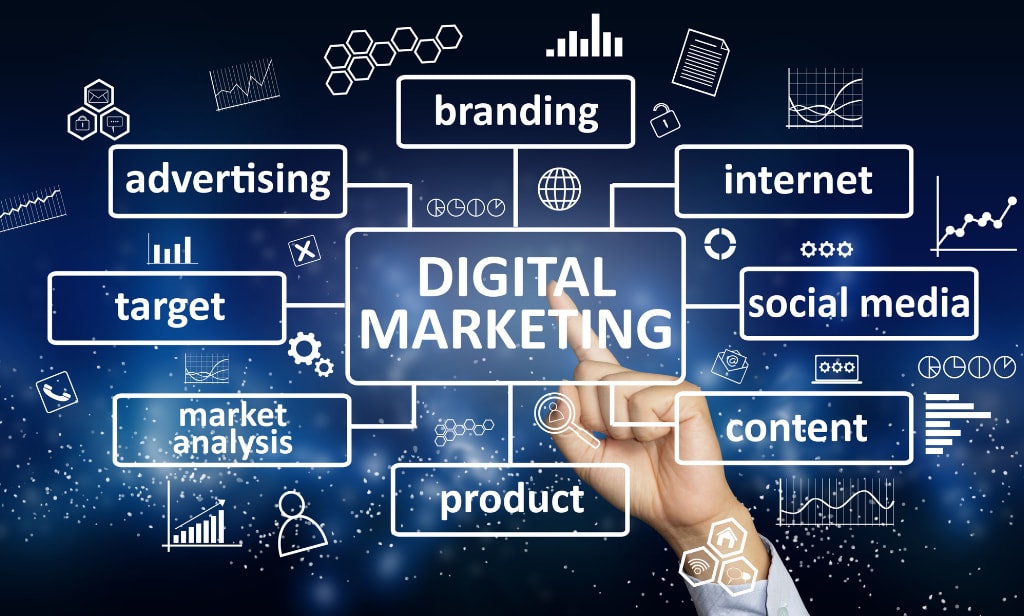
DIGITAL MARKETING:
Digital marketing is the process of promoting products, services or brands through electronic media, including the internet, social media, search engines, email, mobile apps, and other digital channels. The goal of digital marketing is to reach and engage with customers through targeted and personalized content, in order to drive conversions and increase brand awareness.
One key aspect of digital marketing is search engine optimization (SEO), which involves optimizing a website or online content to rank higher in search engine results pages (SERPs). This can be done through a variety of techniques, such as keyword research, meta tags, and backlinks.
Another important aspect of digital marketing is social media marketing, which involves using social media platforms to promote a business or brand. This can include creating and sharing content, running ads, and engaging with followers.
Email marketing is another popular digital marketing technique, which involves sending targeted and personalized messages to a list of subscribers. This can include newsletters, promotional emails, and transactional emails.
In addition, digital marketing also includes mobile marketing, which targets customers on their mobile devices, and influencer marketing, which involves partnering with individuals who have a large following on social media to promote a brand or product.
Overall, digital marketing allows businesses to reach and engage with customers in a cost-effective and measurable way. With the rise of e-commerce and the growing importance of online presence, digital marketing has become an essential part of any marketing strategy.
Advantages of Digital Marketing:
Cost-effective: Digital marketing allows businesses to reach a large audience at a relatively low cost, compared to traditional forms of advertising.
Measurable: Digital marketing provides businesses with the ability to track and measure the success of their campaigns, using metrics such as website traffic, click-through rates, and conversion rates.
Targeted: Digital marketing allows businesses to target specific audiences based on demographics, interests, and behavior.
Global reach: Digital marketing allows businesses to reach customers globally and expand their customer base.
Interactive: Digital marketing allows businesses to engage with customers through interactive content and social media, fostering a sense of community and building customer loyalty.
Disadvantages of Digital Marketing:
Overcrowded market: With so many businesses and organizations vying for attention online, it can be difficult for a brand to stand out.
Dependence on technology: Digital marketing relies heavily on technology and can be affected by changes in algorithms, software updates, and other technical issues.
Cybersecurity risks: Digital marketing also exposes businesses to the risk of cyber-attacks, data breaches and other forms of online fraud.
Privacy concerns: Digital marketing also raises concerns about privacy, as businesses collect and use personal data to target and track customers.
Ad-blocking software: More and more people are using ad-blocking software to avoid online ads which can negatively impact the effectiveness of digital marketing campaigns.
Difficulty in measuring the ROI: Measuring the ROI of digital marketing campaigns can be difficult, as it involves tracking multiple metrics and data sources.
Features of Digital Marketing:
Search Engine Optimization (SEO): Optimizing a website or online content to rank higher in search engine results pages (SERPs) through techniques such as keyword research, meta tags, and backlinks.
Social Media Marketing: Utilizing social media platforms to promote a business or brand, including creating and sharing content, running ads, and engaging with followers.
Email Marketing: Sending targeted and personalized messages to a list of subscribers, including newsletters, promotional emails, and transactional emails.
Content Marketing: Creating and distributing valuable and relevant content to attract and engage an audience and drive profitable customer action.
Influencer Marketing: Partnering with individuals who have a large following on social media to promote a brand or product.
Affiliate Marketing: Partnering with other businesses to promote products or services in exchange for a commission on sales.
Mobile Marketing: Targeting customers on their mobile devices through SMS, push notifications, mobile apps, and other mobile-specific channels.
Video Marketing: Creating and distributing videos to promote a product, service, or brand.
Display Advertising: Using banner ads, text ads, and other forms of online advertising to reach customers on websites and mobile apps.
Data and Analytics: Using data and analytics to track and measure the performance of digital marketing campaigns, and make data-driven decisions.
About the Creator
Never Give Up Be Confident
One motivation story that comes to mind is the story of J.K. Rowling, the author of the Harry Potter series. Rowling grew up in a small town in England and always had a love for writing. However, she faced many challenges and setbacks throughout her life. She married young and had a child, but her marriage eventually fell apart, leaving her as a single mother on welfare.
By yogitha3 years ago in Motivation
Top 7 Life Changing Books to Read in 2026
In 2026, readers are not just looking for entertainment—they want books that change the way they think, feel, and see the world. With endless content available online, only a few books continue to stand out, remain widely read, and influence conversations across generations. These are the books people keep recommending, searching for, and returning to year after year.
By Waqar Khan6 days ago in Education
Autonomy Is The Real Privilege
Good morning, freedom-seekers! Today we’re gonna be looking at autonomy. A strange word, I know; one many would probably look at blankly and run away from on sight. We’re gonna figure out what it actually means, consider how it’s achieved, and decipher just how deeply most of us are tangled up in dependence without realising it.
By That ‘Freedom’ Guyabout 11 hours ago in Humans




Comments
There are no comments for this story
Be the first to respond and start the conversation.