

In today's fast-paced digital world, marketing has become an integral part of businesses of all sizes. Gone are the days when marketing was limited to print ads, radio, and TV commercials. The rise of digital marketing has revolutionized the way businesses interact with their customers and attract new ones. In this blog, we will explore the concept of digital marketing, its benefits, and how it can help businesses reach their marketing goals.
What is Digital Marketing?
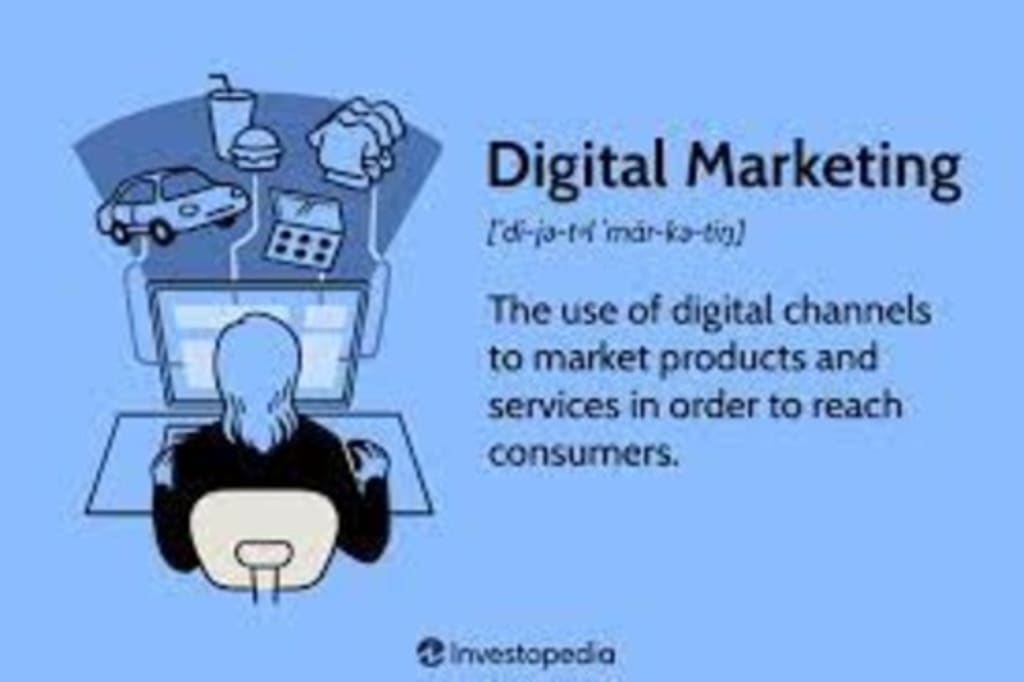
Digital marketing refers to any marketing efforts that use digital channels to promote products or services. These channels can include social media, search engines, email marketing, mobile apps, websites, and other digital platforms. Unlike traditional marketing methods, digital marketing provides businesses with the ability to target specific audiences and measure the effectiveness of their campaigns in real-time.
Benefits of Digital Marketing
Increased Reach:
One of the biggest advantages of digital marketing is the ability to reach a larger audience. With more and more people spending their time online, businesses can use digital channels to connect with potential customers and increase brand awareness.
Cost-Effective:
Digital marketing is typically more cost-effective than traditional marketing methods. For example, social media platforms allow businesses to reach a large audience with minimal advertising spend.
Real-Time Results:
Unlike traditional marketing, digital marketing allows businesses to measure the effectiveness of their campaigns in real-time. This means businesses can make data-driven decisions to improve their marketing efforts and achieve better results.
Targeted Advertising:
With digital marketing, businesses can target specific audiences based on demographics, interests, and behavior. This means businesses can create personalized messages that resonate with their target audience and drive better results.
Types of Digital Marketing
Digital marketing has emerged as an essential part of modern-day marketing. It refers to marketing through digital channels such as search engines, social media, emails, and other online platforms. Digital marketing has become more important than ever before due to the increased use of the internet and social media platforms.
Search Engine Optimization (SEO):
Search engine optimization or SEO is the practice of optimizing a website's content and structure to rank higher in search engine results pages (SERPs). It involves various techniques such as keyword research, on-page optimization, link building, and more. The ultimate goal of SEO is to increase organic traffic to a website by ranking higher in search engine results
Search Engine Marketing (SEM):
Search engine marketing or SEM refers to paid advertising on search engines such as Google, Bing, and Yahoo. It involves bidding on keywords relevant to a business and creating ads that will appear at the top of search results. SEM can be a cost-effective way to reach customers who are actively searching for products or services related to a business.
Social Media Marketing (SMM):
Social media marketing or SMM involves promoting a brand or product on social media platforms such as Facebook, Instagram, Twitter, and LinkedIn. It involves creating engaging content, building a following, and running targeted ads to reach a specific audience. SMM can be an effective way to build brand awareness, drive traffic to a website, and generate leads.
Content Marketing:
Content marketing involves creating and sharing valuable, relevant, and consistent content to attract and retain a clearly defined audience. It can include blog posts, videos, infographics, e-books, and more. The goal of content marketing is to build trust and authority with the audience and ultimately drive profitable customer action.
Email Marketing:
Email marketing involves sending promotional messages or newsletters to a list of subscribers. It can be used to keep customers informed about new products, services, or promotions. Email marketing can be a cost-effective way to reach a large audience, build relationships with customers, and generate sales.
Influencer Marketing:
Influencer marketing involves partnering with influential individuals in a particular niche to promote a product or service. It involves identifying relevant influencers, reaching out to them, and collaborating on a campaign. Influencer marketing can be an effective way to reach a highly engaged audience and build credibility and trust.
In conclusion, these are some of the most common types of digital marketing that businesses can use to reach and engage their target audience. Depending on the business's goals and budget, a combination of these strategies can be used to achieve maximum impact and return on investment
Implementing a Digital Marketing Strategy
Define your target audience:
The first step in creating a digital marketing strategy is to identify your target audience. You need to understand who your ideal customer is and what their needs and wants are. This will help you tailor your marketing efforts to meet their needs and preferences.
Set your goals:
After you have identified your target audience, the next step is to set your goals. What do you want to achieve through your digital marketing efforts? Are you looking to increase sales, generate leads, or boost brand awareness? Defining your goals will help you create a more focused and effective strategy.
Choose your platforms:
There are many digital marketing platforms available, such as social media, email marketing, search engine optimization (SEO), and pay-per-click advertising (PPC). You need to choose the platforms that are most relevant to your business and your target audience. For example, if your target audience is primarily on Instagram, then you should focus on building a strong presence on that platform.
Develop your content strategy:
Content is the backbone of any digital marketing strategy. You need to create content that is engaging, informative, and relevant to your target audience. This can include blog posts, social media updates, videos, and infographics. Your content strategy should align with your overall marketing goals and be tailored to the platform you are using.
Execute your strategy:
Once you have developed your strategy, it's time to put it into action. This may involve creating a contentcalendar, scheduling social media posts, running PPC campaigns, and optimizing your website for SEO. You need to monitor your progress and make adjustments as needed to ensure that your strategy is delivering the desired results.
Measure your results:
Finally, you need to measure the success of your digital marketing strategy. This involves tracking metrics such as website traffic, social media engagement, email open rates, and conversion rates. By analyzing these metrics, you can identify what is working well and what needs to be improved.
Implementing a digital marketing strategy can be a complex process, but it's essential for any business looking to grow and succeed in today's digital landscape. By following these steps and staying focused on your goals, you can create a strategy that delivers results and helps you reach new customers.
Benefits of Digital Marketing
Cost-effective:
Digital marketing is one of the most cost-effective ways to reach a large audience. Traditional marketing methods like television and print advertising can be expensive, and the results may not be measurable. On the other hand, digital marketing techniques like social media marketing, email marketing, and SEO are relatively low-cost, and the results can be tracked and measured.
Global Reach:
Digital marketing has a global reach, which means businesses can reach a wider audience than ever before. With the internet, businesses can target customers from all over the world. Social media platforms like Facebook, Twitter, and Instagram have billions of users, making it easy for businesses to reach a large audience.
Increased ROI:
Digital marketing has a higher ROI compared to traditional marketing methods. With digital marketing, businesses can track their results and make adjustments to their strategy to increase their ROI. This means that businesses can invest their marketing budget more effectively and get a better return on their investment.
Personalization:
Digital marketing allows businesses to personalize their messages to their customers. By collecting data on customer behavior and preferences, businesses can create personalized content that resonates with their target audience. This personalization can lead to increased engagement, loyalty, and conversions.
Increased Engagement:
Digital marketing allows businesses to engage with their customers in real-time. Social media platforms like Facebook, Twitter, and Instagram provide businesses with the opportunity to have conversations with their customers and respond to their inquiries and concerns. This increased engagement can lead to increased brand loyalty and customer retention.
Measurable Results:
Digital marketing provides measurable results that can help businesses make informed decisions about their marketing strategy. Businesses can track their website traffic, social media engagement, and email open rates, which can help them identify areas for improvement and make changes to their strategy accordingly.
In conclusion, digital marketing has become a crucial component of a successful marketing strategy. It is cost-effective, has a global reach, provides measurable results, and allows businesses to personalize their messages to their customers. By adopting digital marketing, businesses can increase their ROI, engagement, and customer loyalty, and stay ahead of their competition.
Challenges of Digital Marketing
Increasing competition:
With the increase in the number of businesses adopting digital marketing, the competition has become fierce. Every business is trying to grab the attention of the target audience, and this has made it challenging for businesses to stand out from the crowd. To overcome this challenge, businesses need to come up with unique and creative marketing strategies that can attract the attention of their target audience.
Targeting the right audience:
One of the key challenges of digital marketing is targeting the right audience. The success of any digital marketing campaign depends on how well it targets the audience that is most likely to be interested in the product or service being offered. To overcome this challenge, businesses need to conduct extensive research to identify their target audience's demographics, interests, and behavior patterns.
Measuring ROI:
Digital marketing provides businesses with a wealth of data that can help them measure the success of their marketing campaigns. However, measuring the return on investment (ROI) of digital marketing campaigns can be a challenging task. Businesses need to track various metrics such as website traffic, click-through rates, conversion rates, etc., to measure the ROI accurately.
Ad-blocking software:
Ad-blocking software has become increasingly popular among internet users, making it challenging for businesses to reach out to their target audience through digital ads. To overcome this challenge, businesses need to focus on creating high-quality, engaging content that can attract the attention of their target audience.
Keeping up with the latest trends:
Digital marketing is an ever-evolving field, and keeping up with the latest trends can be a challenge for businesses. With new technologies and platforms emerging every day, businesses need to stay up to date with the latest trends to remain competitive. This requires businesses to invest in ongoing training and development to keep their digital marketing skills up to date.
In conclusion, digital marketing has become an essential tool for businesses to reach out to their target audience and increase their customer base. However, like any other form of marketing, digital marketing comes with its own set of challenges. By identifying these challenges and developing strategies to overcome them, businesses can create effective digital marketing campaigns that can help them achieve their marketing goals.
About the Creator
Reader insights
Outstanding
Excellent work. Looking forward to reading more!
Top insights
Easy to read and follow
Well-structured & engaging content
Eye opening
Niche topic & fresh perspectives
Compelling and original writing
Creative use of language & vocab
Excellent storytelling
Original narrative & well developed characters
From Despair to Hope: How Animal Rescue Efforts Rebuild Broken Lives
Animal rescue efforts stand as a powerful response to suffering that often goes unseen. Across towns, cities, and rural areas, animals face neglect, abandonment, injury, and fear every day. Many are left without food, shelter, or medical care. Others are harmed by abuse or natural disasters. Without help, their future is uncertain. Through patience, care, and action, animal rescue efforts transform despair into hope and give animals the chance to heal and live safely.
By Brenda McGrane5 days ago in Education
How to Gain Real Work Experience in Wealth Management
Breaking into wealth management can feel confusing at first. Many roles ask for experience, but it is not always clear how to get it. The good news is that real wealth management work experience comes from action, not just titles. With the right approach, you can build skills, credibility, and confidence before landing a full-time role.
By John Lennox Cummings4 days ago in Education
So You Decided To Become a Nurse Practitioner:
So you decided to become an "Advanced Practice" nurse. Congratulations!... is what I would say if this was a good idea. Grad school? In this economy? What were you thinking? Likely it was something along the lines of either 1) “I've seen these other chucklefucks do it— Why can't I?” or even 2) “I've got a nice career, I should shake it up. I miss feeling like I have no clue what I'm doing.”
By Sandor Szabo2 days ago in Fiction



Comments
There are no comments for this story
Be the first to respond and start the conversation.