
Designing the World of Film
"The Importance of Production Design, Art Direction, Visual Effects, Graphic Design, Costume Design, Makeup Design, Storyboarding and Concept Art"
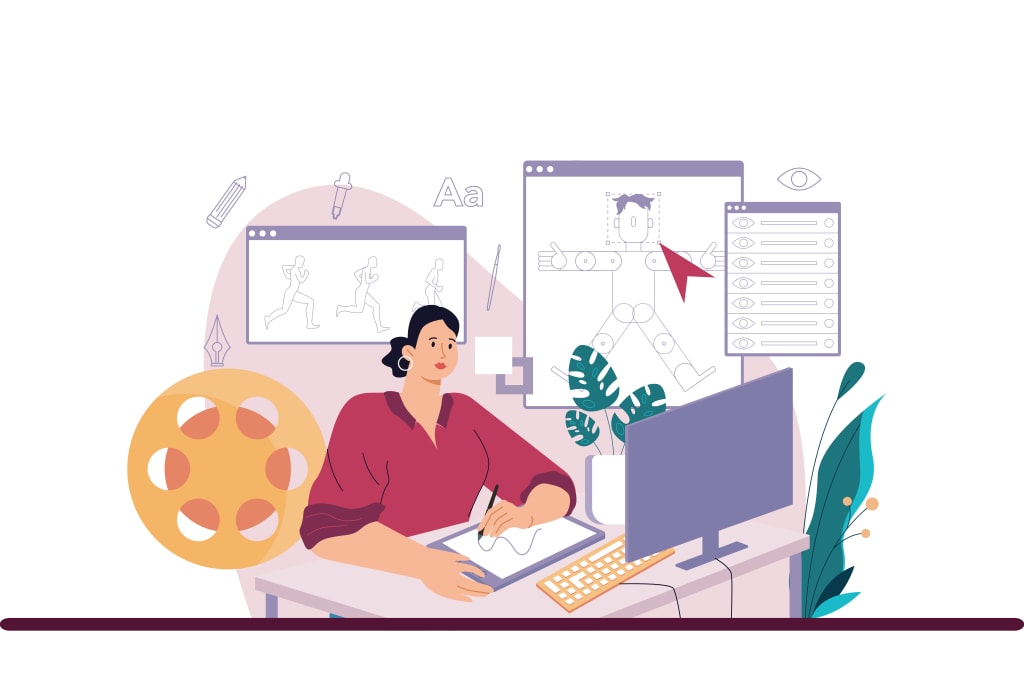
There are many applications of design in movie making, including:
Production Design
This includes the creation of sets, props, and costumes, which help to create the visual world of the film.
Production design is one of the most essential elements of movie making, as it helps to create the visual world of the film. It includes the creation of sets, props, and costumes, which are integral to the overall aesthetic of the film and play a crucial role in immersing the audience in the story.
- The production designer, also known as the art director, is responsible for overseeing the entire production design process. They work closely with the director and other members of the crew to create the visual style of the film and to ensure that it adheres to the overall vision of the project.
- One of the key responsibilities of the production designer is to create sets that are both functional and visually striking. This includes designing sets that are appropriate for the film's story and characters, as well as ensuring that they are safe and practical for the actors and crew to work on. They also work with the set decorator, who is responsible for sourcing and placing all the furniture and decor on the set.
- Props and costumes are also an important aspect of production design. The prop master is responsible for sourcing and creating all the props that are used in the film, while the costume designer is responsible for creating the clothing worn by the actors. Both props and costumes are used to help create a sense of realism and to provide additional information about the characters and their world.
- In addition to these practical elements, the production designer is also responsible for creating the overall visual aesthetic of the film. This includes the use of color, lighting, and composition to create a specific mood or atmosphere.
- Overall, production design is a vital part of movie making, as it helps to create the visual world of the film and to immerse the audience in the story. The production designer plays a crucial role in this process, working closely with the director and other members of the crew to create a visually stunning and believable world for the audience to experience.
Art Direction
This involves the overall visual aesthetic of the film, including color schemes, lighting, and composition.
Art direction is a vital aspect of movie making, as it involves the overall visual aesthetic of the film. It encompasses a wide range of elements, including color schemes, lighting, composition, and set design. The Art Director is responsible for overseeing all of these elements and ensuring that they work together to create a cohesive visual style for the film.
- One of the key responsibilities of the Art Director is to work closely with the director to create a visual style that reflects the tone and themes of the film. They use various design elements, such as color, lighting, and composition, to create a specific mood or atmosphere, which helps to immerse the audience in the story. They also work with the production designer to ensure that the sets, costumes, and props are in line with the overall aesthetic of the film.
- The Art Director also works closely with the director of photography to create the look and feel of the film through the use of lighting and camera angles. They often use storyboards and concept art to plan out the visual elements of each scene, and work with the camera crew to ensure that the final product is consistent with the overall vision of the film.
- In addition to these practical elements, the Art Director also plays a key role in the creation of the film's title sequence and promotional materials, such as posters and trailers. They are responsible for ensuring that these elements are consistent with the overall aesthetic of the film, and that they effectively communicate the film's tone and themes to the audience.
- Overall, Art direction is a crucial element of movie making, as it helps to create the visual style of the film and immerse the audience in the story. The Art Director plays a vital role in this process, working closely with the director and other members of the crew to ensure that all of the visual elements of the film are cohesive and consistent with the overall vision of the project.
Visual Effects
This includes the use of computer-generated imagery (CGI) and other digital techniques to create special effects, such as explosions, space battles, and other fantastical elements.
Visual effects (VFX) are a crucial aspect of movie making, as they allow filmmakers to create fantastical worlds, impossible situations, and spectacular special effects. They include the use of computer-generated imagery (CGI), live-action footage, and other digital techniques to create a seamless blend of reality and fantasy on the screen.
- The visual effects supervisor is responsible for overseeing the entire VFX process and ensuring that the visual effects are consistent with the overall vision of the film. They work closely with the director, the cinematographer, and other members of the crew to plan out the visual effects for each scene and to ensure that they are integrated seamlessly into the live-action footage.
- One of the key challenges of visual effects is creating a believable illusion. The VFX team uses a variety of techniques, such as motion capture, 3D modeling, and compositing, to create realistic characters, landscapes, and special effects. They also use advanced techniques such as ray tracing and global illumination to create more realistic lighting and shadows.
- Visual effects are also used to create a wide range of special effects, such as explosions, space battles, and supernatural powers. These effects are often created using a combination of live-action footage and CGI, and are integrated into the live-action footage using compositing techniques.
- The use of visual effects has become increasingly important in modern filmmaking, with many films relying heavily on VFX to create spectacular and immersive worlds. Some examples are the movies like The Avengers, Avatar, and The Lord of the Rings.
- In conclusion, visual effects are a crucial aspect of movie making, as they allow filmmakers to create fantastical worlds and spectacular special effects. The visual effects supervisor plays a vital role in this process, working closely with the director and other members of the crew to ensure that the visual effects are consistent with the overall vision of the film and are integrated seamlessly into the live-action footage.
Graphic Design
This includes the creation of title sequences, posters, and other promotional materials for the film.
Graphic design is an essential aspect of movie making, as it includes the creation of title sequences, posters, and other promotional materials for the film. These elements not only serve to promote the film but also help to establish the overall aesthetic and tone of the film.
- The graphic designer is responsible for creating these visual elements and ensuring that they are consistent with the overall vision of the film. They work closely with the director, the art director, and other members of the crew to create a cohesive visual style for the film.
- One of the most important elements of graphic design in movie making is the creation of the title sequence. This is the opening sequence of a film, which often includes the film's title, credits, and other visual elements that set the tone for the film. The graphic designer creates a title sequence that not only serves to introduce the film but also helps to establish the visual style and tone of the film.
- Graphic design also includes the creation of posters and other promotional materials for the film. These elements are often used to attract audiences and to communicate the tone and themes of the film. The graphic designer works with the marketing team to create materials that effectively communicate the film's message and that are consistent with the overall aesthetic of the film.
- In addition to these elements, the graphic designer also plays a key role in creating the visual style of the film's website and social media presence. They work with the digital team to create visually striking elements that effectively communicate the film's message and that are consistent with the overall aesthetic of the film.
- Overall, graphic design is an essential aspect of movie making, as it includes the creation of visual elements that promote the film and establish its visual style and tone. The graphic designer plays a vital role in this process, working closely with the director, the art director, and other members of the crew to create a cohesive visual style for the film.
Costume Design
This includes the design and creation of the clothing worn by the actors in the film.
Costume design is an essential aspect of movie making, as it includes the design and creation of the clothing worn by the actors in the film. Costumes not only help to create a sense of realism, but also provide additional information about the characters and their world.
- The costume designer is responsible for designing and creating the costumes for the film. They work closely with the director and other members of the crew to ensure that the costumes are appropriate for the film's story and characters, and that they are consistent with the overall aesthetic of the film.
- One of the key responsibilities of the costume designer is to create costumes that are appropriate for the time period and setting of the film. They conduct extensive research on the historical and cultural context of the film to ensure that the costumes are accurate and authentic. They also work with the actors to ensure that the costumes are comfortable and functional, and that they allow the actors to move freely and express themselves.
- Costume design also includes the creation of costumes for fantasy and science fiction films. In these cases, the costume designer must create costumes that are believable within the context of the film's story and world, while still being visually striking and consistent with the overall aesthetic of the film.
- In addition, the costume designer also works closely with the makeup and hair department to ensure that the overall look of the characters is cohesive and consistent. They also work with the art department to ensure that the costumes fit within the overall aesthetic of the film's sets and props.
- Overall, costume design is an essential aspect of movie making, as it includes the design and creation of the clothing worn by the actors in the film. The costume designer plays a vital role in this process, working closely with the director and other members of the crew to ensure that the costumes are appropriate for the film's story and characters, and that they are consistent with the overall aesthetic of the film.
Makeup Design
This includes the design and application of makeup for the actors to create different looks, such as aging, injuries, and fantasy creatures.
Makeup design is an essential aspect of movie making, as it includes the design and application of makeup for the actors to create different looks, such as aging, injuries, and fantasy creatures. Makeup not only helps to create a sense of realism, but also plays a crucial role in creating the overall look of the characters.
- The makeup designer is responsible for designing and applying the makeup for the film. They work closely with the director, the costume designer, and other members of the crew to ensure that the makeup is appropriate for the film's story and characters, and that it is consistent with the overall aesthetic of the film.
- One of the key responsibilities of the makeup designer is to create makeup that is appropriate for the age, gender, and ethnicity of the characters. They conduct extensive research on the historical and cultural context of the film to ensure that the makeup is accurate and authentic. They also work with the actors to ensure that the makeup is comfortable and functional, and that it allows the actors to move freely and express themselves.
- Makeup design also includes the creation of special effects makeup, such as aging, injuries, and fantasy creatures. This requires a high level of skill and attention to detail to ensure that the makeup is believable and consistent with the overall aesthetic of the film.
- In addition, the makeup designer also works closely with the hair department to ensure that the overall look of the characters is cohesive and consistent. They also work with the art department to ensure that the makeup fits within the overall aesthetic of the film's sets and costumes.
- Overall, makeup design is an essential aspect of movie making, as it includes the design and application of makeup for the actors to create different looks. The makeup designer plays a vital role in this process, working closely with the director, the costume designer, and other members of the crew to ensure that the makeup is appropriate for the film's story and characters, and that it is consistent with the overall aesthetic of the film.
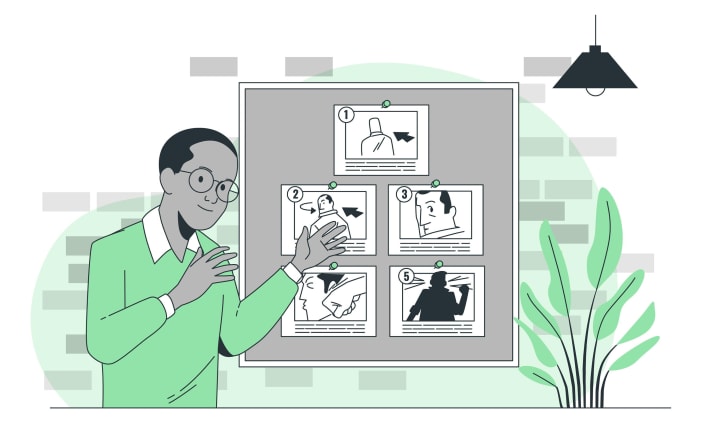
Storyboard
This is the visual representation of the film's script, which helps the director and other members of the crew visualize the final product before filming begins.
Storyboarding is an essential aspect of movie making, as it is the visual representation of the film's script. It helps the director and other members of the crew to visualize the final product before filming begins. It acts as a blueprint for the film, and helps to ensure that the final product is consistent with the overall vision of the film.
- The storyboard artist is responsible for creating the storyboard for the film. They work closely with the director, the screenwriter, and other members of the crew to create a visual representation of each scene in the script. They use illustrations, sketches, and other visual elements to depict the action, camera angles, and other visual elements of each scene.
- The storyboard artist also works closely with the art department, the costume department, and other members of the crew to ensure that the storyboard is consistent with the overall aesthetic of the film. They use the storyboard to plan out the visual elements of each scene, including the sets, costumes, and props.
- One of the key benefits of storyboarding is that it allows the director and other members of the crew to identify any potential problems or inconsistencies in the script before filming begins. This helps to ensure that the final product is consistent with the overall vision of the film and that it flows smoothly from scene to scene.
- In addition, the storyboard also serves as a reference for the film crew during the filming and editing process. It helps them to understand the director's vision and to ensure that all the elements of the film are consistent with each other.
- Overall, storyboarding is an essential aspect of movie making, as it is the visual representation of the film's script. The storyboard artist plays a vital role in this process, working closely with the director and other members of the crew to create a visual representation of the film's script and to ensure that the final product is consistent with the overall vision of the film.
Concept Art:
This is the creation of illustrations, paintings, and drawings that depict the visual elements of the film.
Concept art is an essential aspect of movie making, as it is the creation of illustrations, paintings, and drawings that depict the visual elements of the film. Concept art helps to establish the overall aesthetic and style of the film, and serves as a visual reference for the director, the art department, and other members of the crew.
- The concept artist is responsible for creating concept art for the film. They work closely with the director, the art director, and other members of the crew to create visual representations of the characters, locations, and other elements of the film. Concept art can be used to establish the overall aesthetic, mood, and atmosphere of the film, and to explore different design options for characters and locations.
- Concept art can also be used to plan out the visual effects, such as special effects and CGI, of the film. This allows the VFX team to understand the director's vision and to plan out the technical aspects of the film accordingly.
- One of the key benefits of concept art is that it allows the director and other members of the crew to explore different design options and to identify any potential problems before filming begins. This helps to ensure that the final product is consistent with the overall vision of the film, and that it flows smoothly from scene to scene.
- In addition, concept art also serves as a reference for the film crew during the filming and editing process. It helps them to understand the director's vision and to ensure that all the elements of the film are consistent with each other.
- Overall, concept art is an essential aspect of movie making, as it is the creation of illustrations, paintings, and drawings that depict the visual elements of the film. The concept artist plays a vital role in this process, working closely with the director, the art director, and other members of the crew to establish the overall aesthetic and style of the film, and to serve as a visual reference for the film crew during the filming and editing process.
All the different aspects of design in movie making, such as production design, art direction, visual effects, graphic design, costume design, makeup design, storyboard and concept art, work together to create a cohesive and immersive visual experience for the audience. Each element contributes to the overall aesthetic and tone of the film, and helps to immerse the audience in the story.
Production design sets the visual world of the film, creating sets, props, and costumes that are appropriate for the film's story and characters. Art direction establishes the overall visual aesthetic of the film, including color schemes, lighting, and composition. Visual effects, such as computer-generated imagery, allow for the creation of special effects and fantastical elements, adding another layer of immersion for the audience.
Graphic design creates the title sequences, posters, and other promotional materials that promote the film and establish the visual style and tone of the film. Costume design and makeup design help to create a sense of realism and provide additional information about the characters and their world. Storyboard is the visual representation of the film's script, helping the director and other members of the crew to visualize the final product before filming begins. Concept art is the creation of illustrations, paintings, and drawings that depict the visual elements of the film and help to establish the overall aesthetic and style of the film.
All these elements when combined, create an immersive and believable visual experience for the audience, transporting them into the world of the film, making them a part of the story. All these elements are integral to the movie making process and are crucial in creating a visually stunning and memorable film experience.
About the Creator
Satheesh Chandra Shetty
I am a Bangalore, India based Graphic designer and Content creator. I am specialized in Creative Jobs for various social media and publishing materials
Keep reading
More stories from Satheesh Chandra Shetty and writers in Education and other communities.
How Early Hustle Jobs Build Real Mental Toughness for Life
Early hustle jobs—like babysitting, mowing lawns, stocking shelves, or working the drive-thru—might seem small on paper, but they often shape big psychological strengths. These first experiences with responsibility, pressure, and real-world expectations can build mental toughness in ways school alone usually can’t.
By David Lipanabout 4 hours ago in Education
Rewiring Wellness: How Neuroscience Is Redefining the Mind-Body Connection in Therapy
In recent years, neuroscience has reshaped the understanding of how emotional and physical processes interact, offering therapists new insight into healing. The mind-body connection, once viewed as more philosophical than scientific, now has clear biological explanations. Studies show that thoughts, emotions, and physical sensations are deeply intertwined, influencing everything from stress responses to overall wellbeing. This knowledge is transforming modern therapeutic practices by providing clinicians with evidence-based tools that support integrated healing.
By Debra Bailey PHDa day ago in Education
Rachel Reviews: The Spiral Archive by Pieter Hendrik
It's difficult for me to know where to start with a review of this book as it was, for me, an entirely unique experience and one that I'll probably never have again. I don't want that to be interpreted as unenjoyable but it has left me scratching my head a little and ruminating on its content, its themes and its characters.
By Rachel Deeming2 days ago in BookClub


Comments
There are no comments for this story
Be the first to respond and start the conversation.