
Designing Engaging Non-Player Characters (NPCs) with Limited Resources
Smart Strategies for Creating Memorable NPCs on a Budget – A Guide for Indie Game Developers

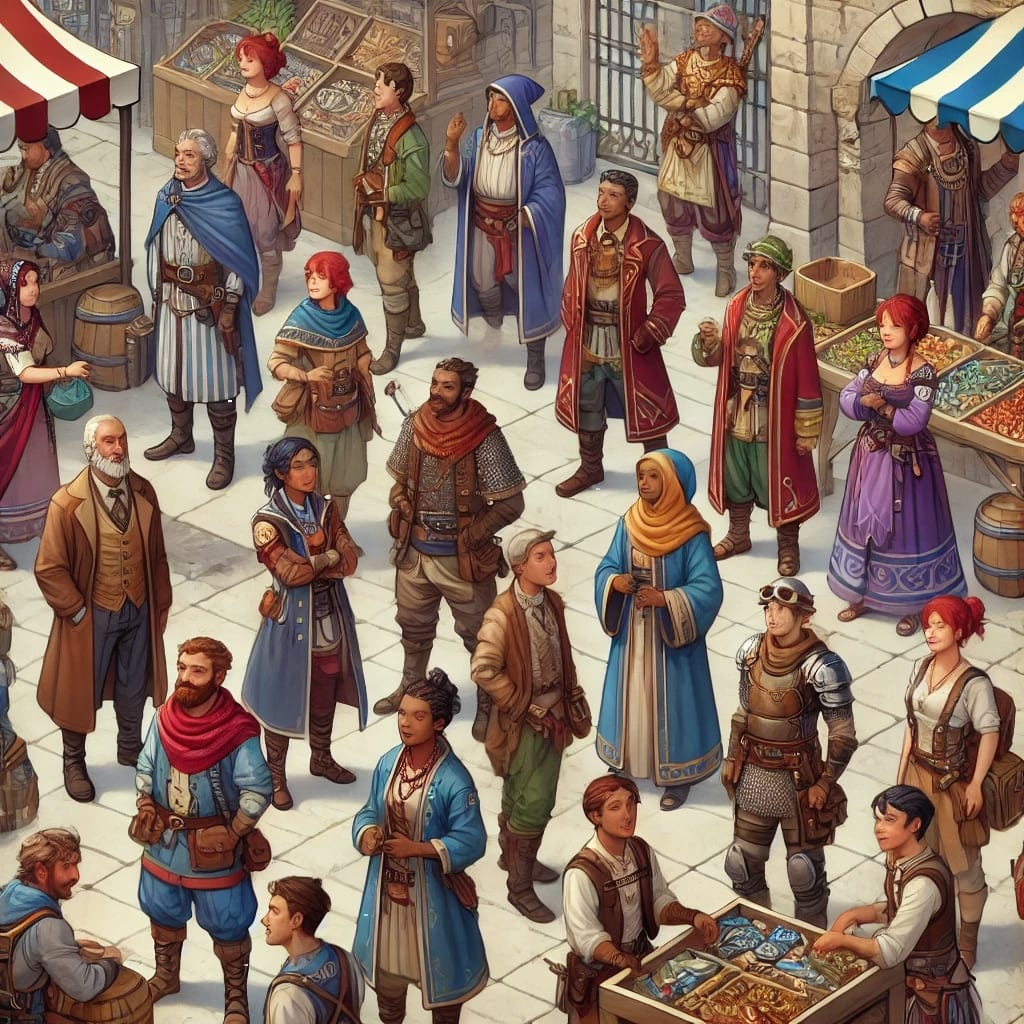
Non-Player Characters (NPCs) are essential for creating immersive and dynamic game worlds. They provide storytelling depth, enrich the gameplay experience, and help players feel connected to the game’s universe.
However, designing engaging NPCs can be a challenge, especially for indie developers and small teams with limited resources. This article explores practical strategies for crafting memorable NPCs while optimizing time, budget, and assets.
1. Focus on Strong Character Concepts
When resources are tight, each NPC should have a distinct and memorable personality. Instead of creating a large cast of generic NPCs, focus on a smaller number of well-defined characters. Consider the following approaches:
- Archetypes & Stereotypes – Use well-known character templates (e.g., the wise mentor, the cunning merchant) but add unique traits or backstories to make them fresh.
- Quirks & Catchphrases – Simple verbal tics, gestures, or habits can make NPCs stand out.
- Strong Motivations – Give each NPC a clear goal, whether it’s protecting their village, seeking revenge, or just selling the best apples in town.
2. Efficient Dialogue Design
Dialogue plays a crucial role in making NPCs engaging. When developing dialogue on a budget, consider:
- Concise Writing – Instead of lengthy exposition, use short, impactful lines that reveal personality and key information quickly.
- Branching Dialogue Systems – Use modular dialogue trees where responses can be mixed and reused across different interactions.
- Text-Driven Characterization – If voice acting is not an option, use well-crafted text with distinct writing styles to make NPCs feel alive.
3. Reuse and Repurpose Assets
One of the best ways to maximize limited resources is by reusing assets creatively:
- Character Models & Animations – Minor tweaks to outfits, colors, or accessories can make one model feel like multiple characters.
- Modular NPC Behavior – Create a few core AI behaviors that can be applied to multiple NPCs, such as patrolling, conversing, or reacting to the player.
- Voice and Sound Variations – A small set of voice lines with pitch adjustments or filters can provide diversity without recording new lines.
4. Procedural Generation and Adaptive AI
Procedural generation and AI-driven behavior can help create the illusion of variety without requiring extensive manual work:
- Procedural Dialogue Systems – Use templates that combine different dialogue pieces dynamically.
- Simple AI Personality Traits – Assign basic personality sliders (e.g., aggression, friendliness, curiosity) to NPCs to determine their responses and behavior.
- Dynamic Reactions – Simple state-based AI can allow NPCs to react based on player actions (e.g., remembering past encounters, changing their mood over time).
5. Leveraging Environmental Storytelling
Not all storytelling has to be delivered through direct interaction. Environmental storytelling can make NPCs feel present without requiring extra resources:
- Notes, Graffiti, and In-Game Documents – Hints about NPC lives can be scattered throughout the game world.
- Props and Set Dressing – NPC homes, workspaces, and clothing can communicate their backstories without additional dialogue.
- Non-Verbal Cues – Gestures, animations, and interactions between NPCs can reveal relationships and personalities without text or voice acting.
6. Player-Driven NPC Interaction
Allowing players to fill in the gaps can create engagement while reducing design burden:
- Meaningful Choices – Even small interactions, like choosing how to respond to an NPC, can make them feel more dynamic.
- Reactivity to Player Actions – NPCs that remember the player’s choices or change their behavior based on past interactions add depth.
- Emergent Storytelling – Provide open-ended NPC behaviors that allow players to interpret stories rather than scripting every detail.
7. Prioritizing Key NPCs
If time and budget are tight, allocate resources to the most impactful NPCs:
- Main Quest NPCs – Focus on well-developed characters that drive the story forward.
- Repeat Encounters – Prioritize NPCs players will interact with multiple times over one-time appearances.
- Villains and Rivals – Memorable antagonists or competitors can make the game world feel more alive, even with fewer characters overall.
Designing engaging NPCs with limited resources requires creativity, prioritization, and smart use of available tools.
By focusing on strong character concepts, efficient dialogue, asset reuse, procedural elements, and environmental storytelling, small teams can craft NPCs that feel compelling without requiring AAA-level budgets.
Ultimately, the key is to make each NPC meaningful, ensuring that every interaction adds to the richness of the game world.
About the Creator
Richard Bailey
I am currently working on expanding my writing topics and exploring different areas and topics of writing. I have a personal history with a very severe form of treatment-resistant major depressive disorder.
Keep reading
More stories from Richard Bailey and writers in Education and other communities.
Step-by-Step Guide to Making Whiteboard Animations That Drive Conversions
Whiteboard animations are more than just sketch-style videos. They are a strategic way to communicate ideas, educate audiences, and persuade potential customers. Their distinctive hand-drawn look, combined with narration and storytelling, makes them powerful tools for simplifying information while keeping attention high.
By Richard Bailey6 months ago in Education
Who is your "Person"?
It's important to recognize that you cannot go through life as easily on your own. My name is Elizabeth and I'm a survivor of child abuse and horrific trauma. Healing from trauma is not a quick fix and recognizing that it will take time, is part of the struggle.
By Elizabeth Woods4 days ago in Psyche



Comments
There are no comments for this story
Be the first to respond and start the conversation.