
Dealing with Burnout as a Medical Student
Can we overcome it or—even better—avoid it all together?

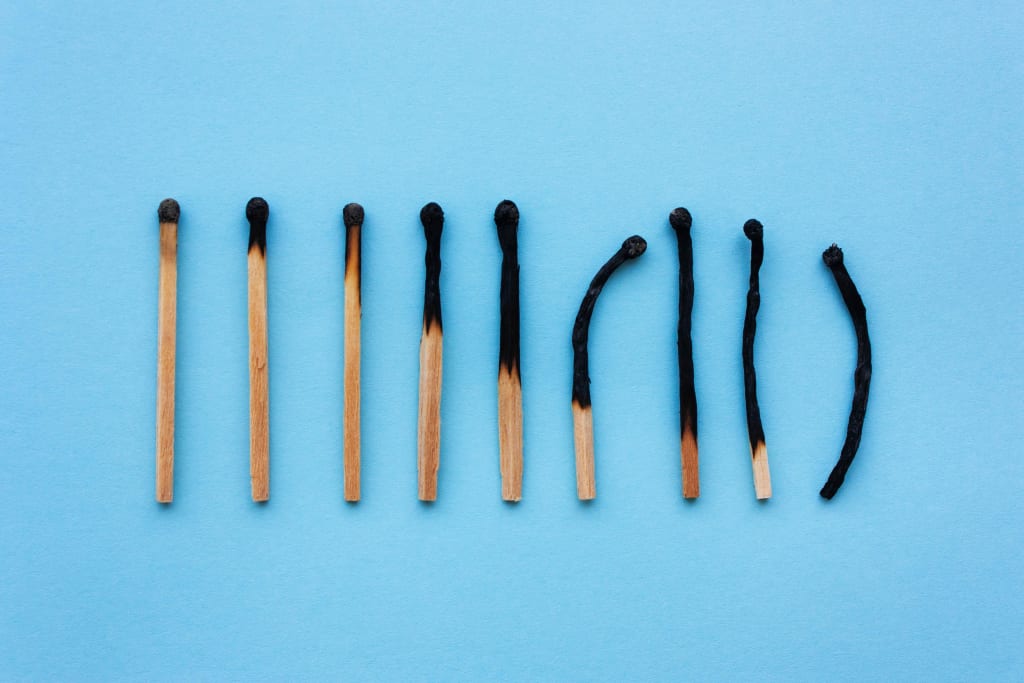
Burnout is defined as "a state of emotional, physical, and mental exhaustion caused by excessive and prolonged stress". In the naturally rapid-paced, competitive, and demanding environment that exists in post-secondary intuitions, the issue of academic burnout is prevalent among students—and staff—alike. With Medical School being notorious for having the same defining characteristics intensified and enhanced, it comes to no surprise to anyone that Medical Students have some of the highest rates of burn-out among all University Majors. As the majority of Medics face unrealistic and unattainable expectations coupled with the overwhelming stigma that doctors must be perfect, it is not uncommon for this burn-out to drive young students away from the profession all together. While recovering from the state of exhaustion is essential in moving forward, as our opportunities to rest and recuperate begin to dwindle from the lack of time, it is imperative that we spare no effort in preventing the condition all together. In this essay, we will explore the necessary means required to convalesce burn-out while in the current state. Additionally, we will address what can be done to prolong the occurrence of the next relapse or —possibly—prevent the event all together.
When in the midst of suffering from an exhausted state, it is essential to take the proper actions to mitigate the effects of the burn-out. Often times, those in these states of exhaustion have deprived their body of the basics of good health and well-being: exercise, sleep, and proper nutrition. A systematic review by Pendato and Bahn concluded that "exercise, physical activity and physical-activity interventions have beneficial effects across several physical and mental-health outcomes" (1). As overwhelming amounts of work can often lead to the thought of exercise hardly crossing the mind, it is understandable that many medical students may feel that exercising is time wasted. By reducing anxiety, depression, negative mood, low self esteem and social withdrawal while improving self-esteem and cognitive function (Sharma; Madaan; Petty, 1) getting the minimum daily recommended dose of physical activity per day is greatly beneficial to the mind. A common misconception among medical students is that sleeping less—and therefore working more—can give them a competitive edge against their peers. A meta-analysis conducted in 2021 found evidence that improving sleep quality—with a higher quality being defined as sleeping consistently through the night and waking up revitalized—reduced depression, anxiety, and stress (Scott; Webb; Martyn-St James; Rowse; Weich, 3;12). Catching up on lost sleep during a burn-out can act as a re-charge, helping you in feeling more refreshed and ready to face your work. It is often said that "food is fuel" and—although sufficient caloric intake is essential—the quality of the nutrition of the food is very important. A 2017 randomized control trial reported a significant reduction in symptoms of depression as a result of dietary improvements (Jacka; O'Neil et al, 10). With this knowledge, it is safe to say that healthier dietary choices will lead to an enhanced mental state. Replenishing our body's basic needs is a proven way to feel revived. However, preventing the tired state all together is a more optimal and efficient way of going about the matter.
It is important to maintain the basic needs mentioned previously consistently in order to keep your body and mind replenished and charged. However, the reasons for burn-out in medicine can be much more complex. One way to prevent the state is to understand what drew you to medicine in the first place. There are a million different reasons as to why students decide to pursue medicine but certain deciding factors can leave you more vulnerable than others. One study found that medical students who were motivated by "illness/death experiences"(Pagnin et al, 6) were at a higher risk for emotional exhaustion. This is due to a common learning process that promotes the "detachment between body and mind"(Pagnin et al, 4), often hindering medical empathy. The same study also found that "intellectual curiosity, professional autonomy, altruism, and interest in human relationships" (Pagnin et al, 4) had no correlation with burn-out. With this research, it is important to step back and reflect on your reasons for doing medicine in the first place. If your motivations surround emotional attachment to patients and empathy, prepare yourself to the very real possibility that the nature of medical school—and the field in general—has the potential to mentally drain you.
It is common knowledge that many medial students are perfectionists, which can be beneficial in many aspects. However, the danger lies when students become maladaptive perfectionists. This is a term coined when perfectionism becomes unhealthy; when there are unrealistic attempts at reaching excessively high or impossible goals. Existing at this extreme extent of perfectionism for an extended period of time has the potential to wear students down. A study conducted among undergraduate medical students in Northeastern China found that higher levels of maladaptive perfectionism were associated with higher levels of burn out, which led to decreased levels of life satisfaction (Wang et al, 6). This is an example of perfectionism causing more harm than good. It is all too common for students to be very hard on themselves. It is important to remember that although you should work hard, you are still a human being. Not a robot. Nobody is capable of absolute perfection and success. The belief that you are—or should be—can cause you to work beyond the means of your mental resources while sacrificing socializing, exercising, and sleep. It is one of the best ways to get burnt-out. If you resonate with the Maladaptive Perfectionist definition, consider being less hard on yourself and give yourself a break. It will be much more beneficial in the long run.
Although it may seem like an endless tunnel, there is light at the end of burnout. By recharging your body with basic necessities—such as sleep, exercise, and a healthy pallet—you will recover from the tired state both mentally and physically. However, prevention is the best medicine. Exploring your motivations and relieving yourself of unrealistically high expectations can put you on the smoothest road to your goal. The journey of medicine is a long and tough one. It requires resilience and stamina. It is for that reason that people say it should be treated like a marathon, not a sprint. Battling and preventing burnout is arguably the most important skill in your path as a medical student. Master this, and you're sure to win the race.
Works Cited:
Penedo, Frank J and Dahn, Jason R. "Exercise and well-being: a review of mental and physical health benefits associated with physical activity." Current Opinion in Psychiatry, Vol 18, March 2005.
Sharma, A Madaan, V; Petty, F. "Exercise for Mental Health." The Primary Care Companion to the Journal of Clinical Psychiatry, Vol 8(2), 2006.
Scott, A; Webb, T; Martyn-St James, M; Rowse, G; Weich, S. "Improving sleep quality leads to better mental health: A meta-analysis of randomised controlled trials." Sleep Medicine Reviews, Vol 60, Dec. 2021.
Jacka, F.N., O’Neil, A., Opie, R. et al. A randomised controlled trial of dietary improvement for adults with major depression (the ‘SMILES’ trial). BMC Med 15, 23, 2017.
Pagnin D, De Queiroz V, De Oliveira Filho MA, Gonzalez NV, Salgado AE, Cordeiro e Oliveira B, Lodi CS, Melo RM. Burnout and career choice motivation in medical students. Med Teach, Vol 35, May. 2013.
Wang Q, Wu H. Associations Between Maladaptive Perfectionism and Life Satisfaction Among Chinese Undergraduate Medical Students: The Mediating Role of Academic Burnout and the Moderating Role of Self-Esteem. Frontiers in Psychology, Vol 12, Jan 7. 2022.
About the Creator
Ayla Ahmed (The Medic Version)
As Medical Students, we often feel that we are expected to navigate this fierce journey perfectly with limited mistakes or need for advice. Join me as I take off this mask and delve deeper into the issues that medical students face.
Keep reading
More stories from writers in Education and other communities.
The Electric Command Center: China’s $7 Billion EV Fleet Revolution (2026-2034)
In 2026, the silhouette of the Chinese skyline is defined not just by skyscrapers, but by a quiet, invisible revolution. The traditional roar of diesel engines in logistics hubs from Shenzhen to Shanghai is fading, replaced by the high-tech hum of a fully electrified commercial world. But the true story isn't just about the vehicles; it’s about the "intelligence" managing them.
By Neeraj kumar3 days ago in Education




Comments
There are no comments for this story
Be the first to respond and start the conversation.