
Creating Positive Learning Environment
Models of Discipline
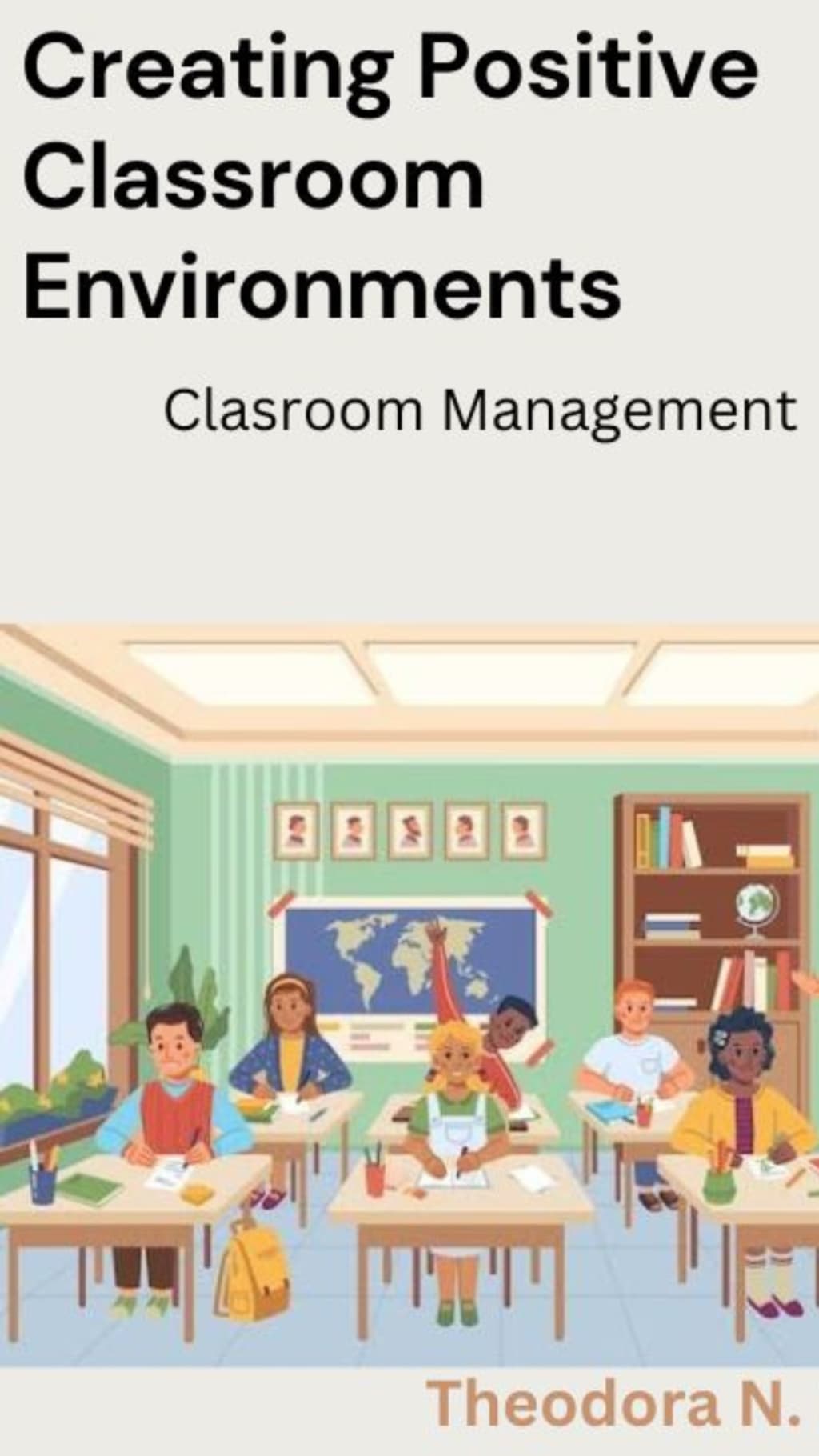
I remember a classroom situation that occurred about seven years ago while I was a teaching assistant in a Primary (elementary) school. One of the grade 1 pupil was singing during learning time. A child named Dora (not child’s real name) wasn’t listening but singing and distracting other learners. The class teacher without giving a warning furiously sent the child to “time out.” Time out in our school then is referred to as the naughty corner and it’s a place in the classroom with an isolated chair and desk, any pupil in the naughty corner is expected to feel bad in isolation but still listen to the class instruction going on. The teacher’s command scared the child and the child sat still crying without moving and another pupil said “Dora, don’t cry, it’s only time out, it doesn’t hurt and you'd be there for only five minutes”
Why was this “time out” approach ineffective?
As the teaching assistant at the time, I felt that the class teacher acted based on her emotions, if not, she should have given at least two chances by warning Dora twice before shouting at her to “time out” in front of the other learners. Also, the child is left in isolation unattended to for five minutes and would be asked to go back to his or her sit after that with no actual solution to address the disruptive behavior.
An effective approach is not supposed to leave a child with the feeling of being hated, rejected and unsafe, it is supposed to address the reason for the misbehavior and possible solution to avoid recurrence.
The reading assignments in the course of this study, I learn that reward and punishments can only buy us temporary compliance. The moment the reward for good behavior or punishment for bad behavior stops, the child loses motivation to continue positive behavior.
The changes that could have been made to improve the discipline process is REFLECTION. Reflection addresses the root cause of the behavior. Chaim Peri, author of Teenagers Educated the Village Way (2011), speaks of meaningful punishment as a process of discussion, negotiation, and agreement (DNA) and this explains reflection in detail. The teacher shouldn’t leave children in isolation, they should focus on the solution instead of the consequences. Also, never take action when you are angry, that way you can be calm enough to have a discussion with the child. On this note, I totally agree with Jim Fay’s quote in the love and theory journal that “I discovered and I wish I had discovered it sooner that if you get a kid to fall in love with you, he’ll walk through fire for you.” Children in classrooms where they feel loved and safe wouldn’t disrupt the class just to seek attention from the teacher.
References
Delisio, E. R. (2022). Practicing love & logic can mean happier schools. Education World.
Farmer, G. (2021, September 20). The benefits of reflection in school discipline. Edutopia.
Marshall, M. (2005). Discipline without Stress, Punishments, or Rewards. The Clearing House, 79(1), 51–54.
Implementing the Low-control Teacher Model
Classroom discipline plays a crucial role in creating a positive and well-managed learning environment. It establishes a set of expectations, rules, and consequences that help students understand boundaries and ensure a safe and productive learning space. Effective discipline practices foster student engagement, promote positive behavior, and support academic achievement. Out of the three main categories of discipline discussed in the reading assignment, I would like to apply the low-control teacher model, also known as the Guiding Model, in my classroom. The particular theory I would be applying for using the low-control teacher model is Jim Fay & David Funk's Teaching with Love and Logic Theory.
I chose Jim Fay & David Funk's Teaching with Love and Logic Theory because it provides a comprehensive approach to classroom discipline that focuses on building positive relationships, promoting student responsibility, and teaching problem-solving skills. Here are a few reasons why I selected this theory:
Emphasis on building a positive teacher-student relationship based on mutual respect and trust. It encourages the teacher to show empathy, actively listen to students, and engage in respectful communication. The establishment of a strong teacher-student connection can create a supportive and nurturing classroom environment. According to Jim Fay, "It's about setting good limits in a loving way. I discovered, and I wish I had discovered it sooner, that if you get a kid to fall in love with you, he'll walk through fire for you."
The theory encourages student responsibility by promoting the idea of giving students choices and allowing them to experience the consequences of their actions. It encourages teachers to guide students in making responsible decisions and taking ownership of their behavior. This approach empowers students, teaches them valuable life skills, and helps develop their sense of accountability.
Implementing the Low-control Teacher Model
It focuses on teaching problem-solving skills rather than relying solely on punishment. It encourages the teacher to engage students in reflective discussions, help them identify solutions to their own challenges, and promote critical thinking. Causton & MacLeod (2020) stated in their book that if we know a challenging behavior needs to be addressed, we have to sit with the student to problem solve. Students should be part of finding solutions.
Implementing Jim Fay and David Funk's "Teaching with Love and Logic" approach in the classroom may come with certain challenges. The two possible challenges I might face include:
1.Resistance from parents and students: Introducing a new discipline approach that emphasizes student responsibility and natural consequences may bring about resistance from students and their parents. Some students may be accustomed to more traditional discipline methods or may resist taking responsibility for their actions. Additionally, parents who are not familiar with the approach may question its effectiveness or have concerns about their child facing natural consequences.
2.Consistency and follow-through: Consistency is important when implementing any discipline theory. It requires teachers to consistently apply the principles and strategies of the approach to establish clear boundaries and expectations.
To overcome these challenges, it is important to effectively communicate the ideas behind this approach and address any concerns or misconceptions through open and collaborative discussions (Funk and Fay, 1995). Involving parents and reaching an agreement
can be an option to carry them along. Additionally, it is important to be prepared for the potential difficulty of maintaining consistency and find ways to support yourself, such as seeking professional guidance. Development opportunities, such as connecting with other
Implementing the Low-control Teacher Model
teachers who are implementing the same approach (Funk and Fay, 1995), can aid in overcoming these challenges.
In conclusion, addressing these challenges requires ongoing reflection, professional growth, and adaptability. By continuously refining my understanding of the approach, addressing concerns and misconceptions, and seeking support from colleagues and resources, I can navigate these challenges and create a positive and effective learning environment.
References
Causton, J., & MacLeod, K. (2020). From behaving to belonging: The inclusive art of supporting students who challenge us. Association for Supervision & Curriculum Development.
Delisio, E. R. (2022). Practicing Love And Logic Can Mean Happier Schools. Education World. Retrieved from https://www.educationworld.com/a_admin/admin/admin536.shtml
Funk, D., & Fay, J. (1995). Teaching with Love and Logic: Taking Control of the Classroom. Love and Logic Press.
About the Creator
Keep reading
More stories from Theodora Osuji and writers in Education and other communities.




Comments
There are no comments for this story
Be the first to respond and start the conversation.