
Comprehensive Guide to Mastering the SY0-601 Exam
Understanding the SY0-601 Exam

Comprehensive Guide to Mastering the SY0-601 Exam
As we dive into the intricacies of the SY0-601 exam, it is imperative to understand the comprehensive scope and critical details that will aid you in acing this crucial certification. The SY0-601 exam is an essential milestone for professionals aiming to excel in the field of cybersecurity. This guide provides a detailed overview, critical insights, and strategic approaches to mastering the SY0-601 exam.
Understanding the SY0-601 Exam
The SY0-601 exam, also known as the CompTIA Security+ certification, is designed to validate the baseline skills necessary to perform core security functions and pursue an IT security career. The exam covers a wide range of topics, including threats, attacks, vulnerabilities, architecture and design, implementation, operations and incident response, and governance, risk, and compliance.
Exam Objectives and Structure
The SY0-601 exam is structured to evaluate a candidate’s proficiency in the following domains:
Threats, Attacks, and Vulnerabilities - Comprising approximately 24% of the exam, this domain focuses on various types of threats and attacks, vulnerability management, and security assessment techniques.
Architecture and Design - Making up about 21% of the exam, this domain covers enterprise security architecture, secure systems design, and implementing secure network architecture concepts.
Implementation - This domain, accounting for 25% of the exam, emphasizes the implementation of secure protocols, cloud technologies, and endpoint security.
Operations and Incident Response - Encompassing around 16% of the exam, this domain deals with security operations, digital forensics, and incident response strategies.
Governance, Risk, and Compliance - Constituting 14% of the exam, this domain focuses on laws, regulations, policies, and risk management frameworks.
Preparation Strategies for the SY0-601 Exam
1. Comprehensive Study Materials
Investing in high-quality study materials is crucial for your success in the SY0-601 exam. Consider authoritative sources such as:
CompTIA Security+ Study Guide: A thorough and detailed resource that covers all exam objectives.
Practice Exams: Regular practice tests help in assessing your knowledge and identifying areas that need improvement.
Online Courses: Platforms like Udemy, Coursera, and LinkedIn Learning offer extensive courses tailored for the SY0-601 exam.
2. Practical Experience
Hands-on experience is invaluable. Engage in practical exercises that simulate real-world scenarios, such as setting up secure networks, managing security incidents, and performing vulnerability assessments. Utilizing virtual labs and cybersecurity tools will enhance your practical understanding.
3. Join Study Groups and Forums
Participating in study groups and online forums can provide additional support and insights. Platforms like Reddit, TechExams, and the CompTIA online community are excellent places to interact with fellow candidates and professionals.
In-Depth Look at Key Topics
Threats, Attacks, and Vulnerabilities
Types of Threats and Attacks
Understanding the variety of threats and attacks is crucial. These include:
Malware: Viruses, worms, Trojans, ransomware, and spyware.
Phishing and Social Engineering: Techniques used to deceive individuals into divulging confidential information.
Network Attacks: DDoS attacks, man-in-the-middle attacks, and network sniffing.
Vulnerability Management
Effective vulnerability management involves:
Identification: Regularly scanning systems for vulnerabilities.
Evaluation: Assessing the severity and potential impact of identified vulnerabilities.
Mitigation: Implementing measures to address vulnerabilities, such as patch management and system hardening.
Architecture and Design
Enterprise Security Architecture
Key considerations include:
Layered Security: Implementing multiple layers of security controls to protect data and systems.
Secure Network Design: Utilizing network segmentation, firewalls, and intrusion detection/prevention systems (IDS/IPS).
Secure System Design
Incorporating security at the design phase is critical. This involves:
Principle of Least Privilege: Ensuring users and systems have the minimum level of access required.
Secure Coding Practices: Writing code that is resilient to attacks such as SQL injection and cross-site scripting (XSS).
Implementation
Secure Protocols
Implementing secure protocols is essential for protecting data in transit. Key protocols include:
SSL/TLS: Ensuring secure communication over the internet.
IPsec: Securing IP communications through encryption and authentication.
Cloud Technologies
Securing cloud environments involves:
Identity and Access Management (IAM): Controlling user access to resources.
Data Protection: Encrypting data at rest and in transit, and implementing robust backup strategies.
Operations and Incident Response
Security Operations
Key operational activities include:
Monitoring and Logging: Continuously monitoring systems for suspicious activities and maintaining logs for analysis.
Patch Management: Regularly updating systems to fix vulnerabilities.
Incident Response
An effective incident response strategy involves:
Preparation: Establishing an incident response plan and team.
Detection and Analysis: Identifying and analyzing potential security incidents.
Containment, Eradication, and Recovery: Limiting the impact of an incident, removing the threat, and restoring normal operations.
About the Creator
finelm
https://www.examcollectionsite.com/SAA-C03-exam.html
Just make sure on your part that you have gone through the content SAA-C03 Examcollection Q&A and your success is guaranteed.
Keep reading
More stories from writers in Education and other communities.
Education Technology SaaS Tools Market to Hit USD 155.4 Billion by 2034
Market Overview The Education Technology SaaS Tools market has grown rapidly as educational institutions increasingly rely on cloud-based software platforms to manage learning processes, administrative operations, and digital content delivery. Software delivered through the Software-as-a-Service model allows schools, universities, and training organizations to access scalable learning platforms without investing heavily in physical infrastructure. These tools support online learning management, student performance tracking, collaborative classrooms, and digital assessments.
By Roberto Crum4 days ago in Education
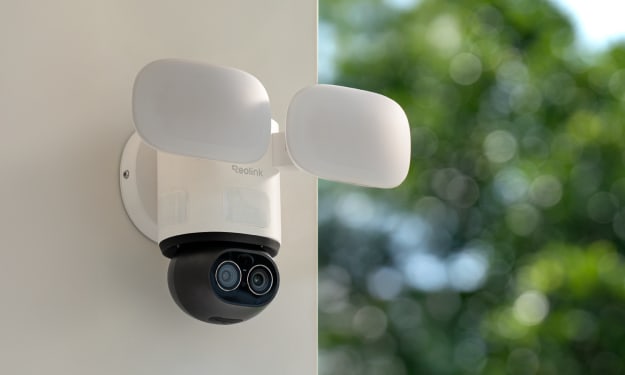
How to Install Floodlight Cameras: Step-by-Step Guide
Floodlight cameras give strong security for homes and businesses. They mix bright lights with video recording to scare away intruders and catch clear footage. When you pick the best floodlight camera, you get reliable protection that works day and night. This guide takes you through the installation process in clear steps.
By Bilal Ahmad6 days ago in Education
Early March 2026: 4 Goals Accomplished
It's early March and I've now accomplished my 4th writing goal for the year of 2026. Before diving into the behind-the-scenes of it... why not tell you up front what that accomplishment was? I was published in a 2nd publication for this year. Published in Helix Literary Magazine out of Central Connecticut State University. You can read it for free right now!
By Stephen Kramer Avitabile2 days ago in Writers



Comments
There are no comments for this story
Be the first to respond and start the conversation.