
Climate Change: Challenges and Solutions for a Sustainable Future
Exploring the Urgency and Pathways towards a Climate-Resilient Planet


Introduction:
Climate change is one of the most pressing global issues of our time, with far-reaching implications for the environment, economies, and human well-being. As greenhouse gas emissions continue to rise, the Earth's temperature is increasing, leading to a wide range of challenges. However, amidst these challenges, there is also a growing awareness and commitment to finding sustainable solutions. This article delves into the challenges posed by climate change and explores potential solutions for a more sustainable future.
The Challenges of Climate Change:
a. Rising temperatures and extreme weather events: Climate change has resulted in rising global temperatures, leading to an increase in extreme weather events such as hurricanes, droughts, and heatwaves. These events pose significant risks to ecosystems, agriculture, and human settlements.
b. Melting ice caps and rising sea levels: The warming climate has accelerated the melting of ice caps and glaciers, causing a rise in sea levels. This phenomenon threatens coastal areas, resulting in erosion, saltwater intrusion, and an increased vulnerability to flooding.
c. Biodiversity loss and ecosystem disruption: Climate change is disrupting ecosystems and causing the loss of biodiversity. Changes in temperature and precipitation patterns can affect plant and animal species, leading to shifts in habitats, species extinction, and ecological imbalances.
d. Impacts on human health and well-being: Climate change has direct and indirect impacts on human health, ranging from heat-related illnesses to the spread of infectious diseases and food and water insecurity. Vulnerable populations are disproportionately affected.
Sustainable Solutions:
a. Transition to renewable energy sources: Shifting away from fossil fuels and embracing renewable energy sources like solar, wind, and hydroelectric power is crucial. Investments in renewable energy infrastructure and technologies can reduce greenhouse gas emissions and create a sustainable energy future.
b. Energy efficiency and conservation: Improving energy efficiency in buildings, transportation, and industries can significantly reduce carbon emissions. This can be achieved through energy-efficient technologies, smart grid systems, and public awareness campaigns promoting energy conservation.
c. Sustainable land and forest management: Protecting and restoring forests plays a vital role in mitigating climate change. Forests act as carbon sinks, absorbing CO2 emissions. Implementing sustainable land practices, such as afforestation, reforestation, and avoiding deforestation, can contribute to carbon sequestration.
d. Transition to sustainable agriculture: Agriculture is a significant contributor to greenhouse gas emissions. Promoting sustainable farming practices, such as organic farming, agroforestry, and precision agriculture, can reduce emissions, enhance soil health, and conserve water resources.
e. Adaptation and resilience building: As climate change impacts persist, it is crucial to build resilience in vulnerable communities. This involves implementing measures like early warning systems, infrastructure improvements, and social safety nets to minimize the impact of extreme weather events and ensure communities can recover effectively.
f. Sustainable transportation and urban planning: Developing efficient public transportation systems, promoting electric vehicles, and implementing sustainable urban planning can help reduce emissions from the transportation sector. Encouraging active transportation modes like walking and cycling can also contribute to cleaner and healthier cities.
Conclusion:
Climate change poses significant challenges that require urgent and collective action. By understanding the challenges and embracing sustainable solutions, we can work towards a more resilient and sustainable future. Transitioning to renewable energy, promoting energy efficiency, sustainable land and forest management, adopting sustainable agricultural practices, building resilience, and implementing sustainable transportation and urban planning are key steps to mitigating climate change. The time for action is now, and by working together, we can create a better future for generations to come.
In addition to the solutions mentioned earlier, international cooperation and policy frameworks play a vital role in addressing climate change. Global agreements like the Paris Agreement serve as important platforms for countries to collectively commit to reducing emissions, adapting to climate impacts, and providing financial and technological support to developing nations. Strengthening these agreements, fostering collaboration between governments, businesses, and civil society, and integrating climate action into national policies and strategies are essential steps in achieving a sustainable and resilient future for our planet.
About the Creator
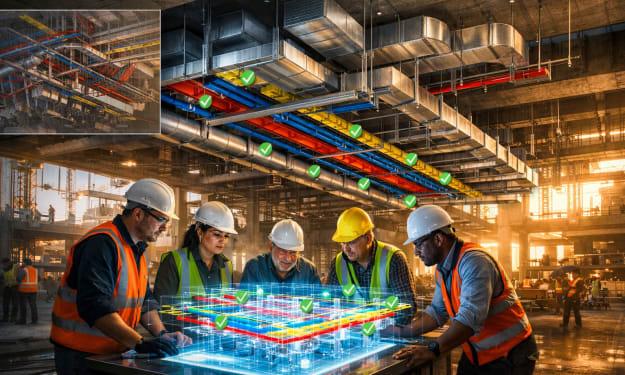
How BIM Improves MEP Coordination for Large-Scale Projects?
In large-scale construction projects—such as hospitals, airports, commercial towers, data centers, and industrial facilities—MEP (Mechanical, Electrical, and Plumbing) systems account for nearly 30–50% of total project cost. Yet, they are also the most coordination-intensive disciplines.
By Matt Sharon7 days ago in Education
Domestic Service
Good morning, today we will be looking into Domestic service within the Victorian and Edwardian Eras. The older generation watched “Upstairs, Downstairs”, and more recently there is the very popular series “Downton Abbey”, both which accurately portray what life was like for domestic servants during these two Eras.
By Ruth Elizabeth Stiff6 days ago in Education



Comments
There are no comments for this story
Be the first to respond and start the conversation.