
Clearing Samples for Music Production: A Comprehensive Guide
Samples for Music Production

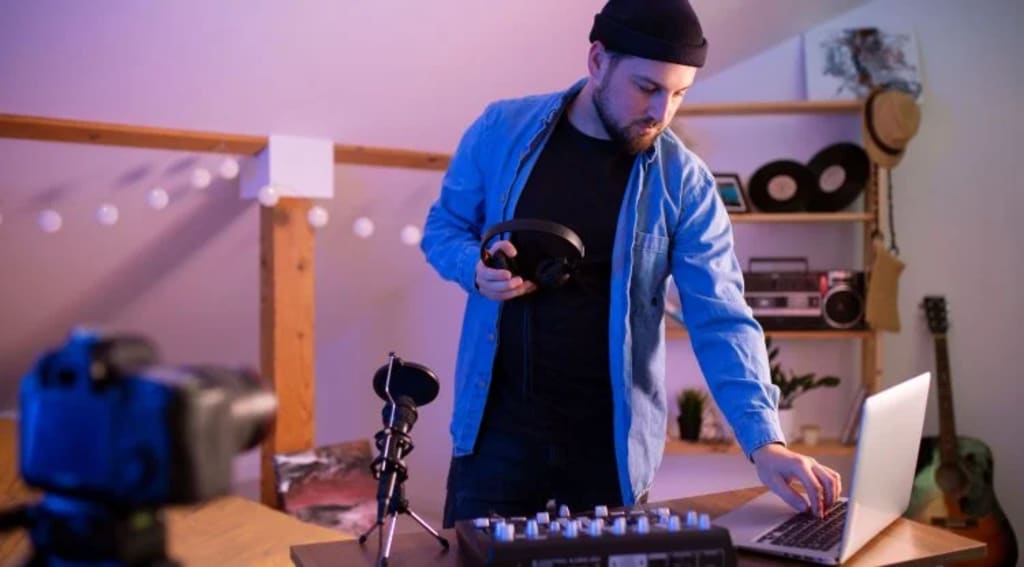
Sampling has become an integral part of music production across genres, from hip-hop to EDM. Artists often use snippets from pre-existing tracks to add depth, texture, or homage to their work. However, incorporating samples without proper clearance can lead to legal complications, fines, and even lawsuits. In this article, we’ll provide an in-depth look into how to get samples cleared, ensuring your music is both creative and compliant with copyright laws.
What is Sampling in Music?
Sampling involves taking a portion of a sound recording and reusing it in a new composition. This technique has been used by iconic artists like Kanye West, Daft Punk, and The Prodigy to craft unique tracks that resonate with audiences. However, sampling comes with the responsibility of obtaining permissions to avoid copyright infringement.
Why is Clearing Samples Important?
When you sample a track, you’re essentially borrowing someone else’s intellectual property. Without clearance, you’re at risk of:
Lawsuits: Copyright holders can sue for damages or demand a share of your royalties.
Takedowns: Platforms like YouTube may remove your tracks if flagged for copyright violations.
Loss of Reputation: Legal troubles can tarnish your professional credibility as an artist.
To avoid these pitfalls, it’s essential to understand the process of clearing samples.
The Process of Clearing Samples
1. Identify the Copyright Holders
Every recorded song typically has two sets of rights holders:
Composition Rights: These belong to the songwriter or music publisher.
Sound Recording Rights: These are owned by the record label or artist who created the master recording.
Use platforms like Discogs, BMI, or ASCAP to trace the copyright holders.
2. Reach Out for Permission
Once you’ve identified the right parties, you’ll need to negotiate the terms of use. This process often involves:
Explaining how you intend to use the sample (e.g., duration, purpose).
Offering compensation, which could be a flat fee or a percentage of royalties.
3. Negotiate a Licensing Agreement
The two most common types of licenses are:
Mechanical License: For reproduction of the music.
Master Use License: For using the actual sound recording.
A well-drafted agreement ensures both parties are legally protected.
Best Practices for Sampling in Music
Use Royalty-Free Libraries
If clearing samples seems overwhelming, consider using royalty-free libraries like Splice or Looperman. These platforms offer pre-cleared samples that can be used in your projects without legal hassles.
Hire a Music Clearance Agency
Agencies like Songfile or Tracklib specialize in clearing samples, saving you time and effort.
Leverage Online Tools for Mastering and Branding
Ensure your sampled tracks are polished and professional by using services like mastering tracks online. And, elevate your promotional visuals with tools such as Canva to create rap.
Comply with Platform Guidelines
Platforms like YouTube have strict copyright policies. Refer to resources like how monetization works on YouTube to align your content strategy with platform requirements.
How Clearing Samples Boosts Your Career
Clearing samples isn’t just about avoiding legal trouble. It also ensures:
Credibility: Your work is seen as professional and ethical.
Collaboration Opportunities: Proper clearances can open doors to partnerships with original artists or their representatives.
Monetization: With cleared samples, you can confidently monetize your tracks across platforms like Spotify, Apple Music, and YouTube.
YouTube’s Role in Sampling and Music Distribution
YouTube is a major player in music discovery and monetization. By ensuring your sampled tracks are cleared, you can avoid takedowns and even benefit from tools like the YouTube OAC Merge Timeline, which consolidates your content under an Official Artist Channel.
Conclusion
Sampling is a powerful tool for creativity, but it comes with its own set of challenges. By following the proper procedures for clearing samples, you protect yourself legally and enhance your reputation as a professional artist.
Remember to leverage online resources and tools to streamline the process, such as mastering tracks online and understanding how monetization works on YouTube. Ready to create music that’s both innovative and compliant? Start by mastering the art of sample clearance today.
About the Creator
Keep reading
More stories from Deliver My Tune and writers in Education and other communities.
The Business of Music: Digital Strategies for Artists
The music industry is no longer just about talent and connections. In today’s digital-first world, artists need to master the business side of their craft to truly succeed. Platforms like YouTube, Twitter, and streaming services offer unprecedented opportunities for musicians to showcase their art, connect with fans, and generate income. However, navigating these platforms effectively requires strategic planning and a deep understanding of tools and techniques.
By Deliver My Tuneabout a year ago in Education
Communicating with Confidence: Building Trust Through Simplicity
Trust is the cornerstone of any meaningful relationship, whether professional or personal. At the heart of trust lies the ability to communicate clearly. People naturally respond to straightforward, reliable, and easy-to-understand information. Professionals who prioritize clarity establish credibility and foster confidence in others. Clients, colleagues, and partners feel assured that they can make informed decisions when the messages they receive are transparent and well-articulated.
By Stacey Yim6 days ago in Education



Comments
There are no comments for this story
Be the first to respond and start the conversation.