
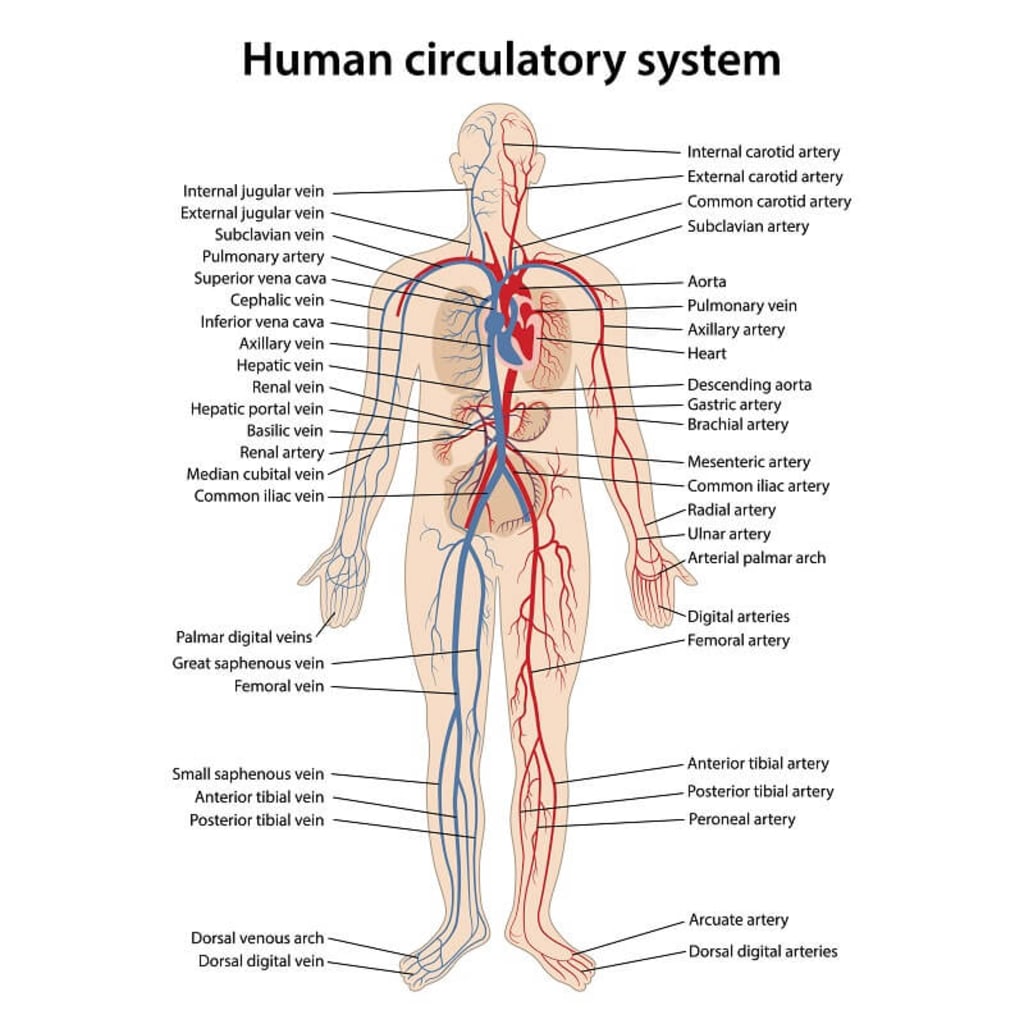
The circulatory system is a vital system in the human body that plays a crucial role in maintaining the body's overall health and functioning. It is responsible for the transportation of essential substances such as oxygen, nutrients, hormones, and waste products throughout the body.
The system comprises three main components: the heart, blood vessels, and blood. The heart is a muscular organ that pumps blood throughout the body, while blood vessels are the network of tubes that carry blood to and from the heart. Blood is the fluid that circulates through the vessels, carrying oxygen and nutrients to cells, and removing waste products such as carbon dioxide.
The circulatory system is essential for maintaining homeostasis in the body, which is the body's ability to maintain a stable internal environment. It helps regulate blood pressure and flow, and it is involved in the body's immune system, as it helps to fight off infections and diseases.
Understanding the functions and structure of the circulatory system is crucial in understanding the body's overall functioning and the diagnosis and treatment of various diseases and conditions that affect the system.
What is Circulatory System
The circulatory system, also known as the cardiovascular system, is a complex network of organs, blood vessels, and blood that work together to transport oxygen, nutrients, and other vital substances throughout the body. The circulatory system is responsible for supplying oxygen and nutrients to cells, tissues, and organs, while also removing carbon dioxide and other waste products from the body.
The circulatory system consists of the heart, which acts as a pump, and the blood vessels, which transport blood throughout the body. Blood vessels are further classified into three types: arteries, veins, and capillaries. Arteries carry oxygenated blood from the heart to the body's tissues, while veins transport deoxygenated blood back to the heart. Capillaries are the smallest blood vessels and are responsible for the exchange of oxygen, nutrients, and waste products between the blood and body tissues.
The circulatory system is critical for maintaining the body's overall health and function. It helps regulate blood pressure, deliver oxygen and nutrients to cells, remove waste products, and play a crucial role in the immune system by transporting immune cells to fight off infections and diseases. Disorders and diseases that affect the circulatory system, such as heart disease and stroke, can have severe consequences and can impact the body's overall health and well-being.
Why is Circulatory System is important
The circulatory system is crucial for maintaining the body's overall health and well-being. It performs several essential functions that are necessary for the proper functioning of the body's cells, tissues, and organs. Some of the important functions of the circulatory system include:
Transport of oxygen and nutrients: The circulatory system is responsible for transporting oxygen and nutrients to the body's cells and tissues, which are essential for energy production and cell metabolism.
Removal of waste products: The circulatory system helps remove waste products, such as carbon dioxide, from the body's cells and tissues. This is crucial for maintaining the proper pH balance of the body's fluids and preventing the accumulation of toxic substances.
Regulation of body temperature: The circulatory system helps regulate the body's temperature by transporting blood to the skin's surface and allowing for heat exchange with the environment.
Immune system function: The circulatory system plays a critical role in the body's immune system by transporting white blood cells and other immune cells to areas of infection or injury to fight off foreign invaders and protect the body against disease.
Hormone transport: The circulatory system helps transport hormones and other signaling molecules throughout the body, regulating various physiological processes.
Overall, the circulatory system is essential for the body's overall functioning, and disruptions in its normal function can lead to severe consequences, such as heart disease, stroke, and other circulatory disorders. Therefore, it is crucial to maintain a healthy circulatory system through proper nutrition, exercise, and regular medical check-ups.
Ways to keep our Circulatory System healthy
There are several ways to maintain a healthy circulatory system, including:
Exercise regularly: Regular physical activity is crucial for maintaining a healthy circulatory system. Exercise helps improve blood flow, reduce blood pressure, and strengthen the heart and blood vessels.
Eat a healthy diet: Eating a healthy, well-balanced diet that is low in saturated fats, trans fats, and sodium and high in fiber, fruits, and vegetables can help maintain a healthy weight, lower cholesterol levels, and reduce the risk of heart disease and other circulatory disorders.
Manage stress: Chronic stress can lead to high blood pressure, heart disease, and other circulatory disorders. Managing stress through techniques such as meditation, yoga, and deep breathing can help reduce the risk of these conditions.
Quit smoking: Smoking is a significant risk factor for heart disease and other circulatory disorders. Quitting smoking can improve blood flow, reduce blood pressure, and lower the risk of heart disease.
Maintain a healthy weight: Being overweight or obese can increase the risk of heart disease, stroke, and other circulatory disorders. Maintaining a healthy weight through a healthy diet and regular exercise can help reduce the risk of these conditions.
Get regular check-ups: Regular medical check-ups can help detect and treat any circulatory disorders early on, reducing the risk of complications and improving overall health.
Overall, maintaining a healthy lifestyle that includes regular exercise, a healthy diet, stress management, and avoiding harmful habits such as smoking is crucial for maintaining a healthy circulatory system.
About the Creator
Keep reading
More stories from writers in Education and other communities.
Guide to Canada's Six Essential Learning Skills for Students
Written by Kiki Devano In Canada, there are the six essential skills that are encouraged for students to develop. These learning skills have a formidable impact on student learning and will help them achieve further success. This is a guide to aid students in successfully developing the essential skills.
By Kiki Devano5 days ago in Education
Benefits of Study Abroad Scholarships
Benefits of Study Abroad Scholarships Millions of students around the world long to study abroad. It's very exciting to have the chance to study at a foreign university, learn about a new culture, and build a career that spans the globe.
By Farida Kabir5 days ago in Education


Comments (1)
good