
China plans to train foreign police for a ‘more fair’ order
Examining Beijing’s initiative to export law enforcement training abroad and its global implications
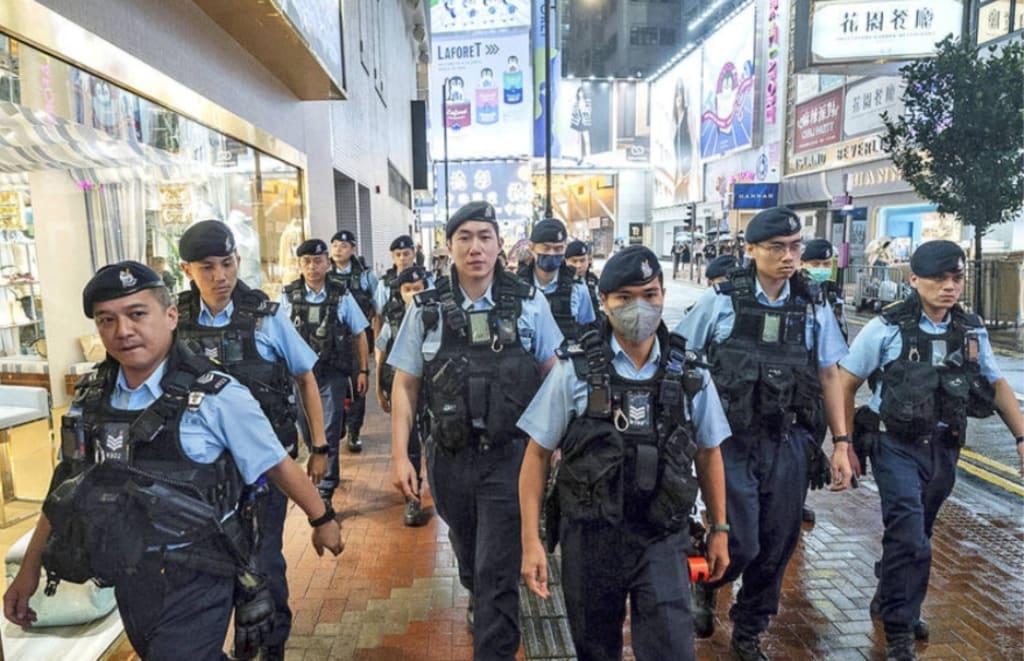
China has announced plans to train foreign police officers as part of a broader initiative to promote what it describes as a “more fair and just social order.” The move has sparked international interest and debate, raising questions about China’s growing influence in global policing, human rights standards, and international security cooperation.
While the official narrative emphasizes fairness, stability, and international collaboration, experts caution that such programs could carry both practical benefits and geopolitical risks.
China’s Objectives and Rationale
According to Chinese authorities, the program aims to:
Enhance law enforcement capabilities in partner countries
Promote a rule-based approach to policing
Share experience in maintaining social order in a rapidly urbanizing and technologically advanced society
Officials frame the training as part of China’s global cooperation agenda, suggesting that foreign police can learn best practices from Chinese policing methods, including urban management, crisis response, and community engagement.
The initiative aligns with Beijing’s broader efforts to expand its soft power and international influence, particularly in regions where China maintains strategic economic and political partnerships.
The Training Programs
Details about the program indicate that foreign officers may be invited to study in China at law enforcement academies or participate in exchange programs with Chinese police departments. Topics likely to be covered include:
Public security strategies
Cybersecurity and surveillance technology
Crowd management and emergency response
Legal frameworks for urban governance
China emphasizes that the goal is mutual learning and the establishment of professional networks across borders. However, international observers note that there is limited transparency on the curriculum and the methods used, sparking debates about ethics and accountability.
Global Reactions and Concerns
While some countries see potential benefits—such as enhanced training and technical knowledge—others are cautious about the geopolitical implications:
Human Rights Watch and advocacy groups have raised concerns that Chinese policing methods, including extensive surveillance and social control technologies, may not align with democratic norms or human rights standards.
Western governments worry that exposure to Chinese methods could influence domestic policing in ways that prioritize control over civil liberties.
Partner nations in Africa, Asia, and Latin America may weigh the appeal of training and technology support against possible diplomatic consequences with other major powers.
Critics warn that exporting law enforcement strategies could inadvertently spread practices that limit political freedoms, even if framed as improving fairness.
China’s Experience in Policing
China often cites its domestic achievements in crime reduction, urban management, and public order as justification for training foreign police. With a population of over 1.4 billion, authorities argue that China’s experience managing complex urban centers and diverse communities offers valuable insights for other countries facing challenges like rising crime, rapid urbanization, and digital security threats.
Additionally, China has invested heavily in policing technology, including facial recognition, AI-powered surveillance, and predictive policing systems. Such tools are likely to be part of the training, raising both interest and concern among international partners.
Potential Benefits for Partner Countries
For participating nations, the training could offer several advantages:
Capacity Building: Officers can gain skills in handling complex urban security issues.
Technical Knowledge: Training may include modern policing tools, data management, and crime prevention strategies.
Diplomatic Ties: Engagement in law enforcement programs can strengthen bilateral relationships with China, particularly in trade and security cooperation.
Crime Reduction: Implementing effective practices from China could contribute to safer urban environments.
Proponents argue that these programs, if carefully managed, could foster professional development and international cooperation.
Challenges and Criticisms
Despite potential benefits, the initiative faces significant challenges:
Ethical Concerns: Chinese policing methods often rely on surveillance and control mechanisms that may conflict with human rights standards abroad.
Transparency Issues: Lack of clarity about curricula and training outcomes raises questions about what foreign officers are learning.
Political Influence: Some analysts suggest that China may use the programs to extend its influence over foreign law enforcement and indirectly promote its governance model.
Public Perception: Citizens in partner countries may react negatively if they perceive foreign police adopting methods that restrict freedoms or privacy.
These concerns underscore the need for careful oversight and alignment with international norms.
The Bigger Picture
China’s plan reflects a broader trend of exporting domestic governance models through soft power initiatives. Beyond policing, China has promoted infrastructure projects, digital technology platforms, and cultural programs globally. The law enforcement training program is part of this strategic effort to shape global standards and networks.
Observers note that the initiative is likely designed not only to share knowledge but also to position China as a central actor in global security governance, challenging traditional Western dominance in law enforcement training and international policing standards.
Conclusion
China’s plan to train foreign police in pursuit of a “more fair” social order is a complex and multifaceted initiative. While it offers opportunities for technical training, professional development, and international collaboration, it also raises ethical, political, and human rights concerns.
The program highlights China’s ambition to expand its global influence and shape international norms, while also exposing the delicate balance between security, governance, and civil liberties in an interconnected world.
For partner countries, the challenge will be to leverage the benefits of training without compromising domestic legal standards or human rights commitments. As the initiative unfolds, the world will be watching to see whether this effort becomes a model for cooperation or a source of controversy.
About the Creator
Keep reading
More stories from Aarif Lashari and writers in Education and other communities.
US Urges Its Citizens to Flee Venezuela Amid Reports of Paramilitaries
The United States has issued a strong warning urging its citizens to immediately leave Venezuela, citing growing security risks and alarming reports of armed paramilitary groups operating across the country. The advisory, released by the US State Department, reflects escalating concern over the deteriorating safety situation as political instability, armed violence, and lawlessness intensify.
By Aarif Lashari6 days ago in Education
How smart are crows?
In one of Aesop’s 2,500-year-old fables, a crow is searching for water. It spies a pitcher and discovers liquid inside— but it's beyond reach. Soon, the crow begins dropping pebbles into the pitcher. One by one, they displace the water, and the crow quenches its thirst. Interestingly, this fable turns out to be pretty accurate. In a 2014 experiment, scientists placed a food reward in a tube partially filled with water and watched as crow after crow dropped stone after stone in until the food was in beak-snatching distance.
By Munesh Yadavabout 8 hours ago in Education
Key Qualities to Look for in a Financial Advisor for Your Retirement Goals
Choosing a financial advisor is one of the most important decisions you will make as you prepare for retirement. The right advisor can help you create a strong financial plan, protect your savings, and guide you through complex decisions about investments, taxes, and income distribution. Since retirement planning involves long-term commitments, it is essential to work with someone who understands your goals and values. Knowing what to look for in a financial advisor ensures you choose a professional who can support your financial security for years to come.
By Keith D'Agostino3 days ago in Education



Comments
There are no comments for this story
Be the first to respond and start the conversation.