
Chichen Itzá
Astonishing Facts You didn't Know


Chichen Itza, a breathtaking archaeological marvel located on Mexico's Yucatan Peninsula, stands as a testament to ancient history and remarkable architecture.
Once a flourishing city of the Mayan civilization, this site continues to captivate visitors from all over the world. In this blog post, we’ll uncover some intriguing facts that are sure to amaze you.
Meaning Of Chichen Itza
Chichen Itza translates to "Mouth of the Well of the Itzaes." The Itzaes were a Mayan tribe that migrated from southern Mexico and eventually settled in the Yucatan region, where Chichen Itza is situated.
The Pyramid of Kukulcan
Each of its four sides features 91 steps, adding up to a total of 364 steps. If you include the top platform as the final step, the total comes to 365, which corresponds to the number of days in a solar year.
The phenomenon of the descending serpent
During the spring and autumn equinoxes, sunlight produces a captivating visual effect on the northern staircase of the Pyramid of Kukulkan. The shadow created resembles a serpent sliding down the pyramid, symbolizing Kukulkan, the feathered serpent, a significant deity in Mayan mythology.
Sacred Cenote
There are several cenotes, but the Sacred Cenote is the most renowned. The Mayans viewed cenotes as entrances to the underworld and sacred sites for performing ritual sacrifices. A variety of gold and jade artifacts, along with human skeletons, have been discovered in the Sacred Cenote, providing evidence of these ancient rituals.
Sound effect in the castle
When you stand in front of the northern staircase of the Pyramid of Kukulkan and clap, the sound reverberates, creating an echo that mimics the call of a quetzal, a bird considered sacred by the Mayans. This acoustic effect highlights the sophisticated architectural expertise of the ancient builders.
Declared a World Heritage Site
It was designated a World Heritage Site by UNESCO in 1988 and recognized as one of the New Seven Wonders of the World in 2007. This international recognition highlights its historical and cultural importance.
The Sacred Altar of the Temple of the Warriors
At the summit of the Temple of the Warriors, a table rests on statues of small mythical beings called aluxes. Legend has it that this was the site where sacrifices were made to the gods. Today, this area is off-limits to visitors.
The Legacy of Edward Herbert Thompson and Chichen Itza
In the early 20th century, American Edward Herbert Thompson acquired the property that includes Chichen Itza. Since his purchase, many significant discoveries have occurred. He decided to dredge the Sacred Cenote, where a wealth of valuable artifacts was uncovered and subsequently sent to the Peabody Museum in Massachusetts. After a legal battle with the Mexican government that extended until 1945, the land was returned to his heirs, along with several items that Thompson had taken to the United States.
The Ballgame of Chichen Itza: A Ritual of Light and Honor
The ballgame at Chichen Itza is the largest in Mesoamerica and is thought to symbolize a struggle between the sun and the underworld. To secure the light, the Maya needed to get the ball through the hoop. Although it was played regularly for fun, it is also believed to have held significant ritual importance and offered a means for prisoners to restore their honor.
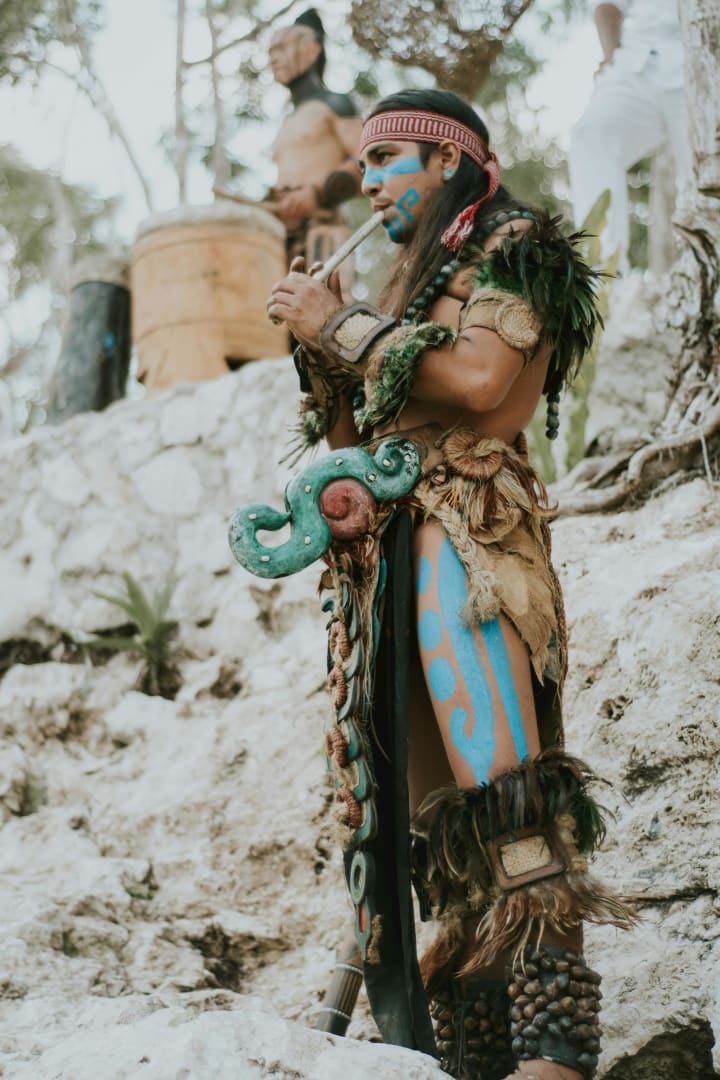
Chichen Itza continues to be a fascinating mystery that connects us to ancient civilizations and their complex beliefs and knowledge. Delving into these intriguing facts reveals that this archaeological site is much more than mere remnants of stone; it stands as a testament to the creativity, spirituality, and advanced engineering of the ancient Mayan civilization.
About the Creator
Bardo Hernandez
Born and raised in Cancun, Mexico. I’m someone who loves a little bit of everything—history, legends, poetry, and the occasional fun fact.
Keep reading
More stories from Bardo Hernandez and writers in Education and other communities.
Claudia Sheinbaum: A New Era of Promise and Peril for Mexico
Claudia Sheinbaum’s election as Mexico’s first female president in 2024 marks a historic moment for the country, but it also brings both optimism and concerns. As a close ally of former president Andrés Manuel López Obrador (AMLO), Sheinbaum has vowed to continue his policies, raising questions about what changes and challenges lie ahead for the nation.
By Bardo Hernandezabout a year ago in Education
Tech on the Move: How Mobile Response Technology Transforms Disaster Relief Operations
Disaster relief operations have always required speed, accuracy, and adaptability. Yet as emergencies grow more frequent and more complex, traditional relief methods often fall short. Communities face collapsing infrastructure, mass displacement, communication failures, and urgent medical needs. In this challenging environment, mobile response technology has emerged as a game-changer. From mobile command centers to portable medical units and satellite-based communication tools, these technologies bring critical support directly into disaster zones. Their mobility and advanced capabilities are reshaping how responders work, strengthening coordination, and accelerating recovery.
By Convoy of Hope5 days ago in Education



Comments
There are no comments for this story
Be the first to respond and start the conversation.