
Casting into Tranquility: The Fly Fisherman's Life
A Journey Through Traditional Angling

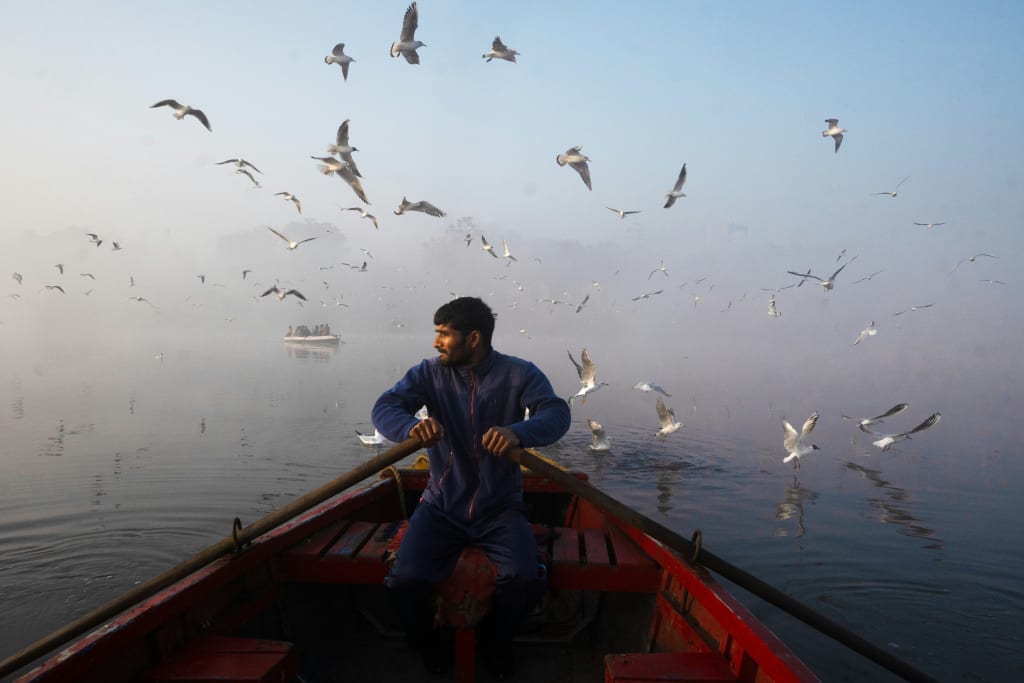
Fly fishing is more than just a sport; it’s a pursuit that blends art, patience, and an intimate connection with nature. Unlike traditional fishing, fly fishing requires a delicate touch, a keen understanding of the environment, and the patience to wait for the right moment. For those who practice it, the experience goes far beyond the thrill of a catch—it becomes a ritual, a form of meditation, and a way to immerse oneself in the world’s most serene settings.
A Passion That Begins Quietly
For many fly fishermen, the journey begins at a young age. Perhaps it’s a family tradition, passed down through generations, or maybe it’s an innate desire to connect with nature that draws them to the sport. Whatever the catalyst, it is clear that fly fishing doesn’t happen overnight. At first, the experience can feel awkward—casting the rod with the wrong motion, the fly hitting the water too forcefully, or the line tangling in trees. These moments, though frustrating, are the foundation of learning.
As time passes, the fly fisherman grows more adept. They begin to understand the subtle nuances of casting, learning the perfect rhythm between rod and line. They also learn how to read the water—recognizing the areas where fish are likely to be, understanding the currents, and predicting how the fly will drift. This learning curve is both humbling and rewarding, with each mistake providing valuable lessons that lead to greater success. Over the years, the river has evolved into more than just a fishing spot—it has become a sanctuary, providing a serene refuge from the distractions of the outside world.
The Precision of Casting
The beauty of fly fishing lies in its technique. Unlike other forms of fishing, where the goal is to catch fish, fly fishing requires a precision that borders on artistry. The fisherman must not only cast the line but do so with finesse, ensuring that the fly lands gently on the water’s surface, imitating an insect that a fish might find tempting. A good cast is an extension of the angler's skill and understanding of the water. It’s not about distance but about accuracy and control.
To succeed, the fly fisherman must adjust to the changing conditions of the water. The flow, the temperature, and the presence of fish all influence the approach. Experienced anglers understand the subtle difference between when a fly should float on the surface, sink below the water, or dart through the currents. Each type of fly, whether it’s a dry fly, nymph, or streamer, serves a specific purpose, and the ability to choose the right one is what separates skilled fishermen from beginners.
The act of casting itself becomes second nature, a fluid motion that takes practice but eventually feels instinctive. As the line arcs through the air and the fly gently touches the water, the fisherman feels the satisfaction of a cast well made. The connection between the angler and the river is palpable—each movement is an interaction with nature, each cast a conversation with the water.
The Tranquil Escape
Fly fishing provides a unique opportunity to disconnect from the fast-paced world of daily life and reconnect with nature. For many fishermen, the river becomes a sanctuary where the outside world fades away. The only sound is the gentle rush of the water and the rustling of leaves in the trees. The pressures of work, relationships, and responsibilities seem distant as the fisherman focuses entirely on the task at hand.
This tranquility is one of the reasons why so many fly fishermen return to the water, season after season. The sport offers an escape—a chance to leave behind the noise and chaos of modern life and immerse oneself in the peace of the natural world. Even without the promise of a catch, casting becomes a meditative act. The repetitive motion of casting, followed by the slow drift of the fly, invites a deep sense of calm.
It’s not just about being alone, though. Fly fishing can also be a shared experience, where friends or family join in the quiet pursuit. The experience of spending hours together on the river, enjoying the peace and beauty of the surroundings, fosters a unique bond. Even in the presence of others, the river allows each person to find their own connection to the water.
Patience and Perseverance
The most significant lesson that fly fishing teaches is the importance of patience. Unlike other sports, where immediate results are often the goal, fly fishing requires the angler to wait. The fish don’t always bite, and some days can go by with minimal action. The fisherman must learn to stay, to observe, and to trust in the process.
Patience is not just about waiting for the fish to take the fly. It’s also about accepting the unpredictability of nature. The weather changes, the water conditions shift, and the fish’s behavior is never the same. One day, the river might be teeming with fish, and the next, it might seem completely barren. Fly fishing teaches the angler to embrace these variations, to adjust their tactics and technique as needed, and to be content with whatever the river offers.
This process of waiting and adjusting fosters a deeper understanding of the natural world. The fisherman learns to read the signs—the ripples on the water’s surface, the way the wind moves the trees, and the behavior of the fish. These subtle cues inform the fisherman’s next move, guiding them toward the best spots and the most successful tactics. It’s a continuous cycle of observation, learning, and refinement.
A Personal Journey
Fly fishing is more than just a physical activity; it is a journey of personal growth. It’s about more than the fish. It’s about the connection to the river, the environment, and oneself. Over time, the angler becomes more attuned to nature, developing an intimate understanding of the water, the creatures that inhabit it, and the rhythm of the seasons.
The rewards of fly fishing aren’t always measured in the number of fish caught. Instead, they are found in the quiet moments of reflection, the satisfaction of a well-made cast, and the sense of accomplishment that comes from mastering the craft. Even on a day when the fish aren’t biting, the experience of spending time by the water is enough.
For many fly fishermen, the sport becomes a lifelong pursuit. It’s a hobby that evolves, with each season offering new challenges, new lessons, and new growth opportunities. The bond between the angler and the river deepens with each outing. Fly fishing is more than just a sport; it’s a way of life—one that offers peace, reflection, and a deeper connection to the natural world.
The life of a fly fisherman is a journey that requires patience, skill, and a deep appreciation for nature. It’s a pursuit that challenges the body and the mind while offering a profound sense of peace and connection. Whether spent alone or with others, on a quiet stream or a rushing river, fly fishing allows the angler to slow down, observe, and immerse themselves in the natural world. It’s not just about catching fish; it’s about the journey, the process, and the quiet moments of reflection that make each cast worth it.
About the Creator
John Lennox Cummings
John Lennox Cummings, known by many as Lennox, graduated summa cum laude from the College of Charleston’s Beatty School of Business, earning a 3.95 GPA.
Portfolio: https://lennoxcummings.com/
Website: https://johnlennoxcummings.com/
Keep reading
More stories from John Lennox Cummings and writers in Education and other communities.
Elevating Your Finance Career Through Strategic Experience
Success in finance requires more than academic achievements; it demands strategic finance experience that combines technical skills, practical exposure, and professional growth. Developing a well-rounded career in this competitive field involves navigating complex financial systems, understanding market trends, and applying knowledge to real-world situations. Professionals seeking meaningful opportunities position themselves for long-term success and stand out to employers seeking capable and adaptable talent.
By John Lennox Cummings4 months ago in Education
The Evil That Men Do
In all of recorded history there have been those who hide behind cloaks of deception and deceit willfully aware of their heinous intentions. It has always been that man continues to be brutally, savagely and horrifically attacked by others. An innate sense of survival propels such atrocities? No! A will full, malicious, and calculated carnage upon humanity continues masked by reshaped ideologies.
By Dr. Williams6 days ago in Education
Books That Open the Mind: Expanding Horizons Through Literature
Books have always been more than just a form of entertainment; they are gateways to new worlds, new ideas, and new perspectives. As we move through life, we are constantly shaping our minds, expanding our thoughts, and discovering different viewpoints. Books are instrumental in this process, offering the opportunity to explore topics that challenge our assumptions, help us understand others, and expand our intellectual boundaries. Here are some remarkable books that not only engage the mind but have the potential to profoundly shape and broaden one's way of thinking: 1. "Sapiens: A Brief History of Humankind" by Yuval Noah Harari Yuval Noah Harari's "Sapiens" takes readers on a sweeping journey through the history of human civilization, from the earliest days of Homo sapiens to modern-day society. Harari tackles some of the biggest questions about human existence—how we came to dominate the planet, the way we form societies, and how our collective myths and beliefs influence the world. The book encourages readers to question everything they think they know about history, politics, and economics. It challenges the reader to reflect on human nature and our collective choices, such as the impact of agriculture on human development and the ethical consequences of our technological advancements. "Sapiens" encourages introspection and self-awareness, making it an essential read for anyone seeking to broaden their understanding of humanity and the forces that shape our world. 2. "The Art of Happiness" by Dalai Lama and Howard Cutler Happiness is something we all seek, yet it can feel elusive. In "The Art of Happiness," the Dalai Lama offers insights into how we can achieve lasting happiness by cultivating inner peace, compassion, and mindfulness. Written in collaboration with psychiatrist Howard Cutler, this book combines practical advice with spiritual wisdom. The Dalai Lama’s teachings challenge readers to rethink their approach to happiness, focusing not on external achievements but on internal well-being. It encourages a mindset shift that emphasizes compassion, connection, and the importance of cultivating a peaceful mind, which can help readers lead a more fulfilling life. 3. "Thinking, Fast and Slow" by Daniel Kahneman Daniel Kahneman’s "Thinking, Fast and Slow" is a groundbreaking exploration into the two systems that drive human thought: System 1, which operates automatically and quickly, and System 2, which is more deliberate and slow. Kahneman, a psychologist and Nobel laureate, delves into cognitive biases, heuristics, and the flaws in our thinking that often lead to poor decisions. This book opens readers’ minds to the intricate ways in which our minds process information and make decisions. It prompts readers to think critically about how they arrive at conclusions and how biases—both conscious and unconscious—affect their lives. It’s a thought-provoking read that challenges the assumptions behind everyday decision-making. 4. "The Power of Now" by Eckhart Tolle Eckhart Tolle’s "The Power of Now" has been a transformative read for many seeking spiritual awakening. In this book, Tolle focuses on the importance of living in the present moment and how the mind’s tendency to dwell on the past or worry about the future creates unnecessary suffering. Through this book, readers are introduced to mindfulness, meditation, and other practices that allow them to become more present in their daily lives. "The Power of Now" encourages individuals to let go of the ego, experience life as it is, and accept themselves fully. The insights offered by Tolle have inspired countless individuals to find peace within themselves, making this a profound read for anyone seeking inner transformation. 5. "Man’s Search for Meaning" by Viktor E. Frankl Viktor Frankl’s powerful memoir, "Man’s Search for Meaning," chronicles his time as a prisoner in Nazi concentration camps during World War II. Frankl, a psychiatrist, reflects on the suffering he endured and the psychological insights he gained about the human condition. He introduces his theory of logotherapy, which posits that the primary motivation in life is to find meaning, even in the most extreme circumstances. Frankl’s reflections on finding purpose in suffering and the importance of meaning in life serve as an inspiring guide to those seeking to understand the depths of human resilience and the power of a positive mindset. His words resonate deeply, offering profound wisdom for anyone facing personal challenges. 6. "The Four Agreements" by Don Miguel Ruiz Don Miguel Ruiz’s "The Four Agreements" is a simple yet profound guide to personal freedom and happiness. Based on ancient Toltec wisdom, the book presents four principles that can lead to a life of peace, clarity, and love. These agreements are: Be impeccable with your word, Don’t take anything personally, Don’t make assumptions, and Always do your best. Ruiz’s work opens up new ways of thinking about how we relate to ourselves and others, urging readers to let go of limiting beliefs and embrace a mindset that promotes personal growth and emotional well-being. 7. "Educated" by Tara Westover Tara Westover’s memoir "Educated" recounts her journey from growing up in a strict, survivalist family in rural Idaho to earning a PhD from the University of Cambridge. Westover’s account explores the challenges of overcoming a limited, isolated upbringing and the transformative power of education. "Educated" is not just a story of personal triumph but also a powerful commentary on the importance of knowledge, critical thinking, and the desire for self-empowerment. It serves as an inspiration to those who have faced adversity and is a reminder of the power that education holds in shaping lives and breaking the cycles of ignorance. Conclusion: Opening Minds, Expanding Horizons Books hold the incredible ability to shape our thoughts, challenge our beliefs, and expand our understanding of the world. The aforementioned books offer perspectives that can inspire and transform, allowing us to reflect on our relationships, the world around us, and our inner selves. As we embrace the written word, we open ourselves up to new ideas, perspectives, and the possibility of growth. So, whether it’s through examining the history of humanity, exploring our cognitive processes, or delving into the depths of our own minds, books are our constant companions on the journey of self-discovery and enlightenment.
By Fiazahmedbrohi 7 days ago in Education


Comments