
Can VR And AR Support Students With Special Needs
Exploring the Potential of Virtual and Augmented Reality for Students with Special Needs

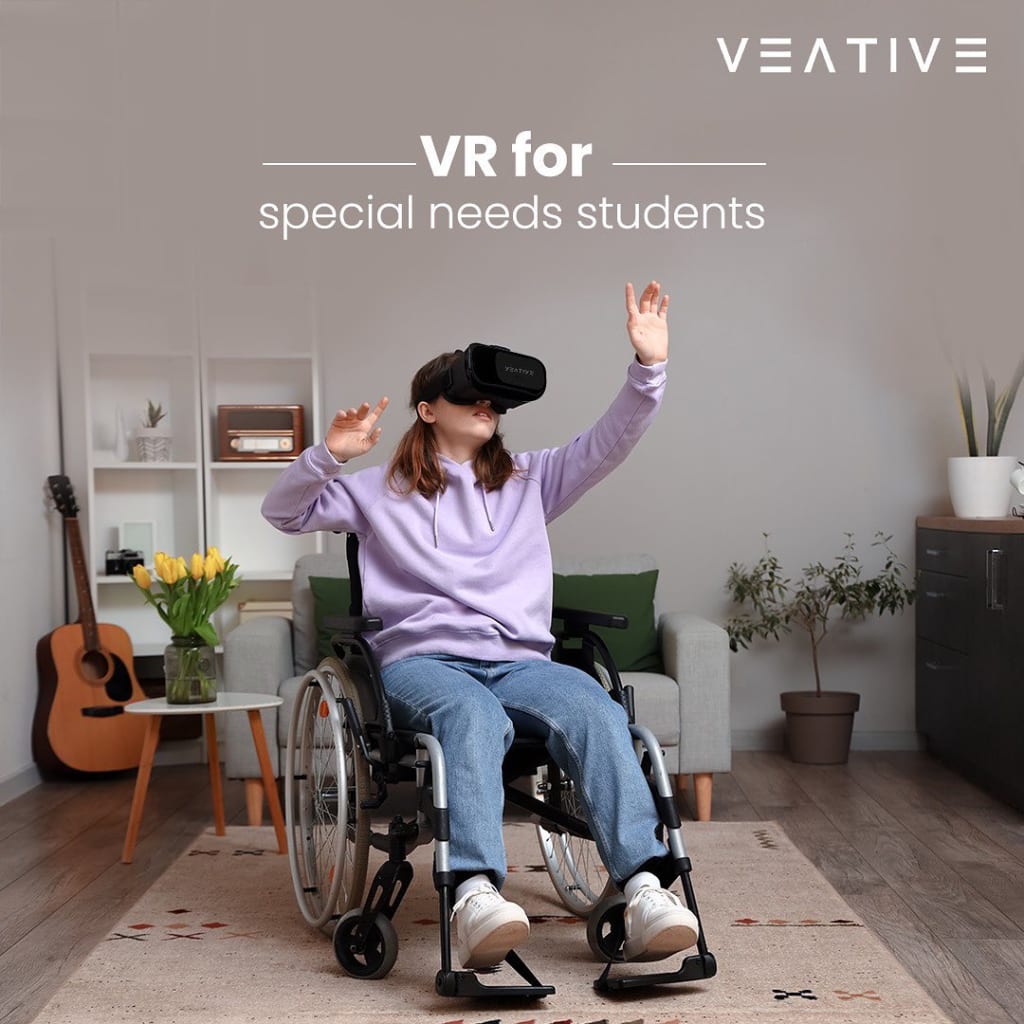
Imagine a classroom with students, each with their unique abilities and challenges. For example, some students have the gift of sight, while others may struggle with it. Some can hear every sound, while others have difficulty processing auditory information. But they have one thing in common.
This is where virtual reality and augmented reality come into play. These technologies act like superheroes for students with special needs. Like a superhero with special powers, VR and AR have unique capabilities that can support students with special needs. In this article, let’s explore the benefits and importance of special education in VR.
Special Education in VR
Virtual reality (VR) and augmented reality (AR) may seem like futuristic concepts reserved only for the latest tech gadgets and video games. However, these cutting-edge technologies have a far more critical role: supporting students with special needs. By creating an immersive and engaging learning experience, VR and AR can help students with a range of disabilities to unlock their full potential and succeed in the classroom and beyond.
Improving engagement
Just like a superhero captivates its audience, augmented and virtual reality creates an immersive and engaging experience that captures the attention of students with special needs. It is beneficial for those who struggle to stay focused longer. AR and VR can be customized to meet student’s unique needs and preferences. This personalization can increase engagement, as students feel the learning experience is tailored to their strengths and interests.
Enhancing communication skills
Virtual and augmented reality can also improve communication skills for students with speech and language disorders. These technologies can provide a safe and controlled environment where students can practice their communication skills, such as expressing emotions, initiating conversations, and following social cues.
Supporting sensory integration
Some students with special needs, such as those with sensory processing disorders, can benefit from VR and AR programs that provide a controlled sensory environment. These programs can help students become more comfortable with sensory inputs such as sounds, lights, and movement. For example, a VR program can provide visual and auditory stimuli to capture the attention of students with autism or attention deficit hyperactivity disorder (ADHD).
Gamified experience
AR and VR can add fun and excitement to the learning experience by incorporating game-like elements such as challenges, rewards, and feedback. This gamification can help to increase engagement, particularly for students with learning disabilities who may struggle with traditional classroom activities.
Practical learning in a safe environment
AR and VR can provide a safe and controlled environment for students to practice and apply their skills without fear of failure or judgment. It can help to increase confidence and motivation, particularly for students with social anxiety or other emotional challenges.
Real-world applications
Augmented and virtual reality can simulate real-world environments and scenarios, providing students with hands-on experience that can increase engagement and relevance to their lives. For example, a VR program can affect a workplace environment, allowing students with disabilities to practice job skills in a safe and controlled environment.
Social skills training and development
Virtual reality can provide a safe and controlled environment for individuals with social anxiety or autism to practice social interactions and develop critical social skills such as communication, problem-solving, and teamwork.
Exposure therapy
Virtual reality can simulate real-world environments and situations that individuals with phobias or anxiety may find challenging. By exposing them to these situations in a safe and controlled way, virtual reality can help individuals to overcome their fears and anxieties.
Physical therapy
Virtual reality can provide immersive and engaging physical therapy experiences for individuals with physical disabilities. For example, a VR program can simulate various physical activities, such as walking, swimming, or playing sports, allowing individuals with physical disabilities to practice and improve their motor skills.
Educational support
Virtual reality can provide immersive and engaging educational experiences for individuals with special needs. For example, a VR program can simulate historical events, allowing individuals with learning disabilities to experience and learn about these events more engagingly and interactively.
In the future
We often talk about providing students with the tools they need to succeed in education. For students with special needs, AR and VR are two of the most powerful tools available. Like a magic wand, these technologies can transform the learning experience, providing access, personalization, multi-sensory experiences, real-world simulations, and inclusivity to help students with special needs reach new heights. By harnessing the power of AR and VR, we can create a world where all students have the opportunity to learn, grow, and thrive.
About the Creator
Signal Over Noise: Navigating the Digital Media Landscape in a Fragmented Age
Digital media has transformed how we communicate, consume information, and engage with the world. From social platforms to streaming services, from newsletters to mobile apps, digital channels have become central to daily life. But this rise has come with complexity. While access to content has never been more abundant, attention is increasingly scarce.
By James Kaminskyabout 5 hours ago in Education
Lifting the Mind: Everyday Activities That Strengthen Mood and Mental Clarity
Mood-boosting activities play an essential role in supporting emotional balance by interrupting cycles of stress and mental fog. As individuals engage in positive experiences, their minds shift away from overwhelming thoughts and toward moments of comfort. This shift gives the brain a chance to reset and recover from ongoing tension. As recovery progresses, clarity grows, and emotional strain begins to ease. This natural improvement illustrates how small daily choices can create powerful changes in overall mental well-being.
By Tom Walter Wake Forestabout 7 hours ago in Education


Comments
There are no comments for this story
Be the first to respond and start the conversation.