
Can Technology or AI Be Harmful to Human Nature?
Can AI be danger!!

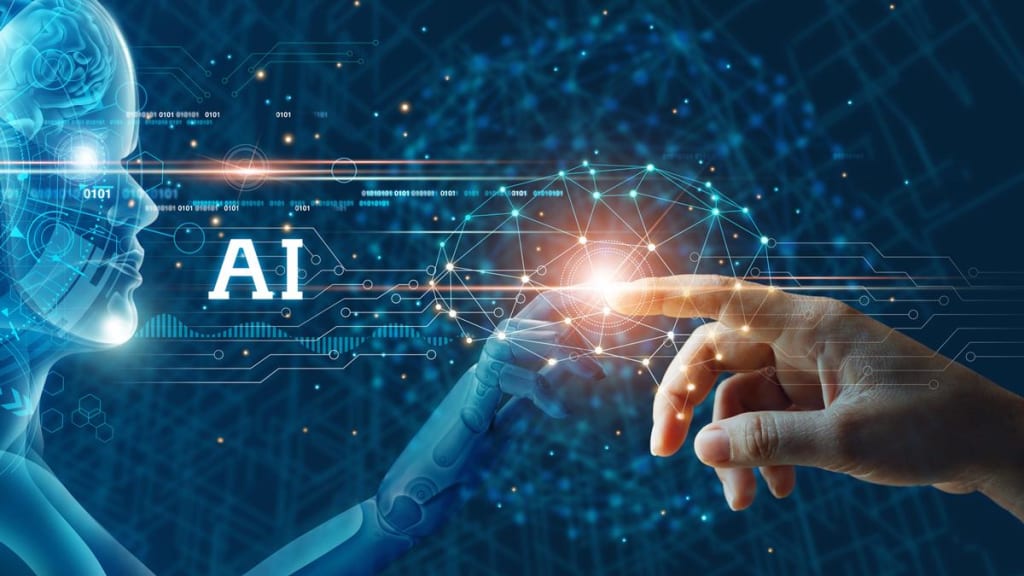
Can Technology or AI Be Harmful to Human Nature?
Within the last few decades, the sudden growth of technology and Artificial Intelligence has brought tremendous changes in almost all aspects of human life, from medical treatments and communication to entertainment and transport. However, with time, as these technologies are integrated into our daily life routine, many questions have arisen as to the potential risks these new technologies pose to human nature. Can technology or AI be harmful to our psychological, emotional, and social well-being? In trying to answer this question, we have to consider both the positive and negative ways technology can affect humanity and how it shapes our nature in profound ways.
One of the most prominent concerns regarding technology, particularly social media and digital communication, is its potential to erode authentic human connection. Face-to-face interaction was central to social life in the past, while people nowadays spend a lot of time with their noses buried in screens interacting in superficial ways. It is with texting, social media, and virtual platforms that the feeling of being connected often results from these means of shallow relationships. Such a turn toward virtual interaction may come with heightened loneliness and feelings of isolation amid an extended digital network.
Studies have shown that people are less satisfied with their lives when they spend a lot of time on social media, where the curated lives of others often lead to feelings of inadequacy or jealousy. Social comparison, fueled by algorithm-driven content that emphasizes idealized images and lifestyles, can diminish self-esteem and contribute to anxiety and depression. As technology becomes more ingrained in our social fabric, human nature itself—our need for genuine, in-person connection—may be compromised.
Another argument against technology and AI is that they create dependency, especially when it comes to AI systems executing tasks previously controlled by humans. People are used to virtual assistants, AI-powered recommendations, and automation to make life easier in everyday life. While this does indeed make life more efficient, it can also weaken our cognitive abilities and critical thinking. For example, the more people rely on Google or AI for quick answers, the less there is a need to remember facts, solve problems on their own, or learn deeply.
Furthermore, the ease of AI and technology could make us lazy to the point where we want everything in an instant without putting much effort into it. This addiction to technology will work against the development of patience, persistence, and self-sufficiency in humans. Humans may eventually become so dependent on technology that it will ultimately break down our cognitive capabilities and emotional strength.
Empathy, the capability to understand and share the feelings of another, is at the heart of human nature. But with the rise in AI, this may take a hit. As more advanced AI systems are made, we may start expecting them to provide emotional support, such as AI-powered applications for mental health or companionship. While these technologies are designed to simulate empathy, they cannot truly replicate the complex emotional experiences and connections that arise between humans. This could lead to a diminished ability to engage in deep, meaningful human relationships.
Moreover, the automation of jobs with the help of AI will indirectly affect human empathy. For instance, in fields related to health, education, or customer service, a human employee provides emotional care and empathy. Replacing them with AI may eventually lead to a loss of that very vital ingredient of empathy in those sectors, as machines could not respond with the nuance and understanding a human counterpart would offer.
AI also brings with it a lot of serious ethical challenges to human nature. The more advanced the development of AI, the more urgent the problems of privacy, surveillance, and decision-making. Applications of AI in surveillance systems, for instance, have raised debates on individual freedom and personal privacy. Governments and corporations may collect vast data on the people, which can further lead to abuses of power or even discrimination. These systems may make decisions based on data patterns without considering the peculiarities of individual situations, which affects personal autonomy and fairness.
Equally challenging is the ethical use of AI in warfare, criminal justice, and healthcare. AI algorithms making life-altering decisions-such as those on sentencing, military strikes, or medical diagnostics-could inadvertently reinforce bias and inequality. These systems might prioritize efficiency over compassion, leading to outcomes that disregard the human values of fairness, justice, and kindness.
While AI has the potential to improve human life in many ways, it is essential to consider whether AI can truly emulate the entire range of human emotions, values, and instincts. Human nature is not just about intelligence, but about love, empathy, compassion, and creativity—traits that arise from complex biological, emotional, and social processes. AI, no matter how advanced, lacks the emotional depth that defines human experience. The moment we allow AI to make decisions or handle tasks that require emotional intelligence, we risk undermining the very qualities that make us human.
Furthermore, there is a risk that AI will become so integrated into our lives that it will inadvertently shape our desires, preferences, and even our ethical values. If we rely too much on algorithms to tell us what we want or need, we risk losing touch with our hardwired human instincts and desires. AI may foster conformity and the pursuit of superficial goals, such as wealth, status, or convenience, at the expense of more profound, human-centered goals like personal growth, connection, and purpose.
Technology and AI are not intrinsically injurious to human nature, but the effects will depend on the use we make of them. Though they bring opportunities for unparalleled growth, innovation, and convenience, they equally pose a risk to our mental, emotional, and social well-being. The key challenge, therefore, is how to balance the embracement of the fruits of technology while protecting the salient features of human nature that make us human-our empathetic tendencies, our creativity, and the ability to connect with other human beings.
As we move into the future with AI playing a more central role in our lives, it is important to remember the possible repercussions. Rather than allowing technology to replace or diminish human nature, we must ensure that it serves as a tool that enhances our ability to be more human, not less.
About the Creator
Keep reading
More stories from Attaullah Naseri and writers in Education and other communities.
what happens if there were no war?
Think of a world without war — a world in which tussles among nations, ideologies, and groups never escalate into violence. Undeniably, the lack of war would completely revolutionize the global aspect in deep ways: it would shape economies, societies, and international relations.
By Attaullah Naseriabout a year ago in 01
China Online Education Market Analysis Industry Overview, Key Players & Future Outlook
According to IMARC Group's latest research publication, the China online education market size reached USD 14,585.92 Million in 2024. The market is projected to reach USD 105,126.83 Million by 2033, exhibiting a growth rate (CAGR) of 24.54% during 2025-2033.
By Neeraj kumar4 days ago in Education
The Evolution of Cyber Threats: Account Hacking Techniques in 2026 and How to Fortify Your Digital Defenses
The Ever-Changing Landscape of Digital Security As we progress through 2026, the sophistication of account hacking techniques has evolved dramatically, presenting unprecedented challenges to individuals and organizations worldwide. This article examines the cutting-edge methods employed by contemporary threat actors and provides actionable, forward-looking strategies to protect your digital identity. Understanding these threats is no longer optional—it's essential for anyone navigating our interconnected digital ecosystem.
By Alexander Hoffmann2 days ago in Education



Comments
There are no comments for this story
Be the first to respond and start the conversation.