
Can I Master Hebrew with Just 10 Minutes a Day?
Exploring the effectiveness of micro-learning with Drops and the journey to fluency

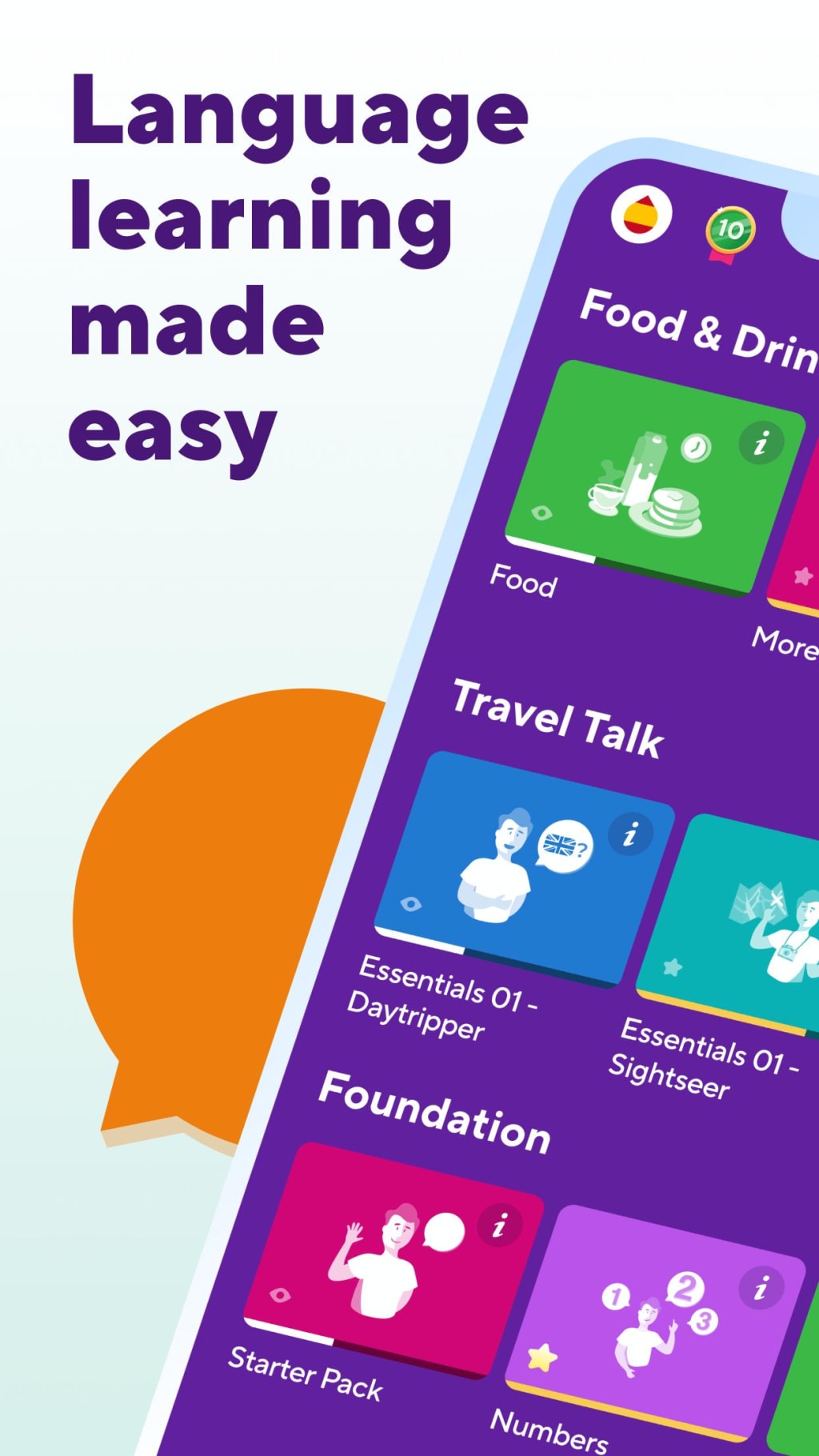
Learning a new language is an exciting yet challenging process. I'm currently learning Hebrew, using textbooks and the Drops app, which focuses on short, engaging vocabulary lessons. With over 100 days of study (split between two streaks), I'm making solid progress. But key questions remain:
Is 10 minutes a day really enough?
Should I invest in the full Drops subscription?
How do I know if I’m actually making progress?
When should I start watching movies in Hebrew?
How can I learn to read the Hebrew Bible, Talmud, and ancient scripts?
Here’s what I’ve been thinking as I figure out my next steps.
---
Is 10 Minutes a Day Enough?
The short answer: not by itself, but it’s a great start.
Studies on language learning suggest that consistent exposure is more effective than cramming. However, Hebrew has unique challenges:
-A different alphabet
-Root-based word structure
-Verb conjugation complexity
The Foreign Service Institute (FSI) estimates that Hebrew requires 600-750 hours for fluency. At 10 minutes a day, that’s only about 60 hours per year, meaning I could be looking at 10+ years to become fluent with this method alone.
That said, Drops is valuable for vocabulary acquisition, and pairing it with speaking practice, grammar study, and listening exercises will accelerate my progress.
---
Should I Get the Full Subscription?
I’ve been using the free version of Drops, which limits me to 5 minutes a day. The full subscription would let me study longer, but is it worth the cost?
Before upgrading, I’m asking myself:
🔹 Am I already using it daily? Yes, but only for 5 minutes.
🔹 Would I study more if I could? Maybe—but I could also just combine it with free resources.
🔹 Does it teach grammar? Not really. Drops focuses on vocabulary, which is great, but I’d still need to learn sentence structure elsewhere.
Instead of upgrading right away, I’m going to test out other free tools like Duolingo, Anki (for flashcards), and HebrewPod101 to see if they fill in the gaps. If I still feel limited, then maybe the full subscription will be worth it.
---
How Do I Know I’m Making Progress?
It’s easy to track my streak in the app, but how do I really know I’m learning? I think real progress means:
✅ Recognizing words in context – If I start spotting words from Drops in Hebrew texts, menus, or social media, that’s a win!
✅ Forming simple sentences – Even if they’re not perfect, being able to put words together on my own would show real growth.
✅ Understanding spoken Hebrew – If I can catch words in songs, videos, or conversations, that’s a sign my brain is adjusting.
To test myself, I might try writing short sentences in Hebrew every week and see how much I improve over time.
---
Should I Start Watching Movies in Hebrew?
I love the idea of watching Hebrew movies, but I don’t want to overwhelm myself. So here’s my plan:
1️⃣ Start with subtitles – I’ll watch Hebrew shows with English subtitles first, just to get a feel for the sounds and rhythm.
2️⃣ Try Hebrew subtitles – Once I’m comfortable recognizing words, I’ll switch to Hebrew subtitles to reinforce reading.
3️⃣ Go full immersion – Eventually, I’ll challenge myself to watch without subtitles.
By next month, I think I’ll be ready to start watching basic Hebrew shows with subtitles. I won’t understand everything, but that’s okay—it’s about exposure!
---
How Can I Learn to Read the Hebrew Bible, Talmud, and Ancient Texts?
Modern Hebrew is different from Biblical Hebrew and Rabbinic Hebrew (Talmudic Hebrew). While my current studies help with general fluency, I’ll need to go deeper to understand classical texts.
Here’s my plan for tackling this challenge:
📖 Step 1: Strengthen Modern Hebrew
I want to be comfortable reading modern texts first. Apps like Sefaria offer free Hebrew texts with translations, which is a great resource to get used to reading scriptural Hebrew in context.
📖 Step 2: Learn Biblical Hebrew Grammar
Biblical Hebrew has different verb structures, vocabulary, and sentence constructions than Modern Hebrew. I’ll look into textbooks like:
-The First Hebrew Primer (good for beginners)
-Basics of Biblical Hebrew by Gary Pratico & Miles Van Pelt
📖 Step 3: Read with Parallel Translations
To avoid getting lost, I’ll start by reading the Torah (Pentateuch) in Hebrew with an English translation side by side. Sefaria is a great free resource for this.
📖 Step 4: Start the Talmud Slowly
The Talmud is in Aramaic and Hebrew, so it’s a different challenge. I’ll start with simple commentaries and explanations before attempting full Talmudic text. The Steinsaltz or Artscroll editions of the Talmud have helpful translations and notes.
📖 Step 5: Practice Reading Without Translating
The goal is to read Hebrew without mentally translating it into English. This will take time, but by practicing daily, I hope to reach a point where I can recognize words and understand structure naturally.
Click HERE to try the Drops language learning app.
---
Final Thoughts.
Right now, 10 minutes a day is keeping me consistent, and that’s the most important thing. But if I really want to speak, listen, and understand Hebrew fluently, I know I need to push myself beyond Drops.
So, here’s my plan moving forward:
✅ Keep using Drops daily, but add more speaking practice.
✅ Use Duolingo and Anki to reinforce grammar and sentences.
✅ Test myself by writing in Hebrew and recognizing words in real life.
✅ Start watching Hebrew shows with subtitles next month.
✅ Begin Biblical Hebrew study alongside Modern Hebrew to work toward reading the Hebrew Bible and Talmud.
If I stay consistent, I know I’ll see progress. Who knows—maybe in a few months, I’ll be able to read a full passage from the Torah without needing a translation!
Stay Connected.
If you enjoyed this content and want to explore more insights like this, consider subscribing to my page. Your support helps me continue creating meaningful content. If you feel led to, you can also leave a tip as a token of appreciation. Thank you for being part of this journey!
About the Creator
Cathy (Christine Acheini) Ben-Ameh.
https://linktr.ee/cathybenameh
Passionate blogger sharing insights on lifestyle, music and personal growth.
⭐Shortlisted on The Creative Future Writers Awards 2025.
Keep reading
More stories from Cathy (Christine Acheini) Ben-Ameh. and writers in Education and other communities.
Skool: A Simple Way to Share What You Love and Help Others Grow.
I have to tell you something that surprised me. I found a place online where you can teach people things you already know, even if you think your skill is small or ordinary. It is called Skool and it is so simple that it almost feels strange. I kept thinking, "why is this so easy?Why did no one tell me about this sooner?" It is like finding a small door that leads to a bright room you did not expect.
By Cathy (Christine Acheini) Ben-Ameh.2 months ago in Education
Top 7 Life Changing Books to Read in 2026
In 2026, readers are not just looking for entertainment—they want books that change the way they think, feel, and see the world. With endless content available online, only a few books continue to stand out, remain widely read, and influence conversations across generations. These are the books people keep recommending, searching for, and returning to year after year.
By Waqar Khanabout 16 hours ago in Education
The Hidden Importance of Design Hierarchy: How Layout Guides Attention and Improves Readability
Design Hierarchy Is the Foundation of a Clear, Effective Website Design hierarchy is one of the most influential principles in web design — yet it’s often overlooked by users because a strong hierarchy feels seamless and natural. Hierarchy determines what people notice first, how they scan a page, and what they choose to engage with. When done correctly, it guides attention effortlessly, improves readability, and makes websites feel intuitive.
By Power Marketing Internationalabout 3 hours ago in Education



Comments
There are no comments for this story
Be the first to respond and start the conversation.