
Can AI Humanizers Completely Replace Human Writers?
Exploring the potential of AI humanizers in content creation: Can these tools replace human writers, or will they serve as valuable collaborators enhancing creativity, emotional depth, and efficiency in writing?

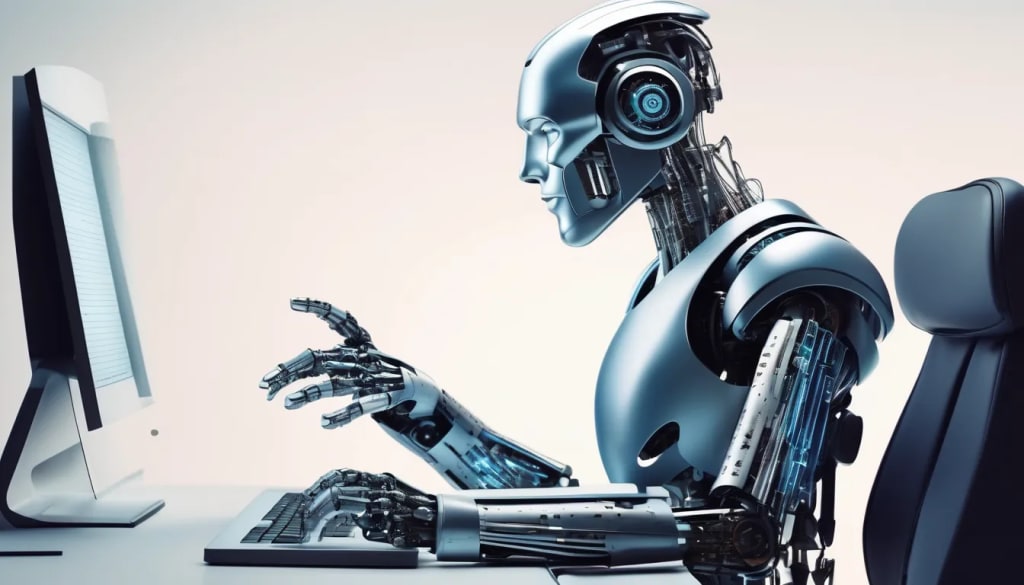
In recent years, AI technologies have been evolving at an astonishing rate, with many innovations aiming to enhance productivity in various fields. One such innovation is AI humanizers, which are designed to improve the readability and natural flow of text generated by machines. These AI tools can create content that mimics human writing styles, making it increasingly difficult to distinguish between machine-generated and human-generated text. However, as AI continues to improve, an important question arises: Can AI humanizers completely replace human writers?
In this article, we will explore the capabilities and limitations of AI humanizers, how they work, and whether they can truly replace the creativity, emotional depth, and expertise of human writers.
Understanding AI Humanizers
AI humanizers are tools that use advanced machine learning models, such as GPT-3 and GPT-4, to take raw, automated text and enhance it to resemble more natural, human-like language. The goal of these AI tools is to improve the readability of the content, making it sound less robotic and more engaging to readers.
These AI systems analyze large datasets to understand the structure of human-written content, including tone, sentence variation, and emotional cues. They can then apply these insights to generate text that seems more personal, authentic, and less mechanical.
The Best Humanize AI Text Tools
When searching for the best humanize AI text tools, there are several options available in the market. Some AI humanizers focus on improving grammar and sentence structure, while others are designed to add nuances such as humor, empathy, and emotional depth to the writing. Many of these tools also offer style customization, allowing users to adapt the tone and voice of the generated text based on their specific needs.
While AI humanizers offer an excellent solution for basic content creation, there is still ongoing debate over whether these tools can truly match the creative depth of human writers.
Can AI Humanizers Replace Human Writers?
The Strengths of AI Humanizers
AI-powered humanizers have proven to be effective in various applications, including content creation, email generation, and even copywriting. These tools can produce articles, blogs, and social media posts quickly, which can be a huge advantage for businesses and individuals looking to create content in a time-efficient manner.
Speed and Efficiency: AI humanizers can generate large volumes of content in a fraction of the time it would take a human writer. This is particularly useful for industries that require frequent content production, such as digital marketing, e-commerce, and news media.
Cost-Effectiveness: In many cases, using AI humanizers can reduce the cost of content creation, as businesses do not need to hire as many human writers for repetitive tasks. This can help streamline operations and allocate resources to other areas of the business.
Consistency: AI tools can maintain a consistent writing style and tone across multiple pieces of content. This consistency is especially useful for brands that want to ensure their messaging remains uniform across all their marketing materials.
The Limitations of AI Humanizers
While AI humanizers have their strengths, there are several limitations that prevent them from fully replacing human writers:
Lack of Creativity: One of the key drawbacks of AI humanizers is their inability to generate truly creative content. While these tools can mimic human language and style, they still lack the unique creativity and innovation that human writers bring to the table. Human writers can draw on personal experiences, cultural references, and emotional intelligence, which AI is not yet capable of replicating to the same degree.
Emotional Depth and Empathy: Writing that resonates with readers often involves a deep understanding of human emotions, experiences, and context. AI humanizers may be able to mimic some elements of emotional tone, but they cannot fully comprehend the complexities of human emotion or convey the nuances that make writing truly impactful.
Contextual Understanding: AI may struggle with certain nuances and cultural references that human writers are inherently aware of. For example, humor, idiomatic expressions, and the subtleties of a specific industry or niche may not always translate accurately in AI-generated content.
Ethical and Trust Issues: Many AI-generated texts may lack the ethical considerations that a human writer can bring to the table. For instance, AI tools might unintentionally produce biased content or fail to appropriately handle sensitive topics. Human writers, on the other hand, can apply ethical reasoning and provide context that ensures content aligns with societal values.
Human Writers vs. AI: What’s the Real Difference?
While AI humanizers can be impressive in certain aspects, they are still far from perfect. Human writers possess a unique set of skills that AI cannot replicate, particularly when it comes to understanding complex emotional dynamics, cultural sensitivity, and creative originality.
Personalization: A human writer can tailor content to specific readers or target audiences based on a deep understanding of their needs, wants, and preferences. This personalization creates a stronger connection with the audience and fosters loyalty.
Cultural Sensitivity: Writers are more adept at understanding cultural nuances and sensitivities, which is especially important in a globalized world. AI, however, may not always recognize these subtleties and could inadvertently offend or misrepresent certain groups.
Authenticity: Authenticity is a crucial aspect of writing that resonates with audiences. Human writers often share personal insights, experiences, and emotions that make their work feel more genuine and relatable. AI-generated content, on the other hand, can sometimes feel impersonal or detached, which may result in a lack of engagement from readers.
The Future of AI and Human Writers: Collaboration or Replacement?
While AI humanizers are unlikely to completely replace human writers in the foreseeable future, they can be used as powerful tools to enhance the content creation process. The future may lie in collaboration between AI and human writers, where AI handles time-consuming tasks like content generation and basic editing, while human writers focus on creativity, strategy, and emotional depth.
This collaboration could lead to a new era of content creation, where writers can leverage AI to streamline their work and improve efficiency, while still maintaining the personal touch and authenticity that only humans can provide.
Conclusion
In conclusion, AI humanizers are a valuable tool for enhancing and speeding up content creation, but they cannot fully replace the unique qualities of human writers. The best humanize AI text tools can improve the technical aspects of writing, such as grammar and readability, but they fall short in areas like creativity, emotional depth, and authenticity. Instead of replacing human writers, AI humanizers are more likely to serve as supportive tools, enabling writers to work more efficiently while focusing on the aspects of writing that require a human touch.
Ultimately, AI and human writers can work together to produce high-quality content that combines the best of both worlds: the efficiency and scalability of AI with the creativity and emotional intelligence of human writers.
About the Creator
Michael Jones
I'm Michael Jones, a tech enthusiast and AI advocate with a passion for exploring the latest advancements in artificial intelligence and machine learning.
Keep reading
More stories from Michael Jones and writers in Education and other communities.
How AI Crafts a Career Narrative Beyond Bullet Points
In today’s competitive job market, standing out requires more than a list of skills and accomplishments. Traditional resumes, often constrained by bullet points and brief descriptions, are giving way to dynamic narratives that capture the essence of an individual’s professional journey. Artificial Intelligence (AI) is at the forefront of this evolution, reshaping the way we present our careers and making our professional stories more engaging, comprehensive, and uniquely tailored.
By Michael Jones11 months ago in Education



Comments
There are no comments for this story
Be the first to respond and start the conversation.