
Building Bridges for Nature: How Cities Can Champion Wildlife Connectivity
Creating Greener Pathways for Coexistence Between Urban Development and the Natural World

In the race toward modernization, cities often expand at the expense of natural landscapes. Skyscrapers replace trees, highways cut through forests, and wildlife habitats shrink with every new development. Yet, urbanization and nature do not have to exist in opposition. Through intentional design and planning, cities can foster wildlife corridors—continuous routes that allow animals to move safely across fragmented habitats. These corridors reconnect nature’s broken pathways, helping species thrive even in heavily urbanized regions. When planners prioritize ecological connectivity, cities can evolve into spaces where human progress and environmental preservation coexist in harmony.
The Need for Reconnecting Urban Ecosystems
Urban expansion often comes with a high ecological cost. Roads, fences, and buildings divide natural habitats, isolating animal populations from one another. This fragmentation disrupts migration patterns, limits breeding opportunities, and reduces genetic diversity. Over time, such isolation can make species more vulnerable to disease and extinction. Wildlife corridors directly address this issue by creating safe passageways that restore the natural flow between ecosystems. They enable animals to travel between feeding, nesting, and breeding areas without encountering human-related dangers.
Beyond their biological benefits, wildlife corridors serve a crucial environmental role for cities. They help regulate air quality, manage stormwater, and mitigate the heat-island effect common in dense urban areas. A city that preserves natural connectivity also supports pollination, pest control, and other ecosystem services essential for sustainable living. Therefore, reestablishing wildlife corridors is not just about protecting animals; it is an investment in the long-term health and resilience of urban communities.
Incorporating Nature into Urban Planning
Integrating wildlife corridors into urban design requires a shift in perspective. Instead of viewing nature as an obstacle to development, planners must see it as an essential part of city infrastructure. By studying local topography and species behavior, urban designers can identify the natural routes animals are most likely to take. Once these pathways are mapped, they can be enhanced through vegetation, underpasses, and elevated green bridges. These design features allow animals to cross busy roads and railways safely, reducing collisions and preserving natural movement patterns.
Cities that embrace ecological design gain far more than biodiversity benefits. Incorporating natural elements—such as connected parks, riverbanks, and green rooftops—creates a more livable environment for residents. Trees filter air pollutants, reduce noise, and offer shade, while waterways cool neighborhoods and provide serene public spaces. As people spend more time in nature-rich surroundings, their physical and mental health improves. In this way, designing with ecology in mind not only protects wildlife but also enhances the overall quality of urban life.
Collaborative Approaches to Urban Ecology
Creating and maintaining wildlife corridors requires collaboration among experts, government bodies, and the public. Urban planners, architects, and engineers must work closely with ecologists who understand the habitat requirements of local species. Ecologists can identify which plants attract native pollinators, which routes animals prefer, and how human activity might disrupt their patterns. When scientific insight guides design, urban projects can balance development with ecological sustainability.
Community engagement also plays a vital role in this process. Residents often possess firsthand knowledge of local wildlife activity—where particular birds nest, which roads animals cross, or where green spaces are under threat. When city dwellers participate in planning and maintenance, they develop a stronger sense of environmental responsibility. Public involvement transforms conservation from a distant policy goal into a community-driven mission. This collaboration between experts and citizens ensures that wildlife corridors remain functional, respected, and well-maintained for generations to come.
Policy and Legal Frameworks for Biodiversity
Urban biodiversity cannot thrive on design alone—it requires strong policy support. Governments must establish clear guidelines that prioritize ecological integrity in urban expansion. Zoning regulations, for instance, can reserve green belts and limit development in areas critical for wildlife movement. Similarly, environmental impact assessments should be mandatory before construction begins, ensuring that projects do not sever key ecological connections. Cities that embed biodiversity in their master plans position themselves as leaders in sustainable development.
In addition to regulation, incentives can encourage developers and private landowners to participate in conservation. Tax benefits, grants, and certification programs can reward those who integrate wildlife corridors into their projects. When sustainable design becomes economically beneficial, participation across sectors increases. A well-enforced legal and financial framework helps ensure that wildlife corridors are not isolated experiments but integral parts of urban development policy.
The Cultural and Social Value of Green Connectivity
Wildlife corridors offer more than environmental benefits—they also enrich a city’s cultural and social fabric. Green spaces that double as wildlife corridors provide residents with opportunities to observe nature firsthand. Children learn about local species not from textbooks but from direct encounters in parks and along walking trails. This exposure fosters curiosity, compassion, and a lifelong commitment to environmental stewardship. When urban design encourages such experiences, it nurtures a more informed and eco-conscious generation.
Moreover, these green networks strengthen community bonds. Shared spaces become gathering points for recreation, relaxation, and education. Residents take pride in protecting local flora and fauna, creating a collective identity centered around sustainability. Cities that embrace wildlife corridors often report increased tourism as visitors seek out urban nature experiences. Thus, wildlife connectivity contributes not only to environmental restoration but also to cultural vibrancy and social cohesion.
As climate change intensifies and urban populations swell, the need for sustainable coexistence becomes more urgent than ever. Cities must evolve into adaptive systems that prioritize ecological continuity. By viewing wildlife corridors as essential infrastructure—on par with roads, bridges, and utilities—urban planners can reshape how we think about progress. Every connected park, restored riverbank, and tree-lined avenue becomes part of a larger ecological web that sustains life within and beyond the city limits.
About the Creator
Adam Gebb
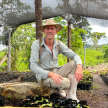
Adam Gebb is a conservation leader working with Indigenous communities in Ecuador to protect wildlife corridors between the Andes and the Amazon. With his experience, he combines traditional knowledge and modern conservation practices.
Scaling a Business by Doing Less, Not More
Many business owners believe growth comes from adding more. More services, more markets, more tools, and more staff. While this sounds logical, it often leads to confusion and burnout. Scaling a business becomes easier and more sustainable when leaders choose to do less, but do it better.
By Darrell Hulseyabout 4 hours ago in Education
How Regulatory Rules Are Reshaping the Complexity of Modern Lending Facilities
Lending facilities are a core component of the financial system, enabling banks and financial institutions to provide liquidity, manage credit flow, and support economic stability. In today’s highly regulated financial environment, regulatory compliance, financial regulations, and lending rules have become central to how these facilities function. As oversight increases, lenders must navigate a growing web of requirements that directly affect the structure, speed, and accessibility of lending facilities.
By Eric Kleinerabout 8 hours ago in Education


Comments